A Russian manicure is having a moment — scroll any nail feed and you will see impossibly clean cuticles, polish that seems to start underneath the skin, and grow-out that stays invisible for weeks. But what is a Russian manicure, exactly, and how is it different from the manicure you have been getting for years? This guide explains how the technique works, what sets it apart from regular, Japanese, and American manicures, its genuine pros and cons, who should skip it, and how to care for your nails afterward — in plain language, with sourcing where it matters.
Whether you are thinking of booking one or simply curious about the hype, here is everything worth knowing — the technique, the trade-offs, and the questions to ask before you sit in the chair.
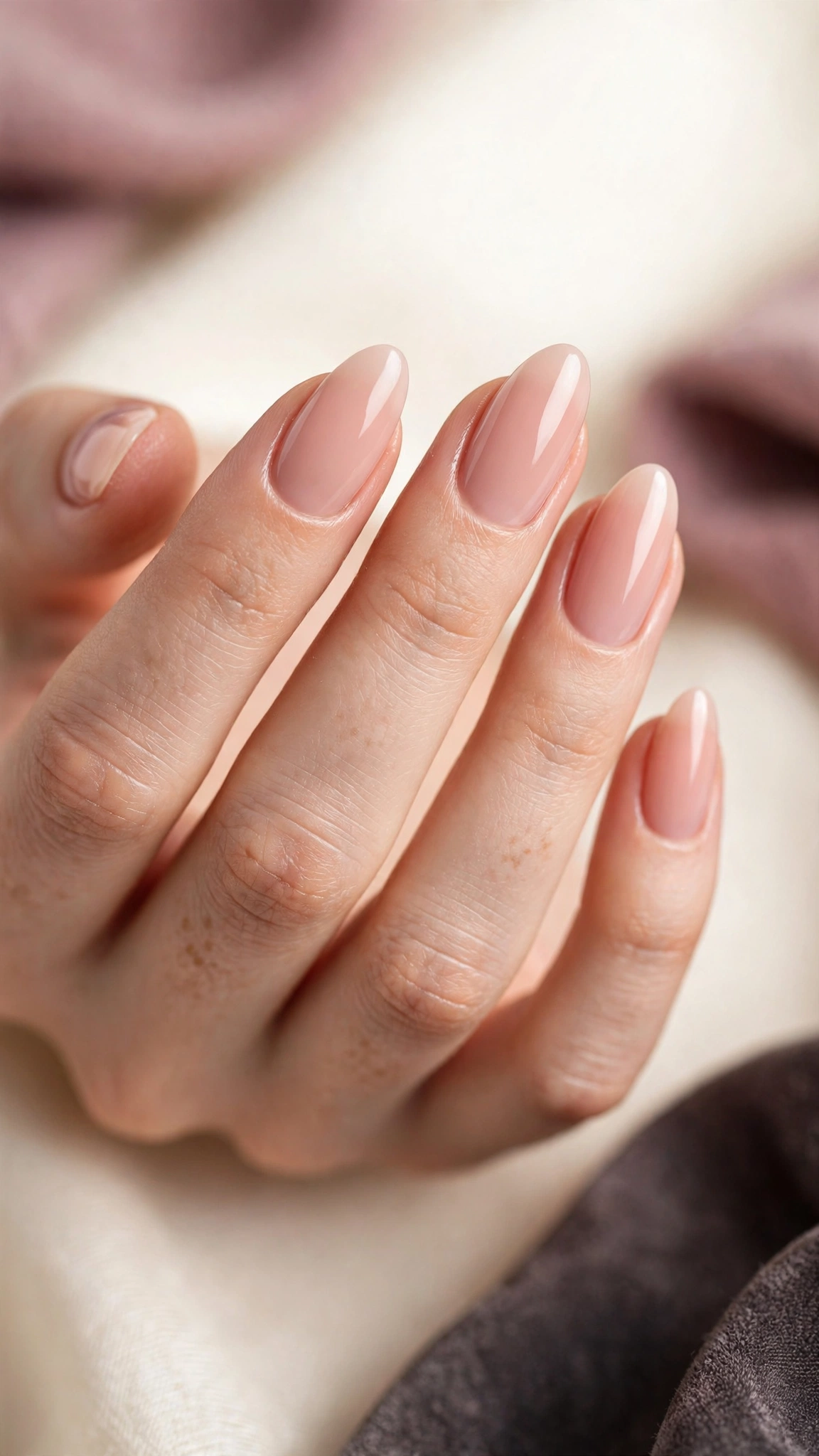
What Is a Russian Manicure?
A Russian manicure is a dry manicure technique that originated in Russia and spread through Eastern Europe before reaching salons worldwide. Instead of soaking nails in water, the technician uses an electric file (e-file) fitted with fine diamond bits to gently exfoliate the cuticle area, lift dead tissue, and create an exceptionally clean nail bed.
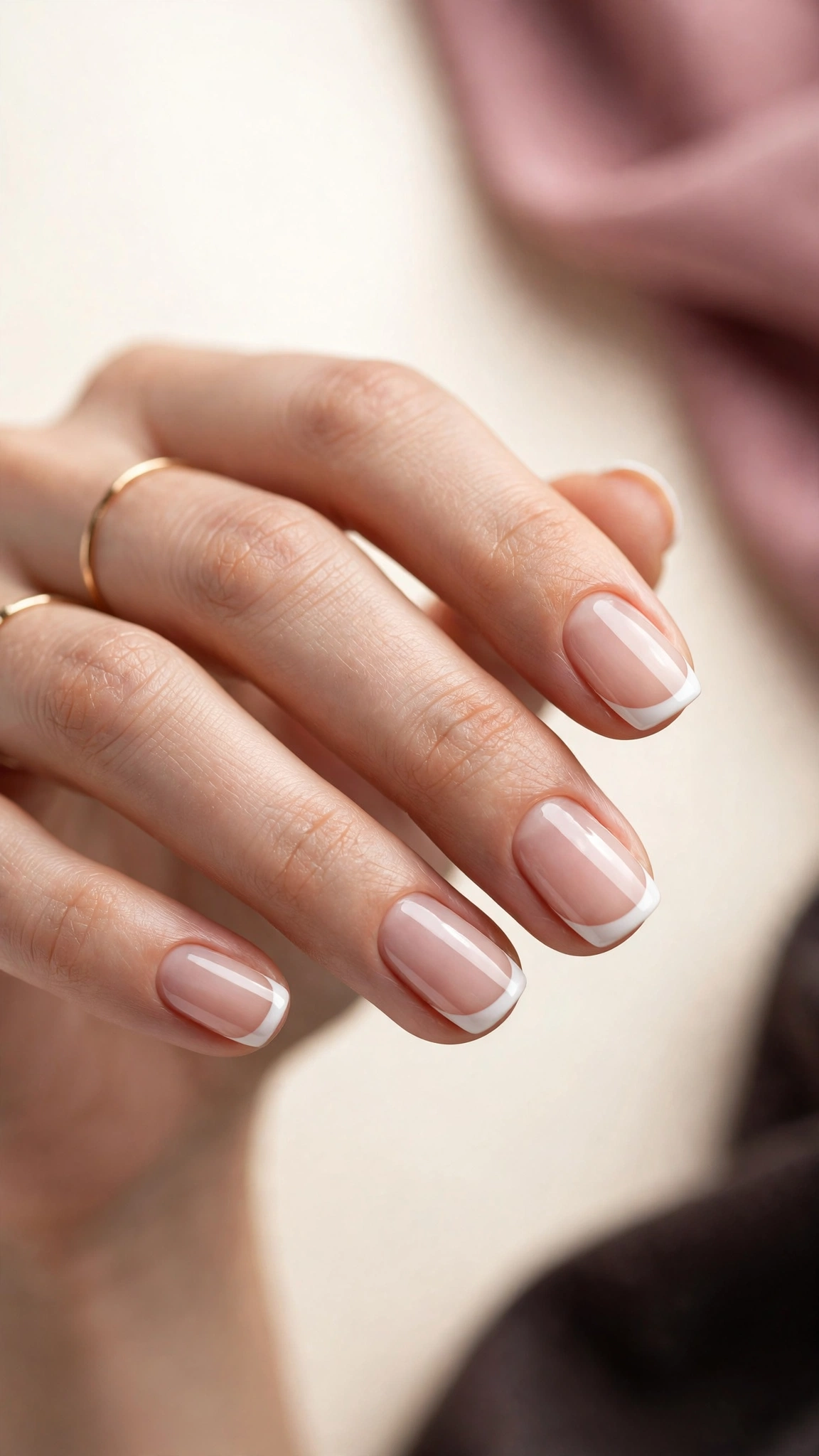
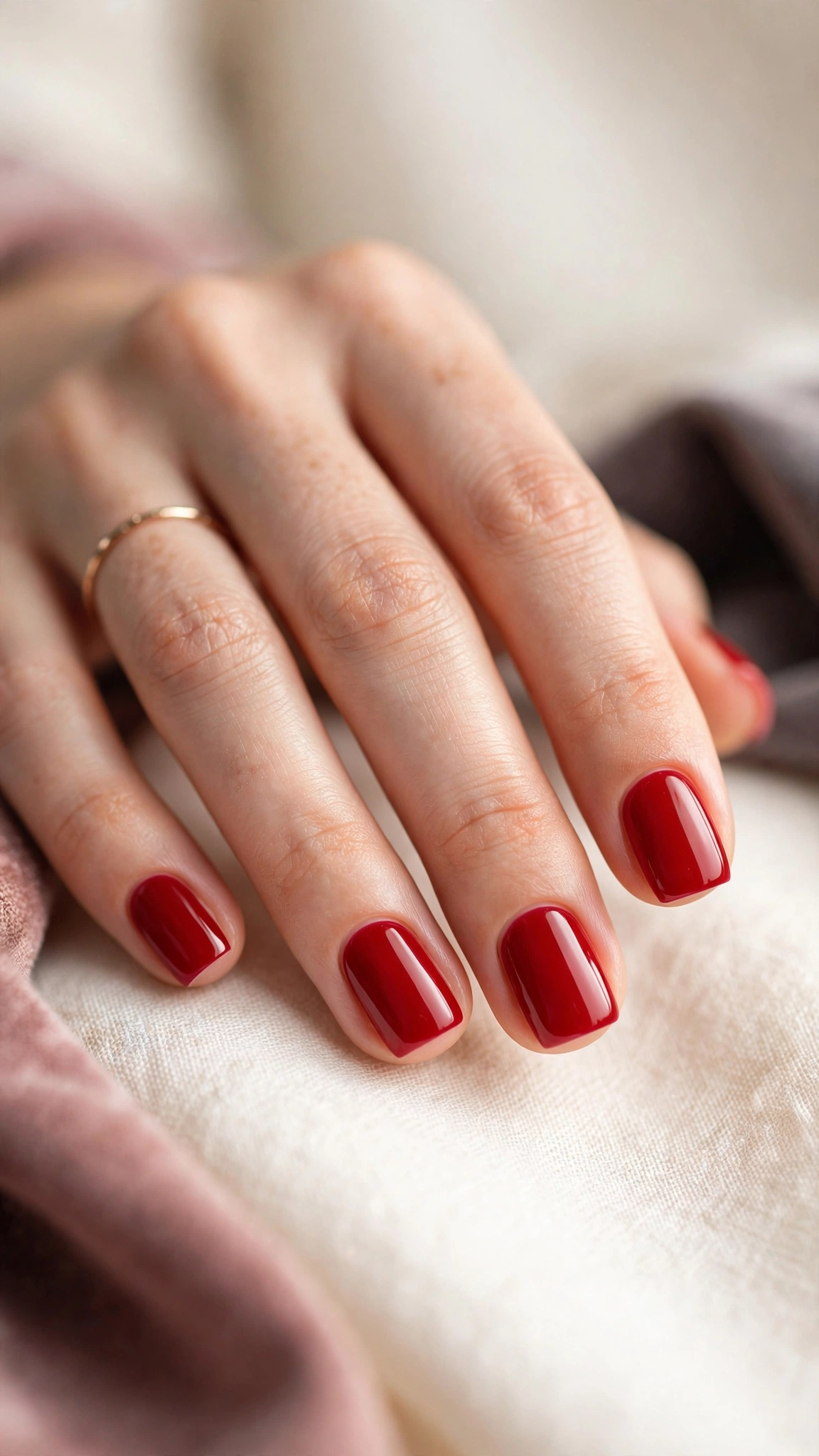
The signature of a Russian manicure is how close the polish sits to the cuticle. Because the cuticle area is so thoroughly prepped, color can be applied right up to — and slightly under — the cuticle edge. The result is a seamless look with no visible gap, which is why it grows out more gracefully than a standard manicure.
According to beauty editors who cover salon trends, the technique’s popularity comes down to longevity and precision: when the nail bed is this clean, gel polish adheres better, and the manicure can last three to four weeks with minimal visible regrowth.
How a Russian Manicure Is Done: Step by Step
The appointment takes longer than a regular one — typically 60 to 90 minutes — because the prep work is the entire point. According to nail professionals describing the technique, the appointment generally runs as follows:
- Dry assessment. Nails are examined and shaped while completely dry — no soaking. Water can swell the nail plate, and according to some nail professionals, that swelling compromises how well gel adheres afterward.
- Cuticle lifting. A fine diamond e-file bit, run at low speed, is used to lift the cuticle and exfoliate dead skin around the nail fold. The bit stays in motion; it never sits in one spot.
- Dead tissue removal. The lifted, non-living tissue is carefully nipped away. Living cuticle is left intact — this distinction is the whole skill of a Russian manicure.
- Nail plate prep. The nail surface is lightly buffed and dehydrated so product grips properly.
- Precise polish application. Gel color goes on in thin layers, placed right to the cuticle edge, then cured under a lamp.
- Finishing. Cuticle oil is massaged in, and the nails are checked under light for a flawless edge.
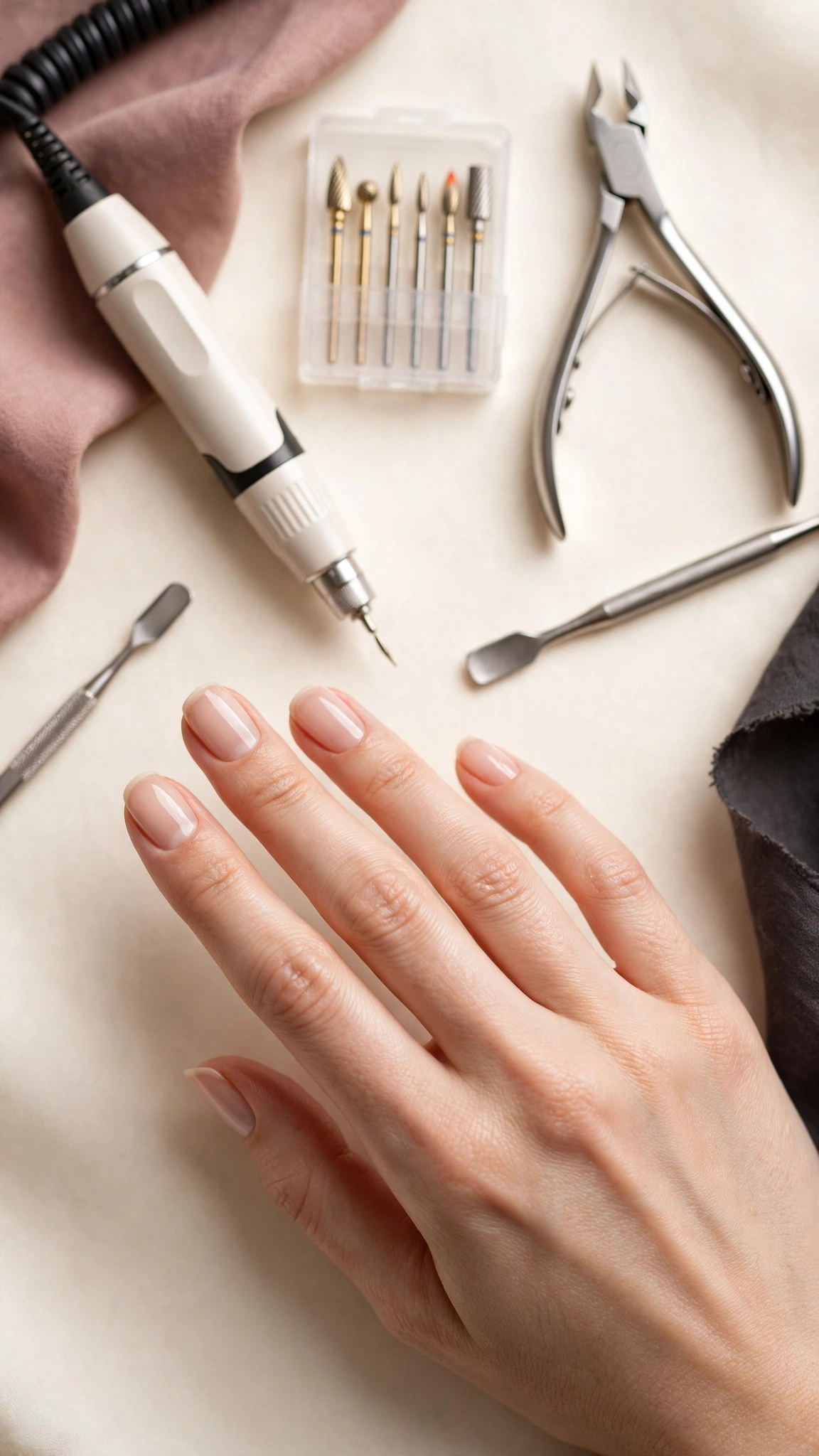
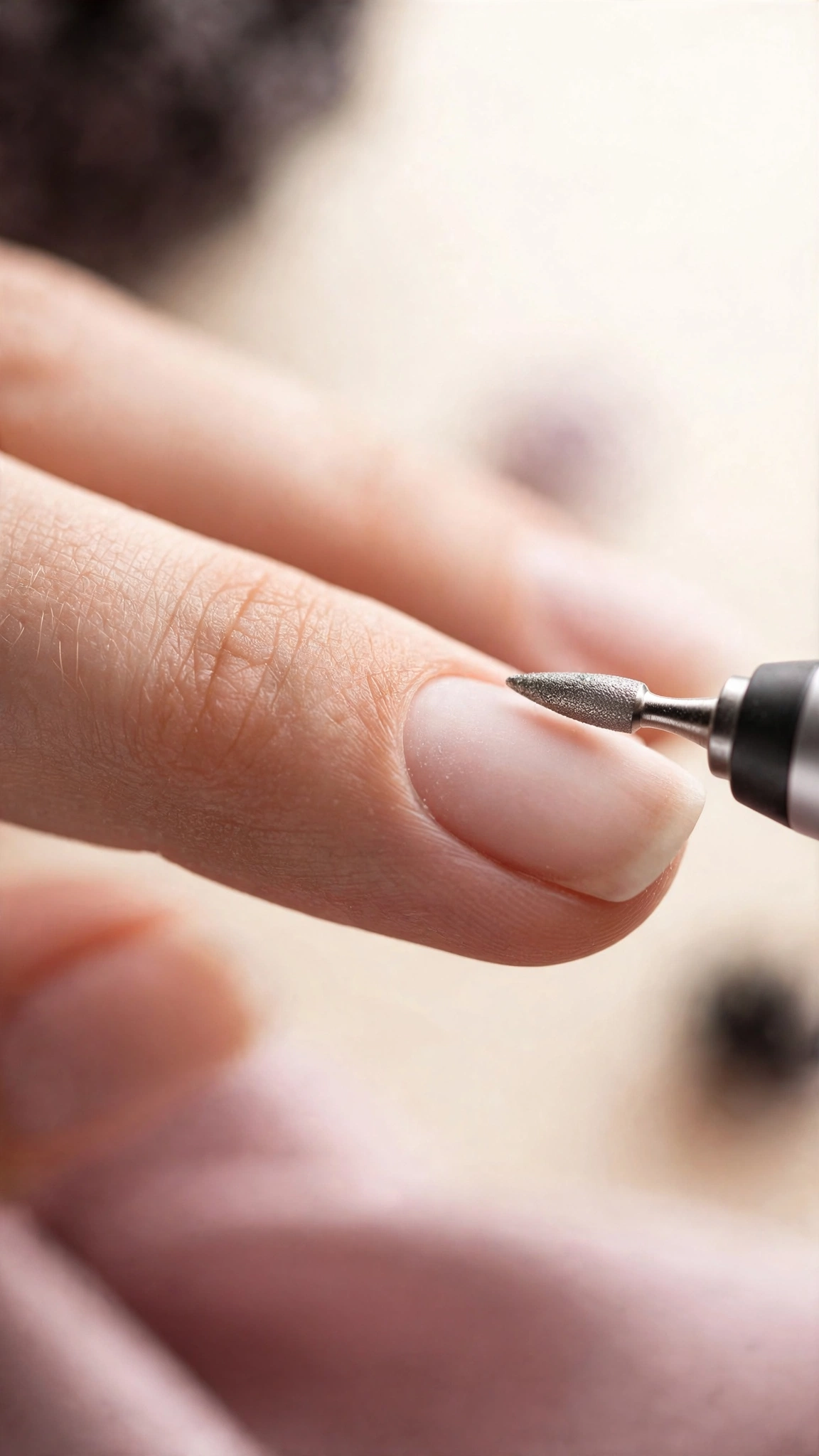
The e-file is what makes it different — and what makes the technician’s skill level matter so much. An experienced hand keeps the bit moving and the pressure light; a heavy hand is where problems start, which is why the cons section below deserves your full attention.
Russian Manicure vs a Regular Manicure
A regular (classic) manicure usually starts with a warm water soak to soften the cuticle, which is then pushed back and tidied with nippers. Polish is applied with a small visible margin at the cuticle. It is quicker — around 30 to 45 minutes — gentler, and available at virtually every salon.
A Russian manicure skips the soak entirely and replaces it with e-file prep, producing a cleaner cuticle line and letting polish sit closer to the skin. The trade-off is time, cost, and the need for a specifically trained technician — this is not a treatment to book with whoever happens to be free.
If you want your polish to look fresh for as long as possible and do not mind paying more, a Russian manicure wins on longevity. If you prefer a quick, low-intervention tidy-up, the classic manicure remains the simpler, safer choice.
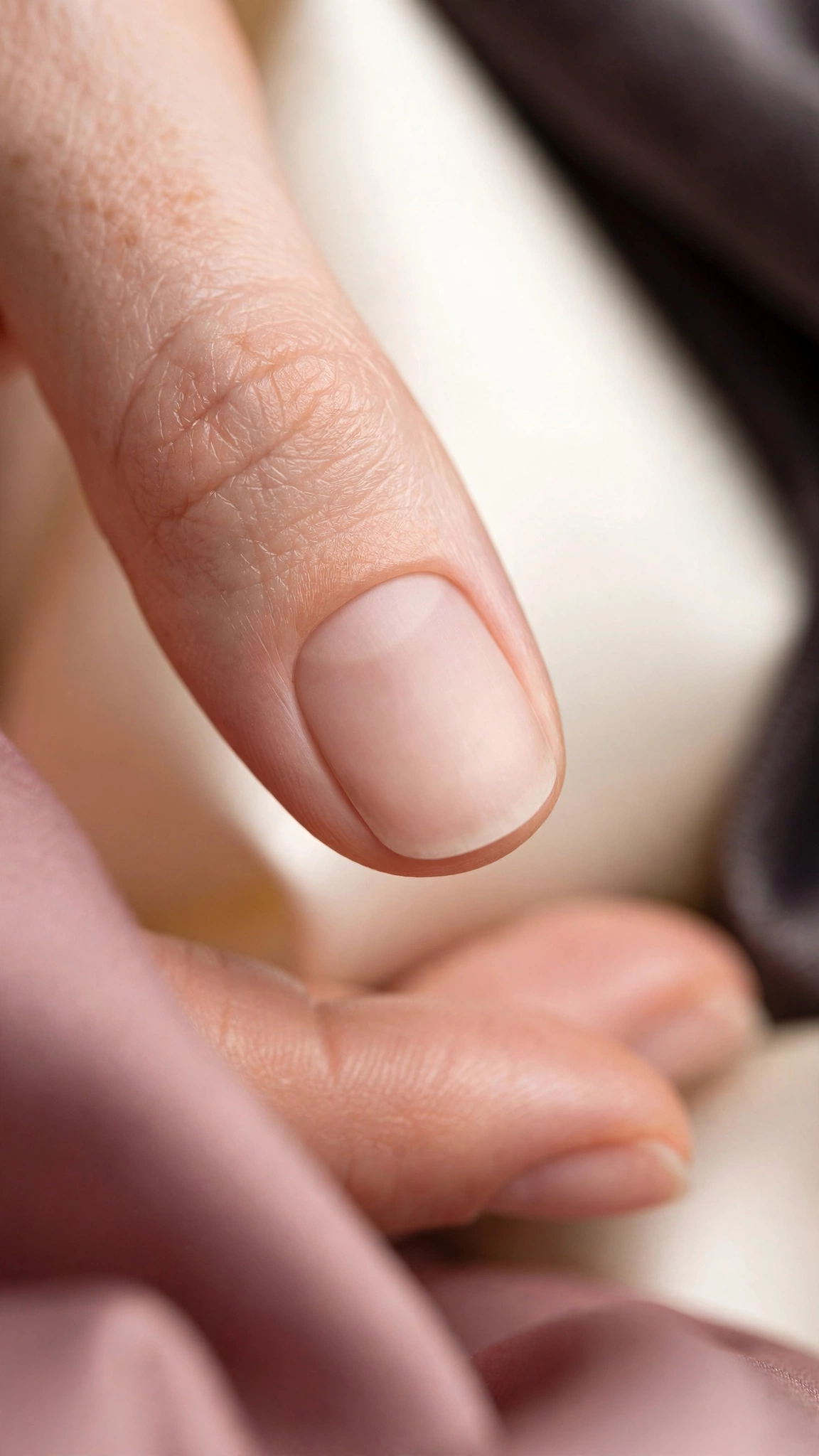
Russian vs Japanese vs American Manicure
These three are often confused because each promises a “better” manicure — but they solve different problems. A Japanese manicure is a nail-health treatment: the natural nail is buffed with mineral pastes and powders to build shine and condition, with no cuticle cutting and usually no color at all. It is the choice for bare, healthy-looking nails rather than a finished look.
An American manicure is essentially a softer French manicure — a sheer, natural-looking finish with subtle tips, popular for understated elegance. It changes the look, not the technique underneath.
The Russian technique, by contrast, is a prep technique. It can be finished with gel color, a French design, or left natural — the “Russian” part describes how the cuticle and nail bed are prepared, not the final look. If you are weighing gel options, our gel manicure guide walks through what to expect from the finish itself, and our gel-X vs acrylic comparison breaks down enhancement choices if you want length on top of the Russian prep.
The Pros of a Russian Manicure
The biggest advantage is longevity. Because polish is placed so close to the cuticle, regrowth takes longer to show — many clients report three to four weeks of wear from a gel version, compared to two to three weeks from a standard gel manicure.
The finish is exceptionally neat. The e-file creates a smooth, uniform cuticle line that makes even a simple solid color look precise and expensive — the “clean girl” aesthetic, essentially engineered.
It is also ideal for nail art and French designs, where a crisp edge makes every detail sharper. And because the prep is so thorough, lifting and chipping at the cuticle — the most common gel failure point — is noticeably reduced. According to salon professionals, clients who switch rarely go back — the grow-out alone converts most skeptics.
The Cons and Risks to Know
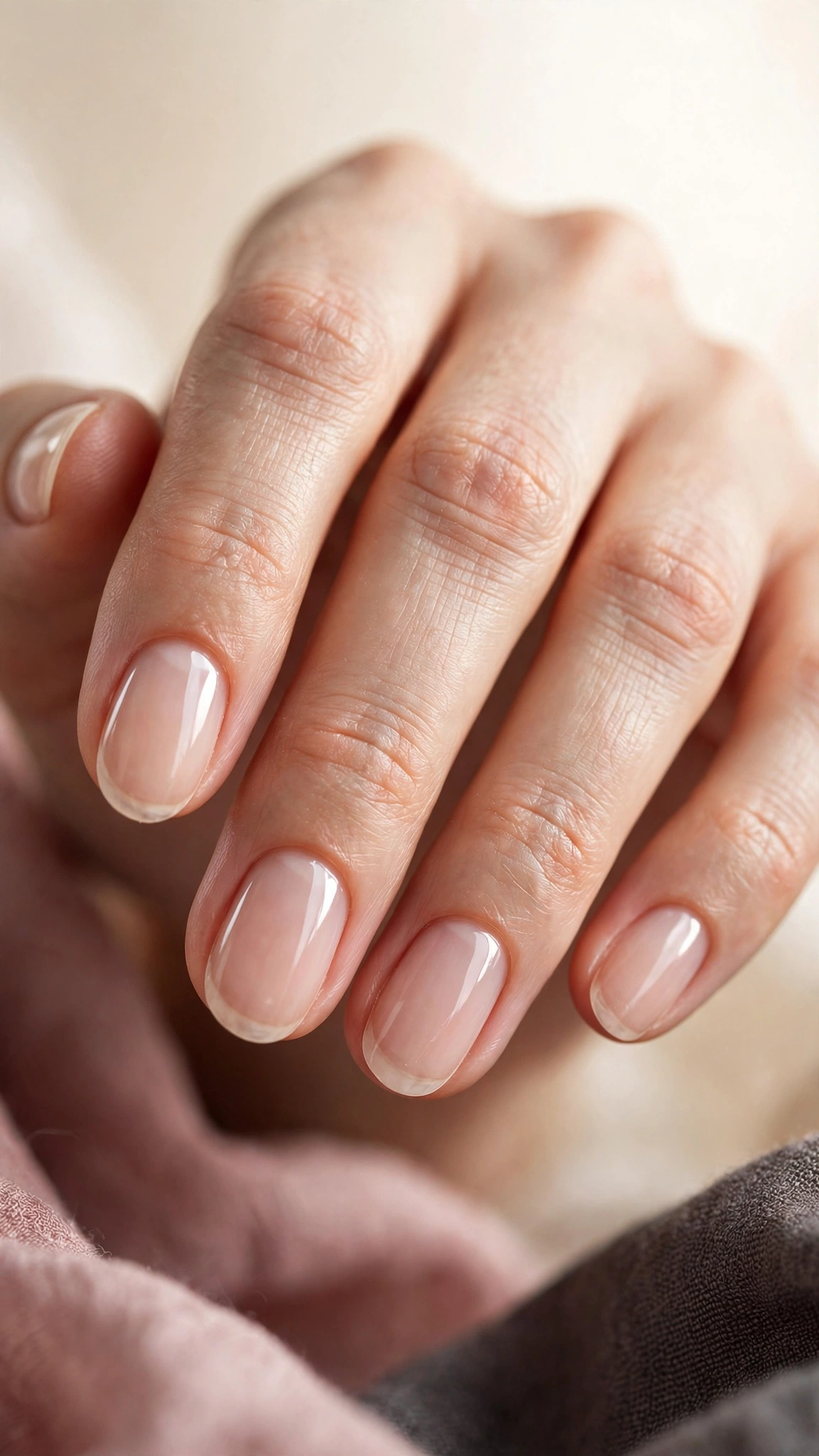
The main concern with a Russian manicure is technique sensitivity. An e-file in inexperienced hands can thin the nail plate, create friction heat, or nick living cuticle — which is why the technician’s training matters more here than with any other manicure type.
Dermatologists generally urge caution with aggressive cuticle work. According to the American Academy of Dermatology’s nail care guidance, the cuticle acts as a protective seal for the nail, and damaging that seal can raise the risk of infection — a useful reminder that more cuticle removed is not automatically better. Read their full nail care secrets before booking any intensive cuticle treatment.
Russian manicures also cost more and take longer — often 50 to 100 percent more than a classic manicure at the same salon — and the results depend entirely on who holds the e-file. For background on how manicure techniques are classified, Wikipedia’s manicure overview is a solid primer.
Who Should Skip a Russian Manicure
If your nails are thin, brittle, or recovering from damage — over-filing, harsh removals, or biting — skip the e-file until they have recovered. Adding mechanical exfoliation to an already weak nail plate is asking for trouble, no matter how skilled the technician.
People with very sensitive skin, eczema or psoriasis around the nails, or conditions such as diabetes that affect healing should talk to a dermatologist before booking any intensive cuticle work. When in doubt, a classic manicure is the gentler path.
Also worth skipping: any salon that cannot explain its process. A safe provider should be able to tell you which bits they use, how they sanitize them, and how they judge when to stop. If those answers are vague, walk away.
Aftercare: Keeping It Flawless
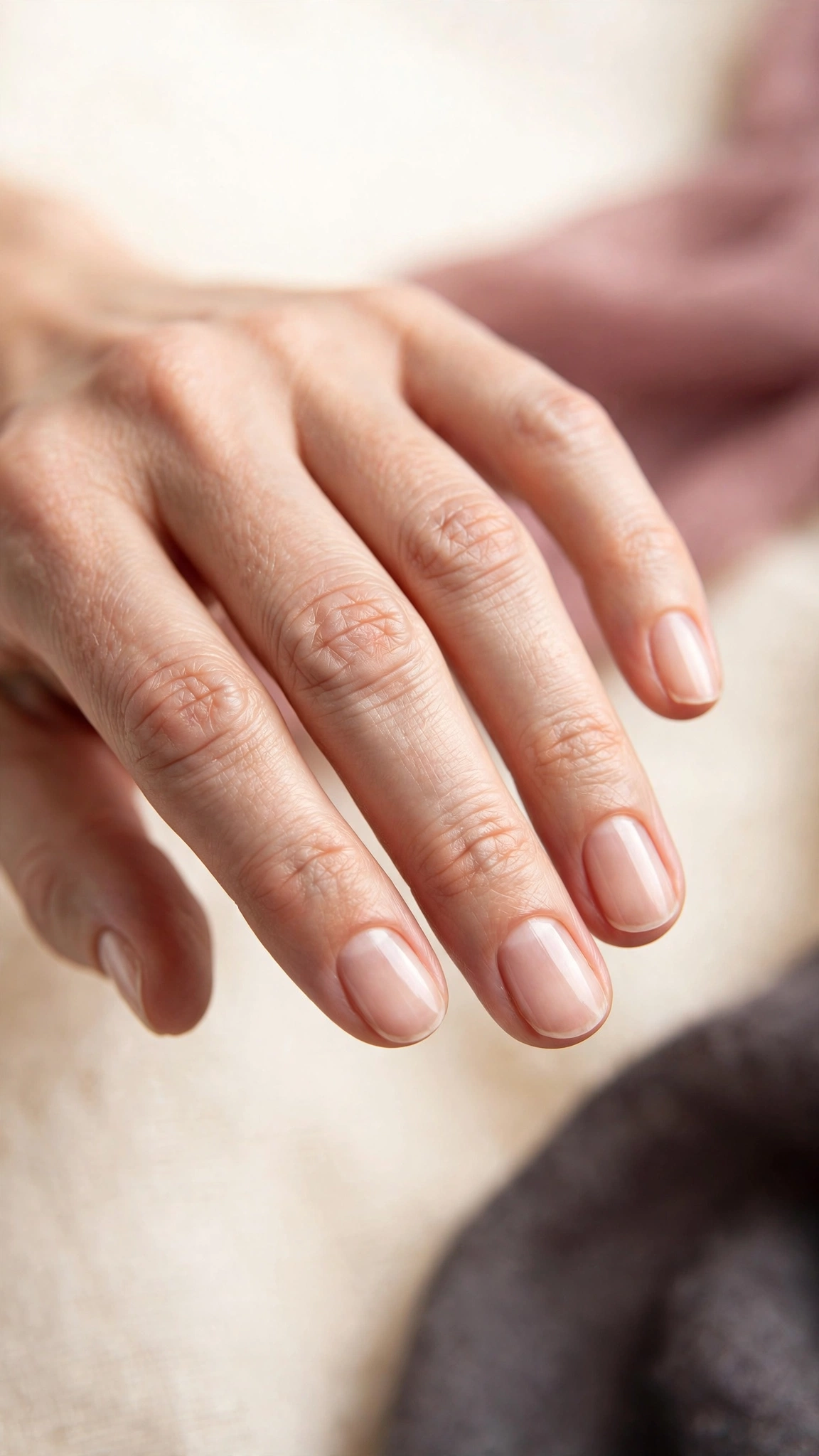
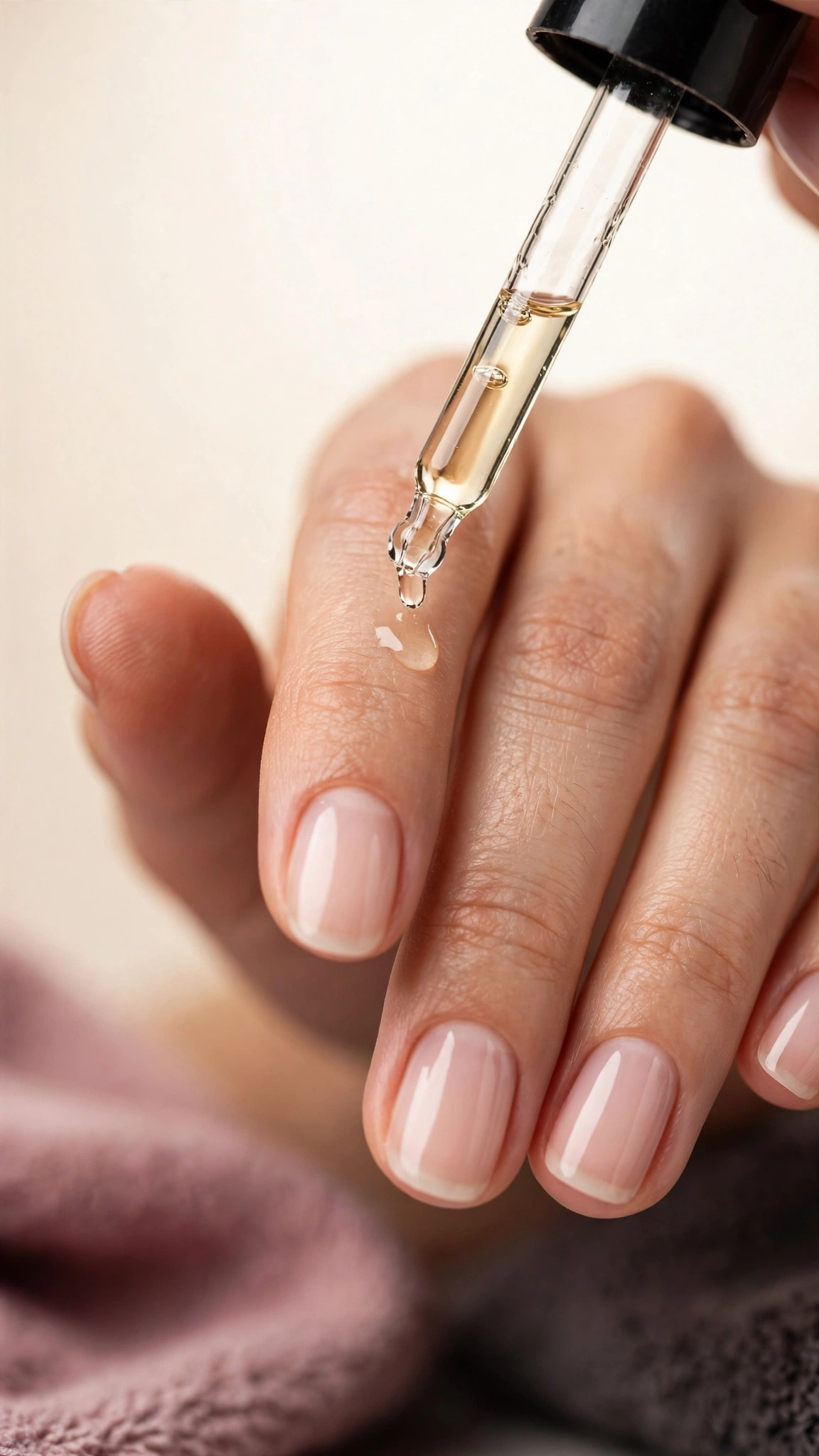
Russian manicure aftercare is simple but non-negotiable. Massage cuticle oil into the nail folds daily — according to nail professionals, hydrated cuticles are what keep that crisp edge looking fresh as the manicure grows out.
Wear gloves for cleaning and dishwashing, avoid using your nails as tools, and resist picking at the cuticle line as regrowth appears. If you love the clean, bare aesthetic between appointments, our bare nails guide covers the quiet-luxury look that pairs perfectly with a growing-out set.
Book your fill or removal before the four-week mark. Gel that has grown out too far is more prone to lifting, and lifting is how moisture gets trapped under the enhancement — scheduling protects the nail underneath.
How Long Does It Last, and What Does It Cost?
A gel version typically lasts three to four weeks, depending on your nail growth rate and aftercare. A regular-polish version lasts closer to 7 to 10 days — the meticulous prep helps, but regular polish simply does not have gel’s durability.
Expect to pay a premium. According to salon price lists and beauty editors, it generally runs 50 to 100 percent more than a classic manicure at the same salon, reflecting the extra chair time and specialized training. Prices vary widely by city, so treat any number you see online as a starting point and check local salons.
Can You Do a Russian Manicure at Home?
Technically, yes — e-files are sold to consumers — but most professionals advise beginners against attempting it at home. The cuticle area is unforgiving: too much pressure or the wrong bit can damage the nail plate, and you cannot see your dominant hand’s cuticles as clearly as a technician can.
A safer at-home approximation: gently push cuticles back after a shower, exfoliate lightly, and apply polish with a precise hand. You will get most of the look with none of the risk — and leave the e-file to trained hands.
Final Thoughts
A Russian manicure earns its reputation through meticulous prep: cleaner cuticles, polish that hugs the skin, and weeks of graceful grow-out. It is not the cheapest or quickest manicure, and it demands a skilled technician — but for anyone chasing that impossibly neat, long-lasting finish, it is the technique worth knowing about. Bring these questions to your consultation, choose your salon carefully, and enjoy the cleanest manicure of your life. Done well, it is the closest thing to a flawless manicure that currently exists.
💅 Want to try it at home? Our Beginner’s At-Home Gel Manicure Guide walks you through prep, application and aftercare, step by step — $7.99, instant download. Get the guide →
Russian Manicure vs Regular Manicure: An Honest Side-by-Side
This russian manicure vs regular manicure breakdown goes point by point, so you can decide which suits your nails, your budget, and your tolerance for upkeep. Neither is objectively better — they solve different problems.
| Feature | Russian Manicure | Regular (Classic) Manicure |
|---|---|---|
| Technique & tools | Electric file (e-file) with fine diamond bits; no water soak | Warm water soak, cuticle pusher, nippers; hand tools only |
| Cuticle handling | Cuticle is exfoliated and lifted with the e-file for a crisp, clean line | Cuticle is softened, pushed back, and lightly trimmed |
| Precision | Polish can sit closer to the cuticle with a minimal visible gap | Polish is applied with a small visible margin at the cuticle |
| Longevity | Often 3–4 weeks of neat regrowth, according to technicians | Typically 1–2 weeks before regrowth becomes visible |
| Cost | Higher — needs a trained technician and more chair time | Lower — quicker service, available at virtually every salon |
| Pain & risk | Can feel warm or ticklish; higher risk if the technician is inexperienced | Very low risk; the gentler option for thin or sensitive nails |
Who Should Choose Which?
Choose a Russian manicure if your priority is longevity and a razor-clean cuticle line, and you’re comfortable paying more for a genuinely skilled technician. Stick with a regular manicure if your nails are thin, damaged, or very sensitive, or if you prefer a quick, affordable tidy-up. For a natural finish gentler than the e-file method, an American manicure is a middle-ground alternative worth considering.
Is a Russian manicure more painful than a regular manicure?
Not necessarily. A well-done Russian manicure feels, at most, warm or slightly ticklish from the e-file. A regular manicure is gentler by default. If it actually hurts, that usually signals poor technique — speak up rather than sitting through it.
Does a Russian manicure damage nails more than a regular one?
In the wrong hands, yes. The e-file only removes dead tissue when used correctly, but aggressive filing can thin the nail plate. According to dermatologists, the cuticle seals out moisture and germs, so any cuticle work should stay conservative.
Is a Russian manicure worth the extra cost over a regular manicure?
If you want polish that still looks fresh at week three and dislike frequent salon visits, the higher price often pays for itself. If you repaint every week or two anyway, a regular manicure is better value.
Can I switch from regular manicures to Russian ones?
Yes — just tell the technician about any damage, thinning, or sensitivity first, and expect the first session to run a little longer. If your nails are currently damaged, let them recover with regular manicures first.
Frequently Asked Questions
Does a Russian manicure hurt?
No — not when it is done correctly. You may feel light vibration or a mild tickling sensation from the e-file, but there should be no pain, burning, or bleeding. If anything hurts, the pressure is too high or the bit is wrong: speak up immediately, because pain is the signal that tissue is being damaged.
How is a Russian manicure different from a regular manicure?
The difference is all in the prep. A regular manicure soaks the nails and tidies cuticles with nippers; it is completely dry and uses an electric file with fine diamond bits to exfoliate and refine the cuticle area. Polish can then be applied closer to the skin, so it lasts longer and grows out more gracefully.
How long does a Russian manicure last?
With gel polish, expect three to four weeks of wear — the close-to-cuticle application hides regrowth longer than a standard manicure. With regular polish, expect 7 to 10 days. Daily cuticle oil and gloves for wet work stretch either version further.
Is a Russian manicure safe?
It is as safe as the technician performing it. With a trained professional using light pressure and proper sanitation, the risks are low. The documented concerns — thinning the nail plate, nicking live cuticle, infection from a damaged cuticle seal — come from aggressive or unskilled work, which is why vetting the salon matters more for this treatment than for a classic manicure.
Can I get a Russian manicure on short nails?
Absolutely — it works on every length and shape. It is actually excellent on short nails, because the immaculate cuticle line visually elongates the nail bed, making short nails look longer and more refined.
How much does a Russian manicure cost?
Expect a premium over a classic manicure — typically 50 to 100 percent more at the same salon, reflecting the 60 to 90 minutes of chair time and specialized e-file training. Exact prices vary widely by city and salon, so check local listings rather than relying on a single number.
Compare Before You Choose
See the Closest Alternatives
Compare nearby shapes, colors and finishes before picking a final reference.
Recommended Next

Pingback: Japanese Manicure: Benefits & How It Differs (2026)
Pingback: How to Do Gel Nails at Home for Flawless Results (2026)