Choosing between gel vs dip vs acrylic nails is one of the most common questions at the nail salon counter. Every nail tech has an opinion, every salon menu has all three, and every “which is better” thread online contradicts the last one. So here’s the actual breakdown — durability, damage, cost, and which one fits your specific hands and habits — without picking a side just to have an answer.
The Quick Version
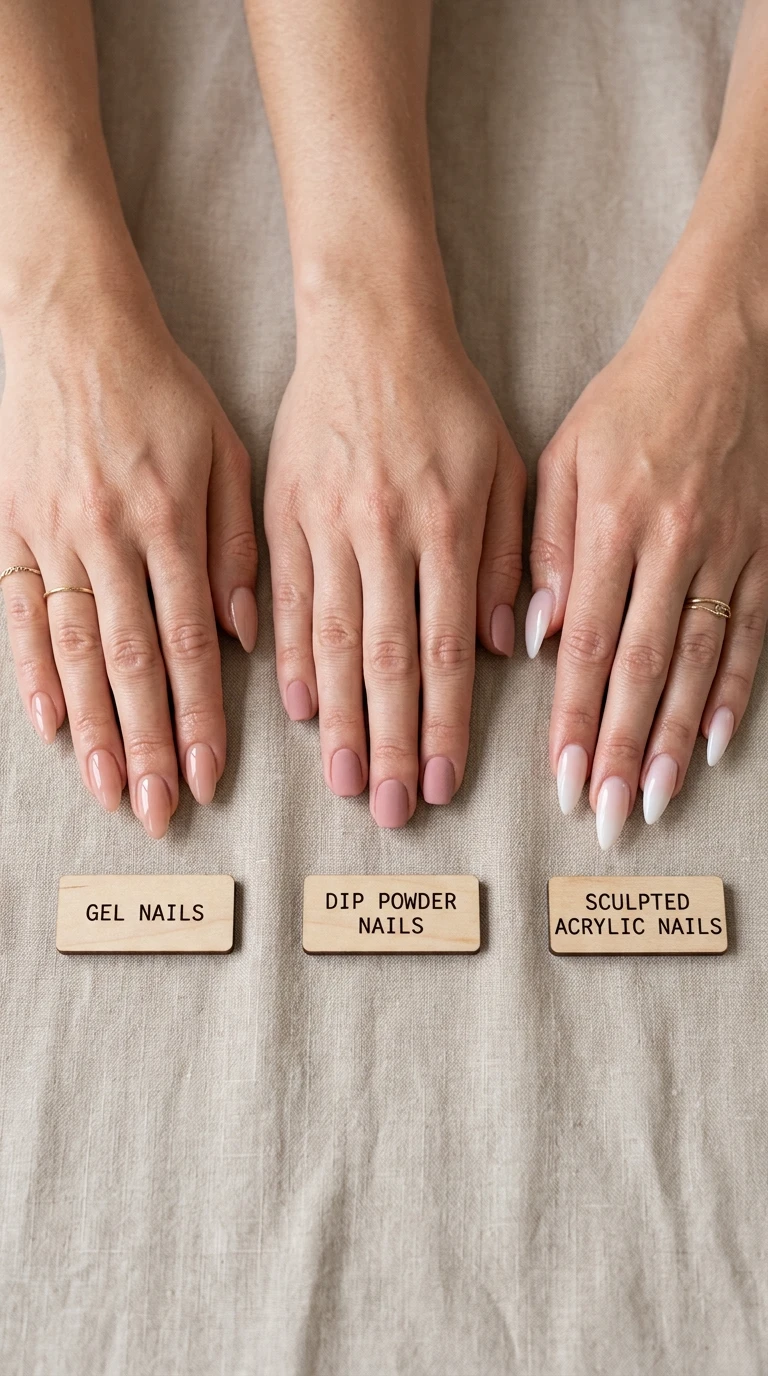
Gel looks the most natural and is gentlest to remove, but chips faster if you work with your hands a lot. Dip powder lasts longest and resists chipping best, but is harder on the natural nail during removal. Acrylic is the strongest for length and repair, but it’s the most damaging to remove incorrectly and the most obviously “done” looking. That’s the core of the gel vs dip vs acrylic nails debate.
What Gel Polish Actually Is
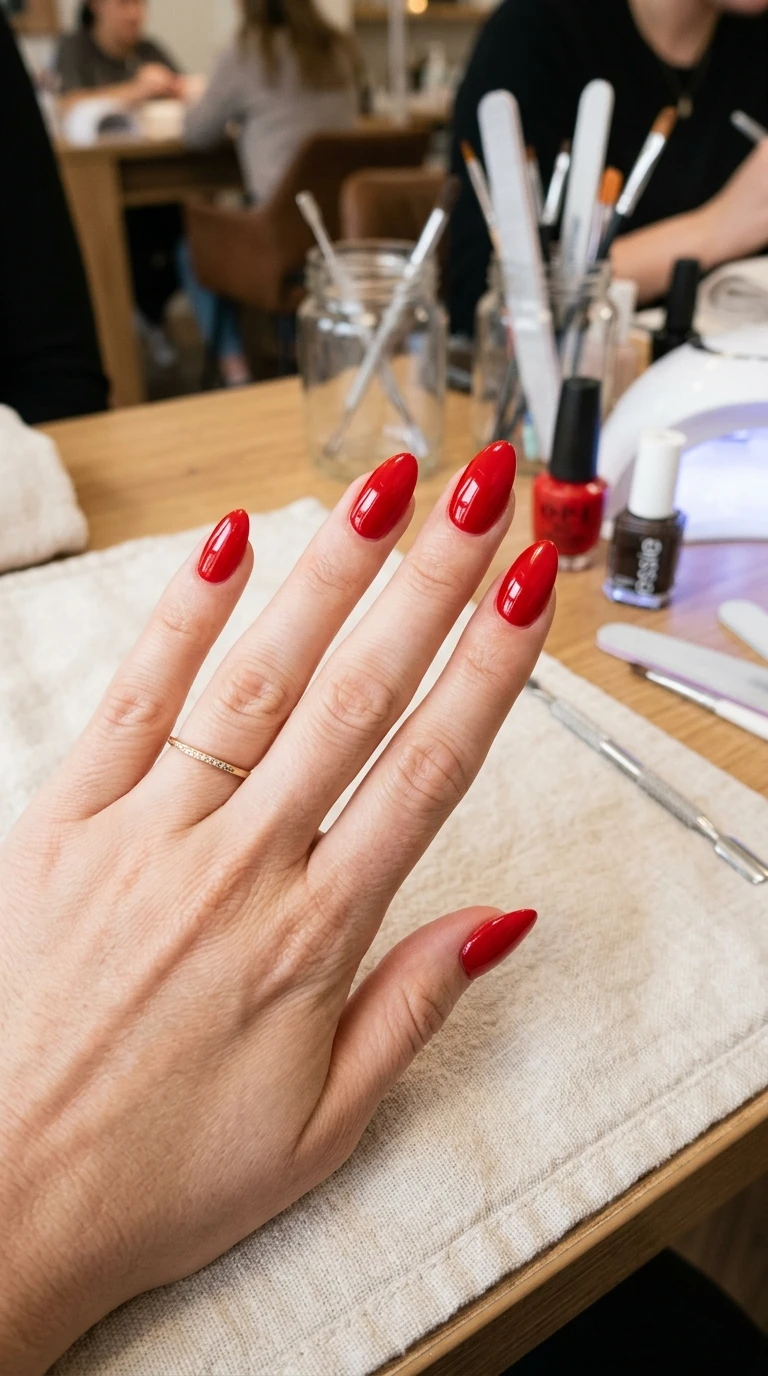
Gel is a polish-like formula cured under UV or LED light instead of air-drying. It sits closest to a natural nail look and feel, which is why it’s the go-to for anyone who wants color without an obviously artificial finish. Builder gel (a thicker version) can add some strength and slight length, but it’s not a substitute for acrylic if you need serious extensions. It’s a key factor in the gel vs dip vs acrylic nails comparison.
Lasts: roughly 2–3 weeks before chipping or noticeable regrowth.
Removal: soak in acetone until it softens, then gently push off — no filing through layers required if done correctly.
Best for: people who want their nails to look like nails, not add-ons. Salon techs field this gel vs dip vs acrylic nails question daily.
What Dip Powder Actually Is
Dip powder builds color by dipping the nail into pigmented powder, sealed with an activator — no UV light needed. It’s noticeably harder than gel once cured, which is exactly why it resists chipping so well, but that same hardness is what makes it tougher on the nail during removal if a tech files rather than soaks it off. This matters most when you’re weighing gel vs dip vs acrylic nails side by side.
Lasts: 3–4 weeks, often the longest-wearing of the three before chipping.
Removal: should be soaked off in acetone, not filed — filing is where most of the nail-thinning complaints about dip actually come from.
Best for: people whose hands take a beating daily (dishes, gym, manual work) and need chip-resistance above all else. It’s another angle on the same gel vs dip vs acrylic nails tradeoff.
What Acrylic Actually Is
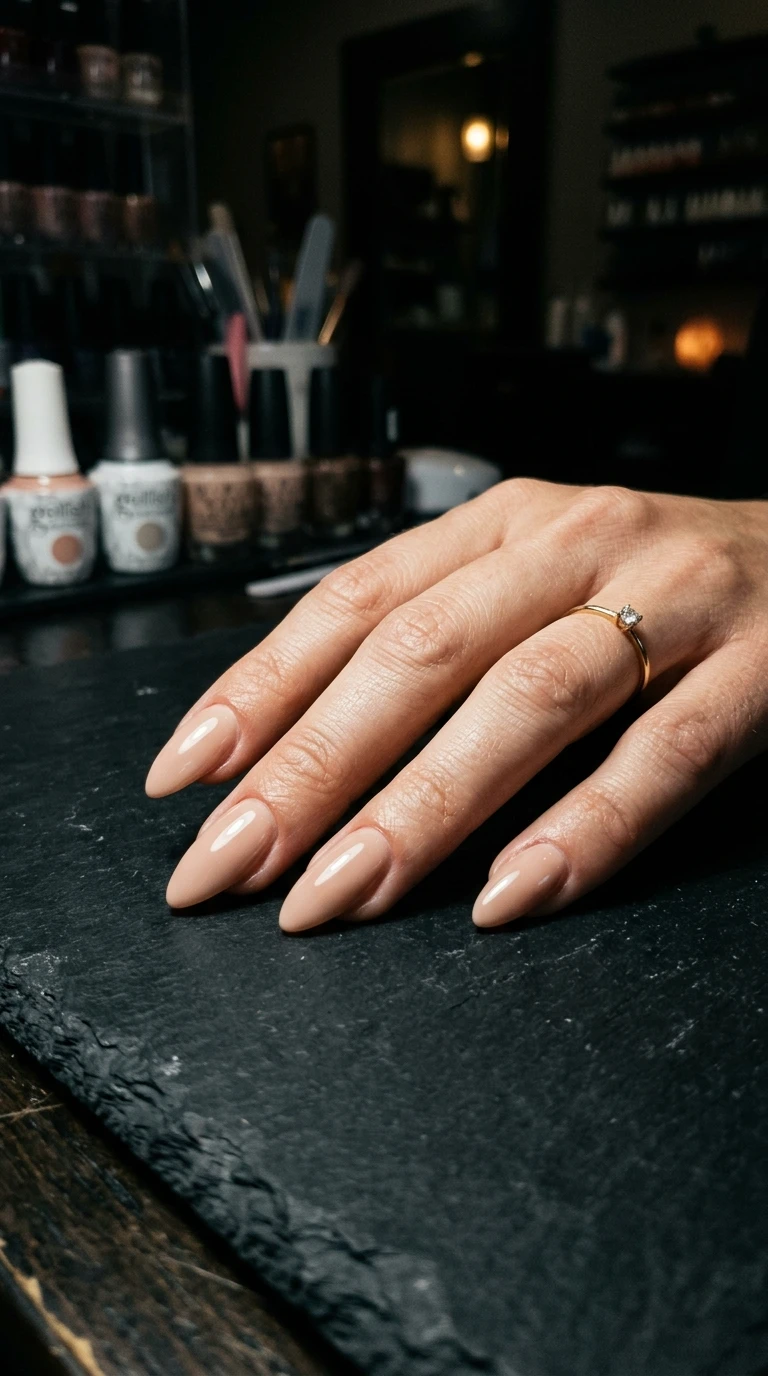
Acrylic is a liquid-and-powder mix that hardens into a durable overlay, sculpted over your natural nail or a tip extension. It’s the strongest option for adding real length or repairing a cracked nail, which is why it’s still the standard for anyone who wants long nails that hold up. Keep this in mind as you compare gel vs dip vs acrylic nails.
Lasts: 3–4 weeks, with regrowth becoming visually obvious sooner than gel.
Removal: soak-off is possible but slower than gel or dip; a rushed removal (filing or peeling) is the single biggest cause of thin, damaged nails afterward.
Best for: length, strength, or repairing a nail that’s already broken or weak. This is exactly why the gel vs dip vs acrylic nails comparison isn’t one-size-fits-all.
Which One Damages Your Natural Nails the Least
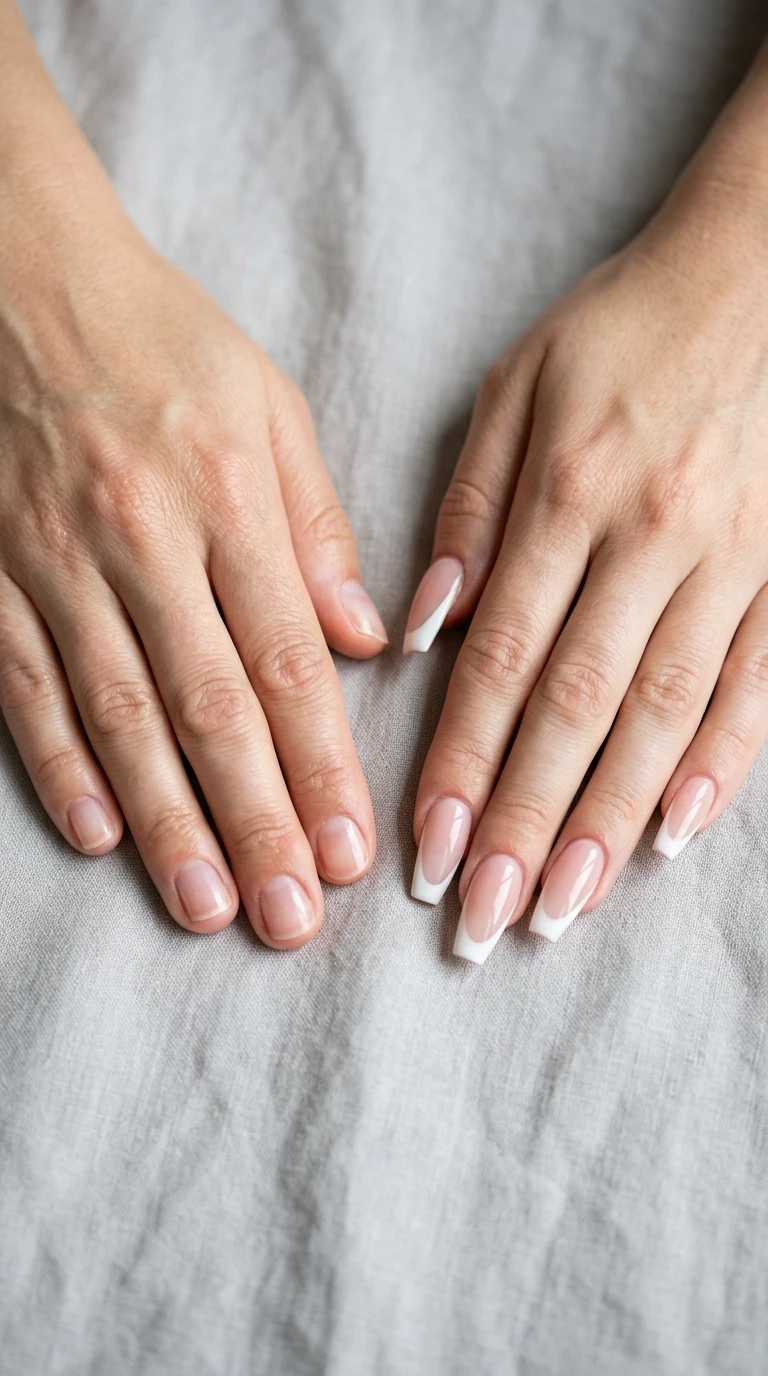
None of the three damage your nails if they’re removed correctly — the damage almost always comes from removal, not application. That said, gel is the gentlest by default because it’s designed to soften and lift off with acetone alone. Dip and acrylic can be just as safe, but only if your tech (or you) actually soaks them off instead of filing or peeling, which strips layers of the natural nail along with the product. This is one of the clearest differences in the gel vs dip vs acrylic nails discussion.
If your nails already feel thin, brittle, or peel in layers, take a break from all three for a few weeks and let them recover with a strengthening base coat and cuticle oil before your next set. That’s the kind of nuance that separates a good gel vs dip vs acrylic nails choice from a great one.
Which Lasts the Longest
Dip powder generally wins on pure chip-resistance and wear time, with acrylic close behind for length retention. Gel is the shortest-wearing of the three, mostly because its flexibility — the same quality that makes it look natural — makes it more prone to small chips at the tips. It’s a detail that often decides the gel vs dip vs acrylic nails choice.
Which Is Best If You’re New to All Three
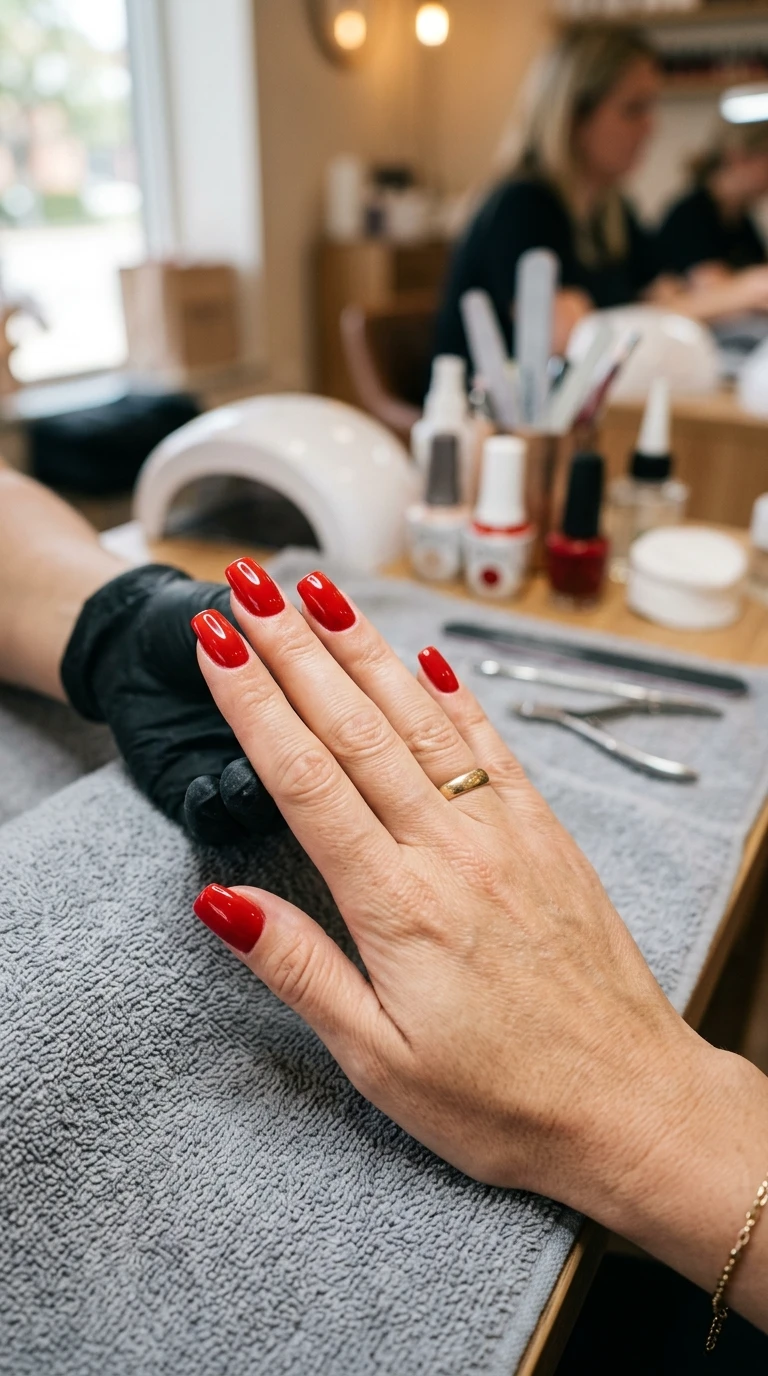
Gel is the easiest entry point: shortest commitment, gentlest removal, and the most forgiving if you change your mind on color or want to go back to bare nails quickly. Dip and acrylic both require more technical skill to apply and remove correctly, so they’re better done at a salon rather than attempted at home when you’re just starting out. That’s a useful data point in the gel vs dip vs acrylic nails decision.
How to Choose Based on Your Actual Lifestyle
- Hands in water constantly (dishes, cleaning, swimming): dip powder holds up best.
- Typing, office work, want a natural look: gel.
- Want length or have a broken nail to fix: acrylic.
- Prone to brittle or thin nails already: gel, and only with a soak-off removal every time.
- Wear gloves for cleaning and dishes — prolonged water and detergent exposure is one of the biggest causes of early lifting, especially at the edges.
- Apply cuticle oil daily. Well-moisturized skin around the nail reduces lifting at the cuticle line, which is usually where chipping and peeling start first.
- Avoid using nails as tools — opening cans, peeling labels, or prying things apart puts direct lifting pressure exactly where the product is weakest.
- Reapply a glossy topcoat every few days if you’re noticing dulling, especially with gel, which tends to lose shine before it actually chips.
More Nail Inspiration
If you’re leaning toward gel, our Gel Nails 2026 roundup has design ideas built specifically for a gel finish. For a shorter, low-maintenance option regardless of which method you choose, see our Short Nail Ideas guide. That’s the core of the gel vs dip vs acrylic nails debate.
FAQ
Is dip powder worse for your nails than gel?
Not inherently — the damage comes from how it’s removed. Soaked off correctly, dip is no more damaging than gel. Filed off, it’s the most damaging of the three. It’s a key factor in the gel vs dip vs acrylic nails comparison.
Do acrylic nails ruin your natural nails?
Not if applied and removed properly. Repeated fills without breaks, or peeling acrylic off instead of soaking it, is what causes long-term thinning and weakness. This matters most when you’re weighing gel vs dip vs acrylic nails side by side.
Which is healthier, hard gel or acrylic?
Hard gel is generally considered gentler since it’s more flexible and soaks off more easily, but the real difference in nail health comes down to application and removal technique rather than the product itself.
What’s Actually In Each Product
The differences in wear, removal, and nail health between these three come down to chemistry, not marketing. Understanding what’s actually happening on your nail explains why the “which is healthiest” question doesn’t have a single universal answer. Keep this in mind as you compare gel vs dip vs acrylic nails.
Gel is built on a photoinitiator system — the formula contains monomers and oligomers that stay liquid until exposed to UV or LED light, which triggers a curing reaction that hardens the whole layer at once. This is why gel needs a lamp and regular polish doesn’t: without the specific wavelength, it simply never cures.
Dip powder uses a cyanoacrylate-based bonding resin (chemically related to the adhesive in super glue) combined with colored acrylic polymer powder. Each layer is built by dipping the wet resin-coated nail into powder and repeating, which is why dip has that noticeably harder, more rigid finish compared to gel.
Acrylic is a two-part system — a liquid monomer mixed with a polymer powder at the point of application, which the tech sculpts before it hardens on its own through a chemical reaction (no lamp required). This is also the only one of the three that can be sculpted over a tip to add real structural length, since it’s workable for a short window before it sets.
allergy and sensitivity Considerations
This is the part most comparison guides skip entirely, and it’s worth knowing before you commit to a fill schedule. Acrylic systems historically used MMA (methyl methacrylate), which is more likely to cause skin sensitization and allergic reactions over repeated exposure — most professional salons now use EMA (ethyl methacrylate) instead, which is gentler, but it’s worth asking which one your salon uses if you have sensitive skin or a history of reactions. This is one of the clearest differences in the gel vs dip vs acrylic nails discussion.
Gel and dip both carry some risk of developing a contact sensitivity over time, particularly to the acrylate compounds common to both. If you notice new itching, redness, or swelling around the nail after starting a new type of enhancement — even one you’ve had before without issue — that’s a sign of developing sensitivity, and it’s worth taking a break rather than pushing through it.
Real Cost Differences Over Time
Sticker price at a single appointment doesn’t tell the full story — how often you need to go back matters just as much. It’s a detail that often decides the gel vs dip vs acrylic nails choice.
Gel typically needs the most frequent touch-ups since it’s the shortest-wearing, which can make it the most expensive option over a year even though each individual appointment tends to be mid-range in price.
Dip powder often costs slightly more per visit than gel but is needed less often, which can even out or come out cheaper over several months, depending on how fast your nails grow.
Acrylic usually has the lowest per-visit fill cost of the three once the initial full set is done, since fills are a standard, quick service — but factoring in the higher risk of damage from repeated fills without breaks, the long-term cost (in nail health, not just money) can be highest.
Nail Prep: What Actually Happens Before Each Application
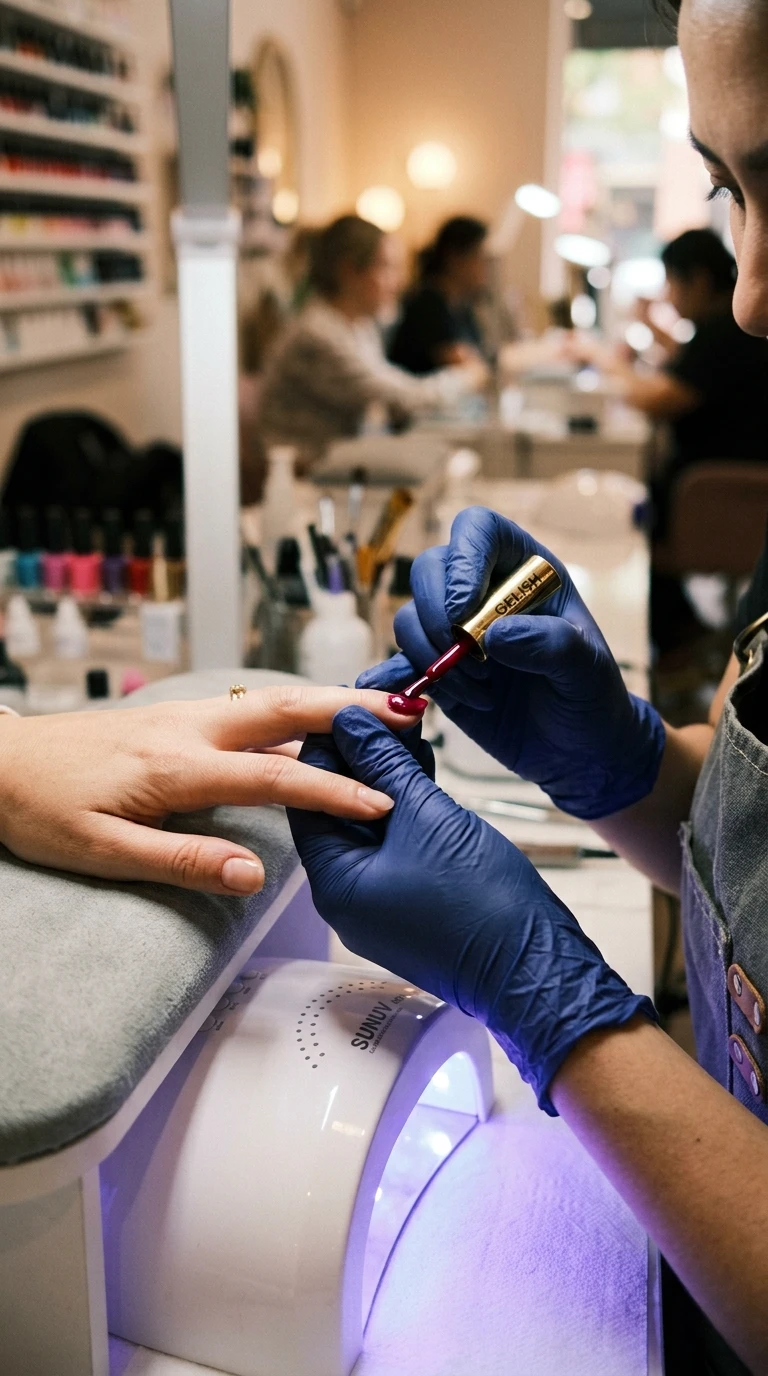
Gel typically needs the least aggressive prep — a light buff to remove shine so the gel adheres, plus cuticle work. Dip and acrylic both require more thorough buffing to rough up the nail surface for the bonding agent to grip properly, which is part of why they’re harder on the natural nail even before you get to the removal stage. This is also why switching between the three isn’t always seamless — a nail that’s been prepped and buffed repeatedly for acrylic needs real recovery time before it’s in good shape for a gentler gel application. That’s a useful data point in the gel vs dip vs acrylic nails decision.
Which Holds Nail Art and Embellishments Best
If detailed nail art, 3D embellishments, or rhinestones are part of what you want, acrylic and hard gel both provide a sturdier base than dip or soft gel, since the surface is harder and holds fine detail without flexing. Dip can support simpler art (ombré, mixed powders) well, since color can be built directly into the layers, but intricate hand-painted or embedded designs tend to hold up longest on a harder gel or acrylic base. That’s the core of the gel vs dip vs acrylic nails debate.
How Salon Techs Actually Decide What to Recommend
A good tech is looking at more than what you ask for — they’re assessing your natural nail’s current thickness and flexibility, how much time you realistically have for upkeep, and what your hands are exposed to daily. Someone with naturally strong nails who just wants color gets pointed toward gel. Someone with weak or bitten nails who wants them to look normal again for a few months often gets steered toward a light acrylic overlay for structural support. Someone who’s hard on their hands physically (manual work, frequent hand-washing) tends to get recommended dip for the wear resistance. It’s a key factor in the gel vs dip vs acrylic nails comparison.
Choosing By Specific Situation
You bite your nails or they’re currently very short and weak: a light acrylic or hard gel overlay gives structure to grow out without breakage, functioning almost like a cast for the nail while it strengthens. This matters most when you’re weighing gel vs dip vs acrylic nails side by side.
You’re a frequent traveler and need low-maintenance: dip powder’s longer wear time between fills means fewer appointments to schedule around a travel calendar.
You’re getting married or have one specific event: acrylic gives the most reliable long length and durability for a single set that needs to survive a demanding day — see our long stiletto nails guide for that look specifically, though gel with builder gel tips is a gentler alternative if you don’t need dramatic length.
You’re a student or in a hands-on job: gel is usually the most practical — quick to remove if it chips badly, and gentle enough to keep up for months without cumulative damage.
You have sensitive skin or a history of reactions to nail products: gel is generally the safer starting point, since it has the most straightforward, well-tested formulation of the three, though patch-testing any new product is worth doing regardless of type.
Removal, Done Properly
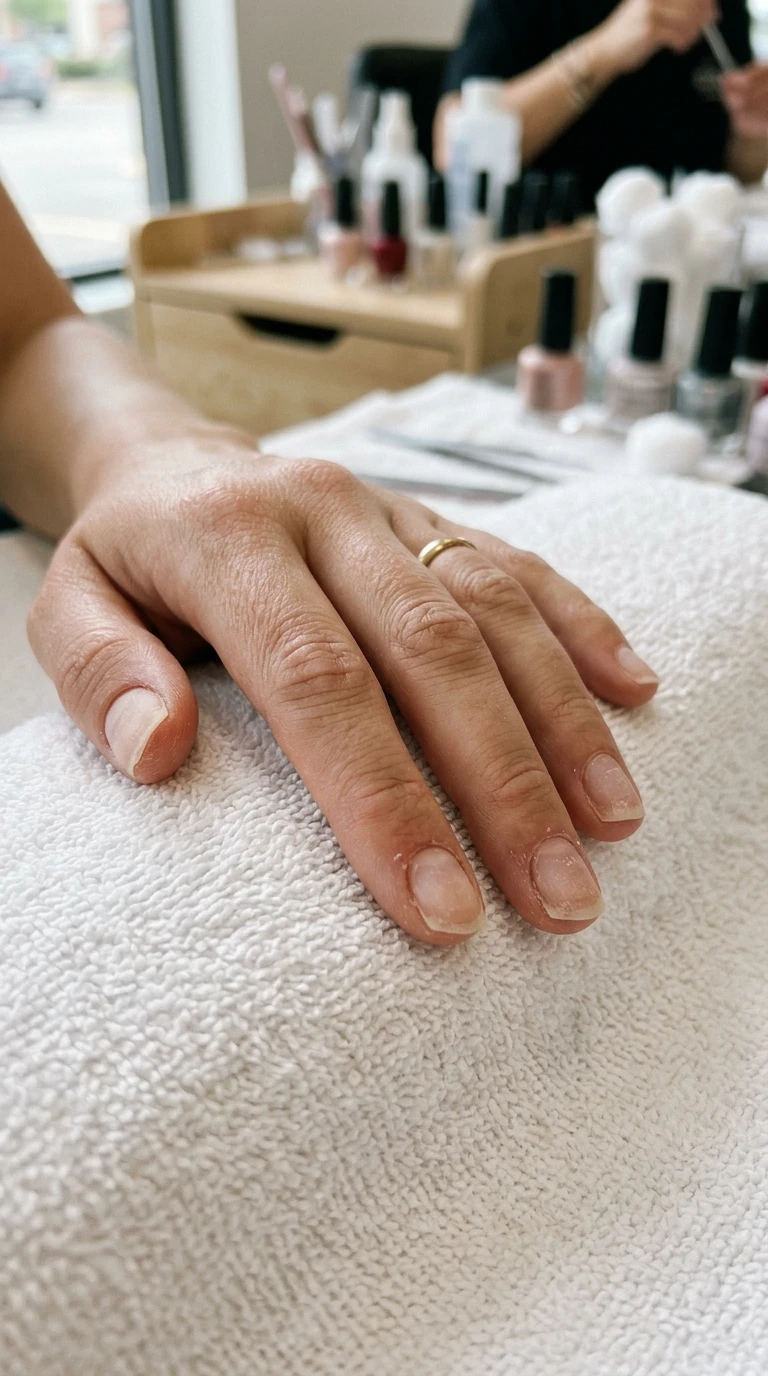
All three should be soaked off in acetone, not filed or peeled — this single fact matters more to nail health than which product you choose in the first place. A proper soak-off involves buffing the top shine layer only (not filing down to the nail), then wrapping the nail in acetone-soaked cotton and foil for 10-20 minutes depending on the product, until it lifts off with minimal resistance. If it’s not lifting easily, it needs more soak time — forcing it off at that point is exactly what causes the thinning and peeling people associate with “damaged” nails. Keep this in mind as you compare gel vs dip vs acrylic nails.
Ventilation and Salon Safety
Acrylic application in particular releases stronger fumes than gel or dip, since the liquid monomer is more volatile before it cures. A well-ventilated salon (visible extraction fans, open windows, or dedicated air filtration at each station) isn’t just about comfort — it reduces prolonged exposure for both you and the tech. If a salon feels heavy with chemical smell and has no visible ventilation, that’s worth factoring into where you choose to get acrylic done specifically. This is one of the clearest differences in the gel vs dip vs acrylic nails discussion.
Extended FAQ
Can you switch between gel, dip, and acrylic without a break?
You can, but nails benefit from a short break (a week or two of bare, oiled nails) between different systems, especially after acrylic, to let the surface recover from repeated buffing. It’s a detail that often decides the gel vs dip vs acrylic nails choice.
Which is best for very short, bitten nails specifically?
A light acrylic or hard gel overlay, applied over the natural nail rather than a tip, gives the most support for regrowth without adding dramatic length that’s hard to adjust to.
Does dip powder use a UV lamp like gel?
No — dip cures through a chemical reaction with the activator, not light, which is part of why some people prefer it if they’re concerned about UV lamp exposure.
Is builder gel the same as acrylic?
No — builder gel is a thicker gel formula cured under light, offering some added strength and slight length, but it doesn’t sculpt or bond the way acrylic’s liquid-and-powder system does, so it can’t match acrylic’s strength for significant length or repair.
Can I do any of these safely at home without a lamp or a kit?
Dip powder is generally the easiest of the three to do reasonably well at home, since it doesn’t require a UV lamp. Gel needs a lamp, and acrylic has the steepest learning curve of the three for sculpting and timing.
Common Myths, Corrected
“Acrylic always ruins your nails.” Not true on its own — years of repeated fills without breaks, combined with peeling instead of soaking off, is what causes the damage people associate with acrylic. A few sets with proper removal in between won’t meaningfully weaken healthy nails. That’s a useful data point in the gel vs dip vs acrylic nails decision.
“Gel is always the healthiest option.” It’s the gentlest by default, but only if it’s actually soaked off rather than picked or peeled — which is a common habit specifically with gel because it lifts more easily at the edges, tempting people to peel rather than wait for a proper removal.
“Dip powder is unsanitary because the powder is shared.” This was a legitimate concern with older dip systems that double-dipped brushes into a shared powder container across clients. Reputable salons now use single-use powder portions or a spray/sprinkle method specifically to avoid cross-contamination — it’s worth asking your salon which method they use if this is a concern.
“Your nails need to ‘breathe’ between sets.” Nails don’t actually breathe or absorb oxygen through the surface the way skin does, so this isn’t a health necessity in that literal sense. That said, a break does give you a chance to assess current nail condition and let any existing thinning recover before another cycle of prep and product.
How to Make Any of the Three Last Longer
Regardless of which one you choose, a few habits extend wear time across all three: That’s the core of the gel vs dip vs acrylic nails debate.
When to Just Take a Break From All Three
If nails are visibly thin, peeling in layers, or show new ridging that wasn’t there before, that’s a signal worth listening to rather than covering up with another set. A few weeks of bare nails with a strengthening base coat and consistent cuticle oil is usually enough to see visible improvement — or, if you still want a manicured look during that break, press-on nails are a no-commitment alternative that skips product application on the natural nail entirely, and it makes whichever system you choose next perform better on a healthier base. It’s a key factor in the gel vs dip vs acrylic nails comparison.
What About Acetone-Free Gel Removers and “No-Damage” Claims
Products marketed as “no-damage” gel removers or peel-off gels sidestep the soak-off process entirely, which sounds appealing but comes with a tradeoff. Peelable gel formulas are designed to lift off in one piece without acetone, but that lifting mechanism works by creating a weaker bond to the nail in the first place — which also means the finished manicure tends to chip and lift at the edges sooner than a traditional soak-off gel. There’s a real tradeoff between “easy to remove” and “lasts as long,” and it’s worth deciding which one matters more for how you actually use your hands day to day. This matters most when you’re weighing gel vs dip vs acrylic nails side by side.
A Quick Reference for Salon Conversations
If you’re not sure what to ask for, these three questions get you most of the way to the right choice at any salon: How often do you realistically want to come back for a fill or redo? Do your hands go through frequent water exposure or manual work? And are you dealing with any current weakness, breakage, or sensitivity in your natural nails? The answers to those three questions map almost directly onto the gel, dip, and acrylic recommendations throughout this guide, and any experienced tech will be able to translate them into the right service without you needing to know the technical differences yourself. Keep this in mind as you compare gel vs dip vs acrylic nails.
Compare Before You Choose
See the Closest Alternatives
Compare nearby shapes, colors and finishes before picking a final reference.
Recommended Next
Pearl Nails 2026: 50+ Elegant Looks From Chrome to Accent to French Tip
Read the guide →