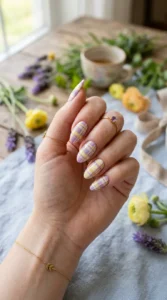
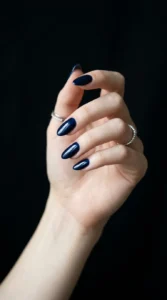
There is a particular kind of manicure that makes people reach out and touch a stranger’s hand without asking first — and it is not rude, it is instinct. That is the entire appeal of gummy nails, the 3D jelly-bear-inspired gel nail art trend that has quietly taken over TikTok, Pinterest, and salon waiting rooms since the start of 2026. If you have scrolled past a set of nails that looked less like polish and more like a candy dish, glossy, rounded, and almost bouncy in appearance, you have already seen this trend in the wild.
Gummy nails are not the same as the sheer, watercolor-soft jelly nails trend that have been trending for the past year, and they are not the chrome-finished glazed jelly look either. They are their own distinct category, and understanding the difference matters if you are booking an appointment or trying to describe a reference photo to your nail tech without getting a confused look.
What Exactly Are Gummy Nails?
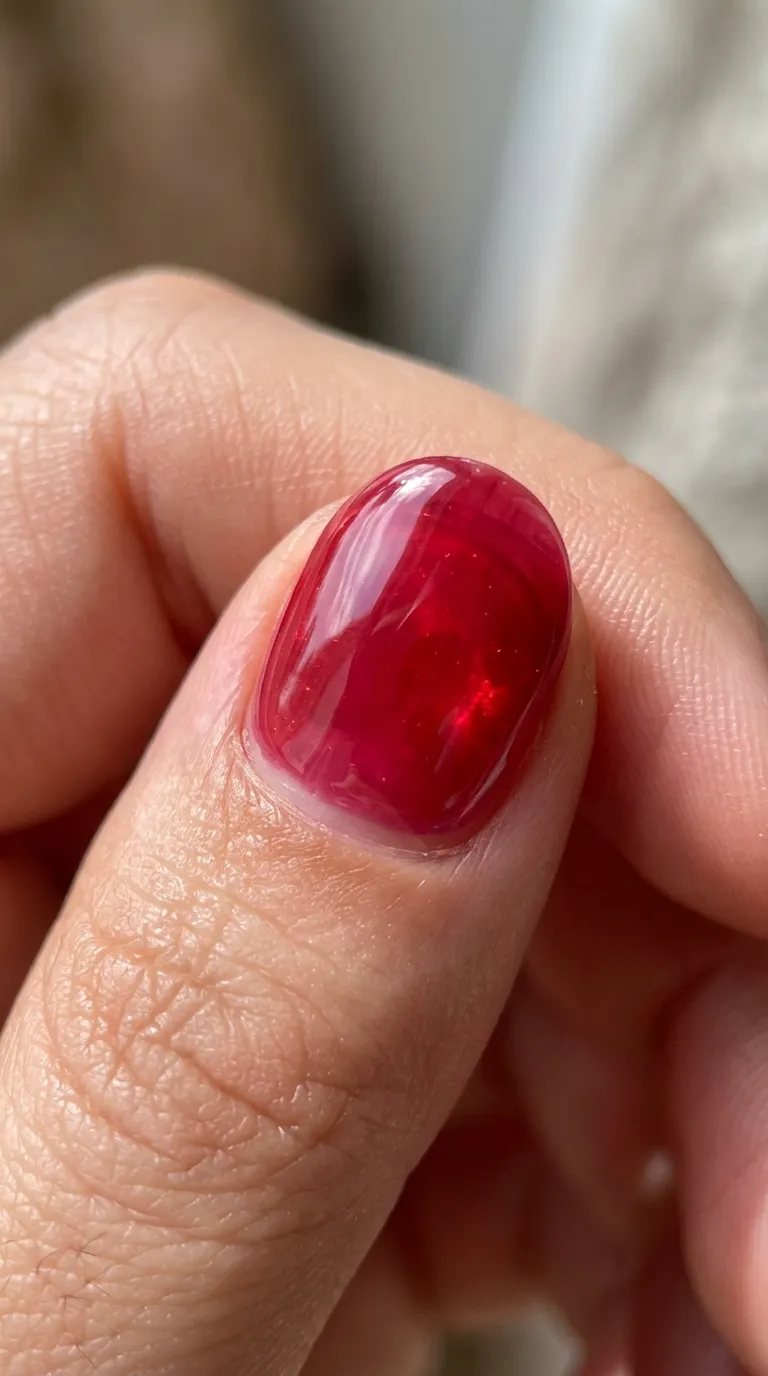
Gummy nails describe a specific technique: gel is built up in thin, deliberate layers directly on the nail plate to create a rounded, domed, almost three-dimensional surface that mimics the translucent squish of a gummy bear or a jelly candy. The color can be sheer or fully saturated, but the defining feature is always the same — depth. A true gummy nail reads as an object sitting on top of the nail rather than a flat coat of polish. Run your finger along one and you can often feel the gentle curve where the gel has been sculpted, not just painted.
This is where gummy nails part ways from two other trends people frequently confuse them with. The site’s earlier coverage of the jelly nails aesthetic focused on sheer, translucent polish where the natural nail bed shows through and the finish stays flat, almost like a tinted glass coating. Meanwhile, the glazed jelly nails trend is about a chrome-adjacent, pearlescent glaze finish layered over a jelly base for that glass-like shimmer. the look borrow the candy-inspired color story from both, but the technique is entirely different: it is a 3D gel-building method, closer to hard gel sculpting than a simple polish application.
The Pinterest Predicts Connection
Gummy nails got an official nod when Pinterest Predicts flagged “Gimme Gummy” as one of its named 2026 trends, reporting that searches for jelly candy aesthetic content jumped roughly 100 percent year over year, with gummy bear aesthetic searches up around 50 percent. Around the same time, celebrity nail artist Julie Kandalec called out the gummy-like 3D finish as one of the standout takeaways from the Tokyo Nail Expo, and brands like NYX Professional Makeup partnered with Pinterest on a pop-up Gummy Bar experience in Los Angeles. None of that happens by accident — it signals that this style have moved past a niche TikTok trend and into mainstream beauty calendar territory.
Why Gummy Nails Feel Different From Every Other Nail Trend Right Now
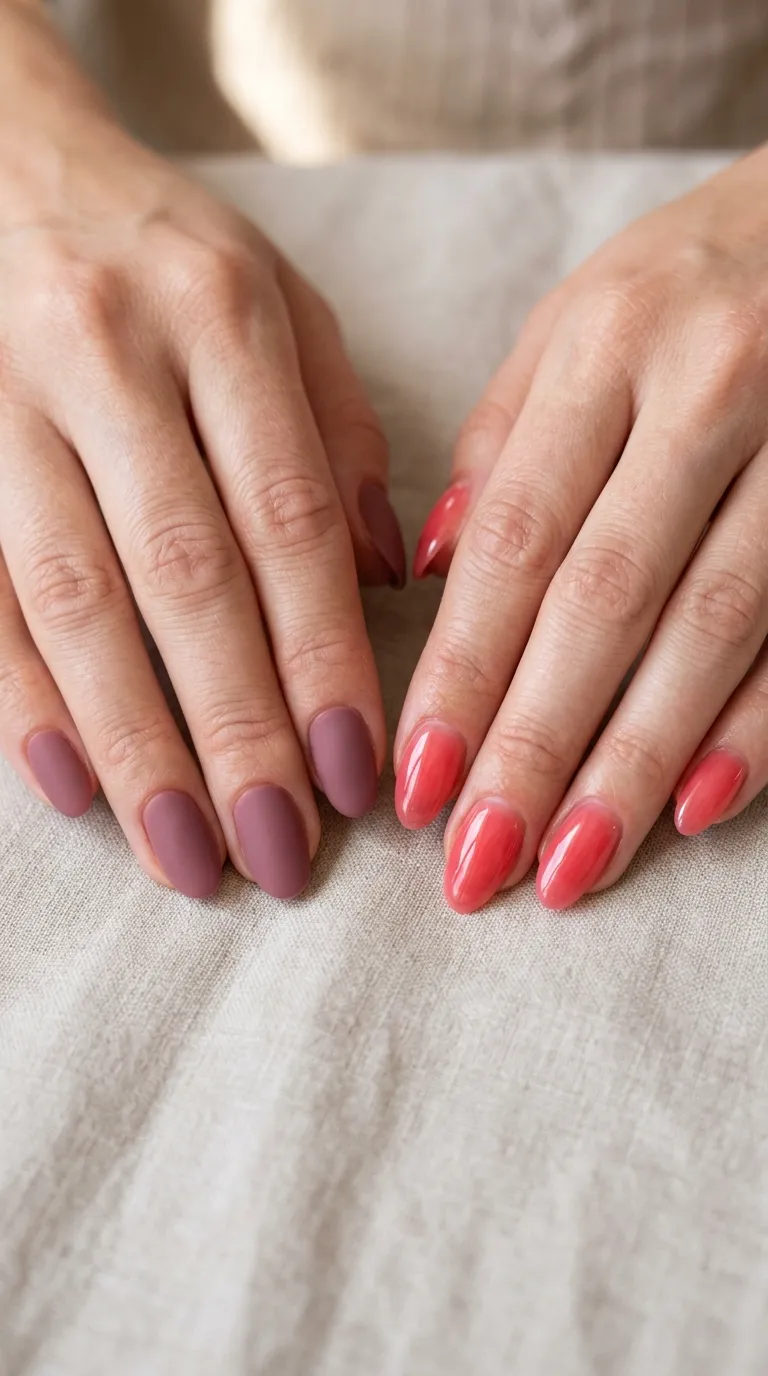
For the last several years, nail trends have leaned heavily into flat, glass-like minimalism: milky nails, glazed donut nails, clean girl neutrals. Gummy nails are a deliberate reaction to that. They bring back texture, dimension, and a kind of tactile, almost edible playfulness that rewards touch as much as sight. It is the same cultural impulse behind squishy phone cases, elastic cheek tints, and satisfying ASMR content — beauty that engages more than one sense.
There is also a nostalgia component. Millennials who grew up with gummy candy and Y2K jelly sandals see gummy nails as a grown-up, elevated callback. Gen Z, meanwhile, is drawn to the hyper-saturated, candy-coded color palettes that dominate their algorithmic feeds. the manicure manage to hit both audiences at once, which is a big part of why the trend has had such staying power through multiple seasons instead of fading after one viral video.
The Technique Behind the Trend
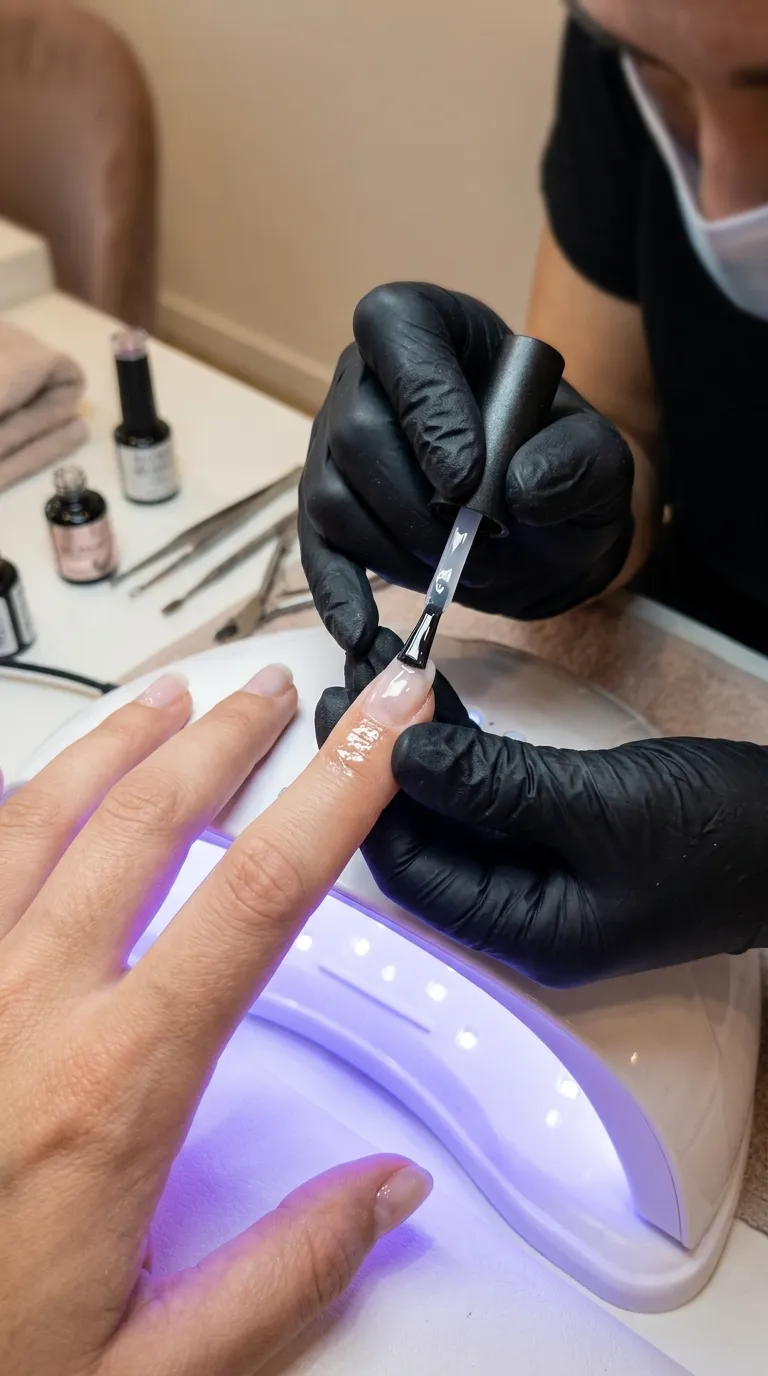
Achieving genuine gummy nails requires more skill than a standard gel manicure. A nail tech typically builds the shape using a clear or lightly tinted builder gel, applying it in rounded layers over the apex of the nail to create dimension before adding the saturated color layer on top. The final coat is almost always a high-shine, glass-like top coat, because gloss is what sells the “gummy bear” illusion. Without that reflective top layer, the nail just looks like a regular colored gel manicure. With it, light bounces off the curved surface exactly the way it would off a real piece of candy.
Nail shape matters too. Almond and soft square shapes tend to showcase the dome effect best, since the rounded silhouette continues the curve started by the gel building. Extremely long coffin or stiletto shapes can work, but they require more careful sculpting to avoid looking bulky rather than “juicy.”
Popular Gummy Nails Color Stories to Try
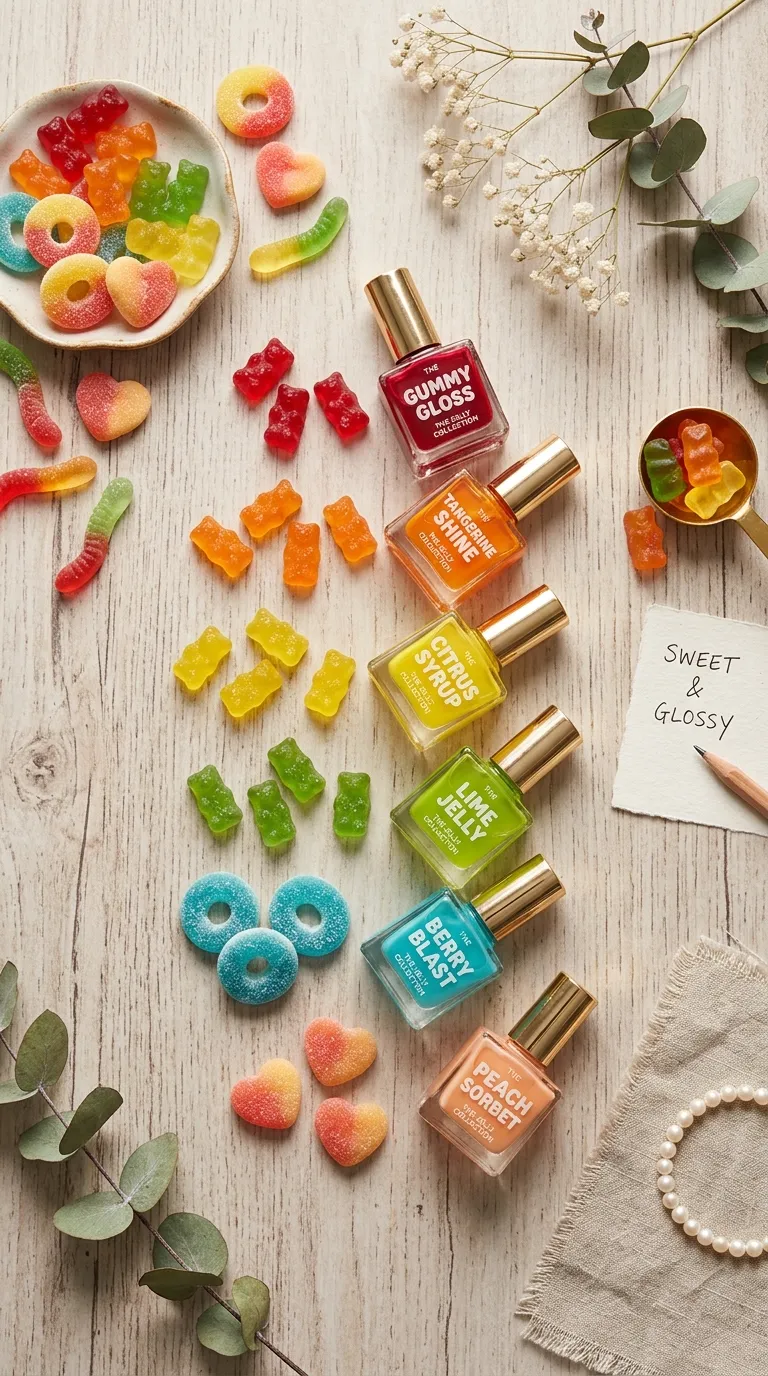
One of the reasons this look photograph so well is the color palette borrows directly from an actual candy jar. Here are the variations currently trending among nail artists and their clients.
Raspberry and Cherry Cola Reds

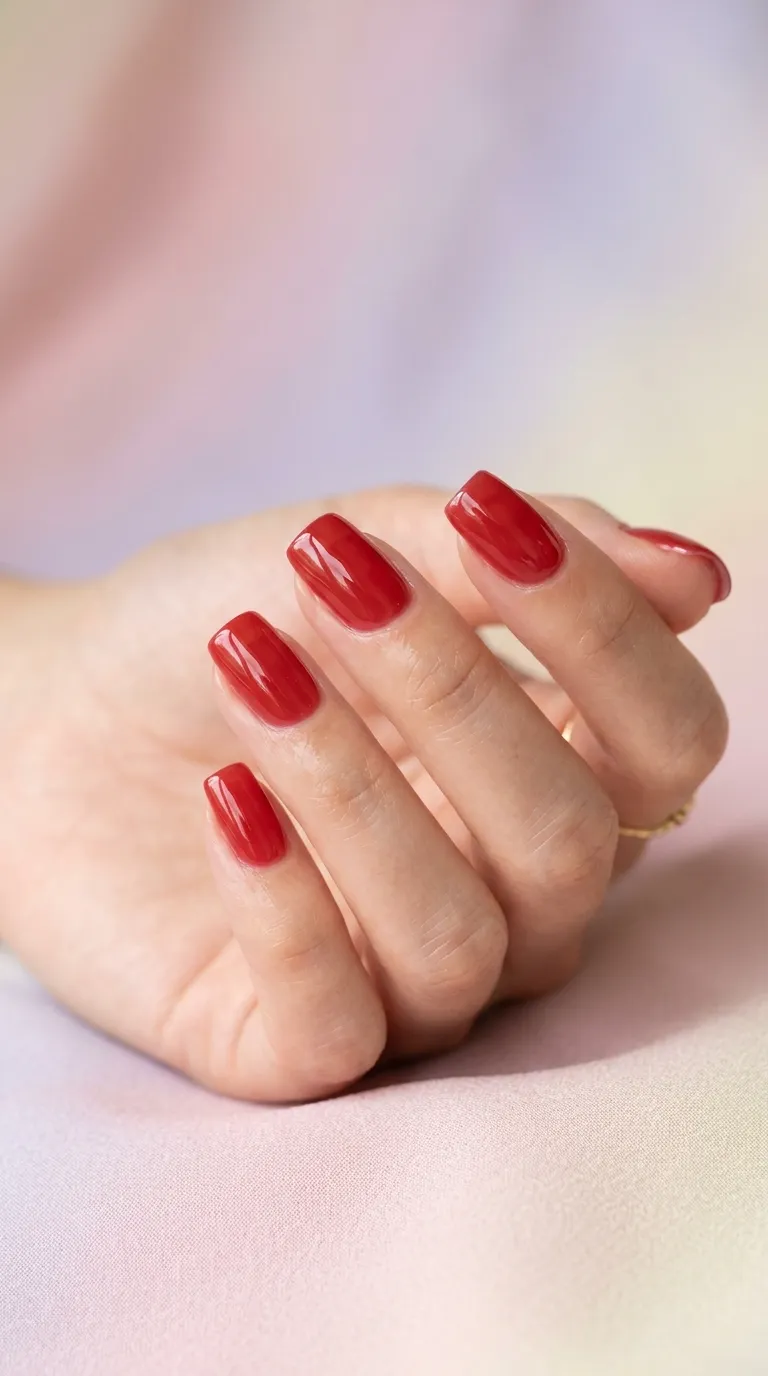
Deep, syrupy reds with a slight brown undertone read as “cola bottle” candy and are one of the most requested gummy nail looks for fall and winter appointments. They photograph beautifully against warm skin tones and pair well with gold jewelry.
Amber and Honey Tones
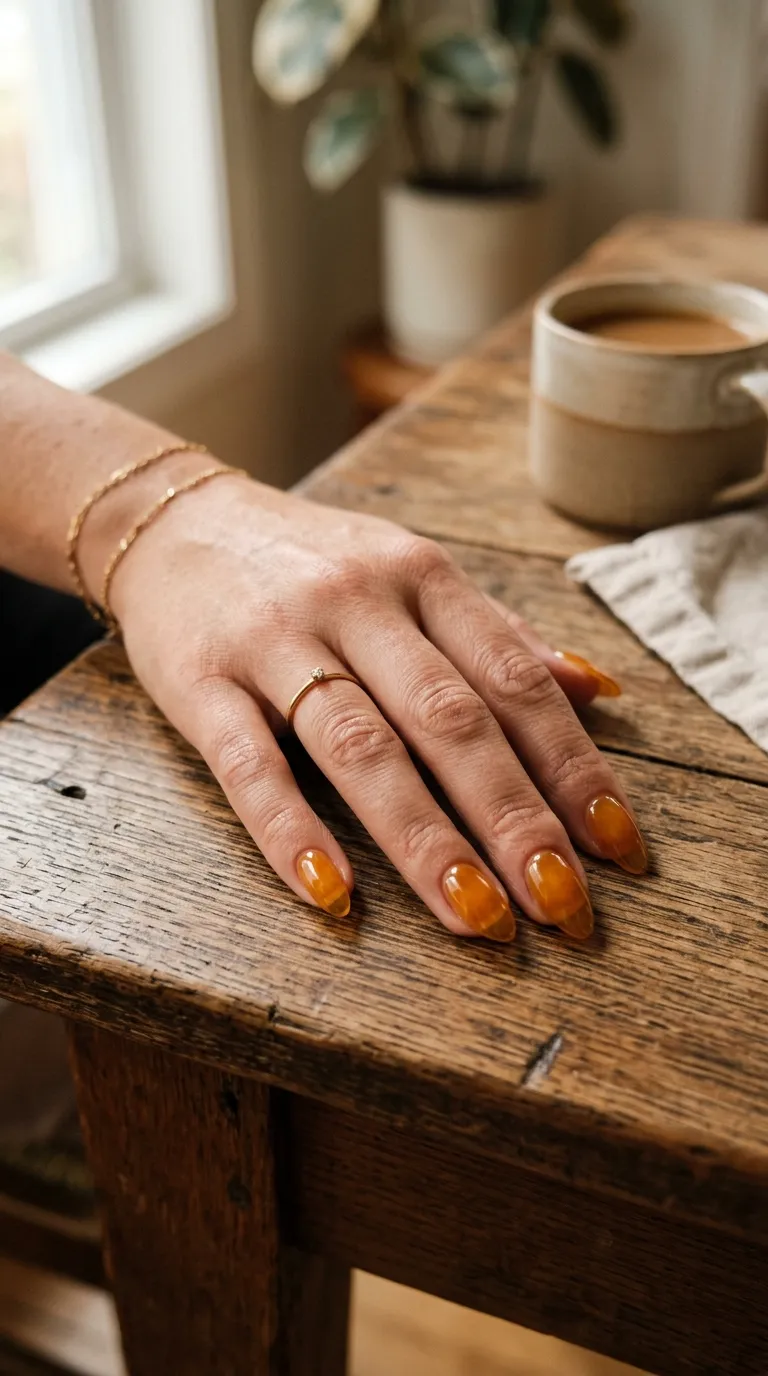
A warm amber gummy set mimics the classic gummy bear shade almost exactly. This is a popular choice for clients who want something office-appropriate but still clearly part of the trend.
Grape and Berry Purples
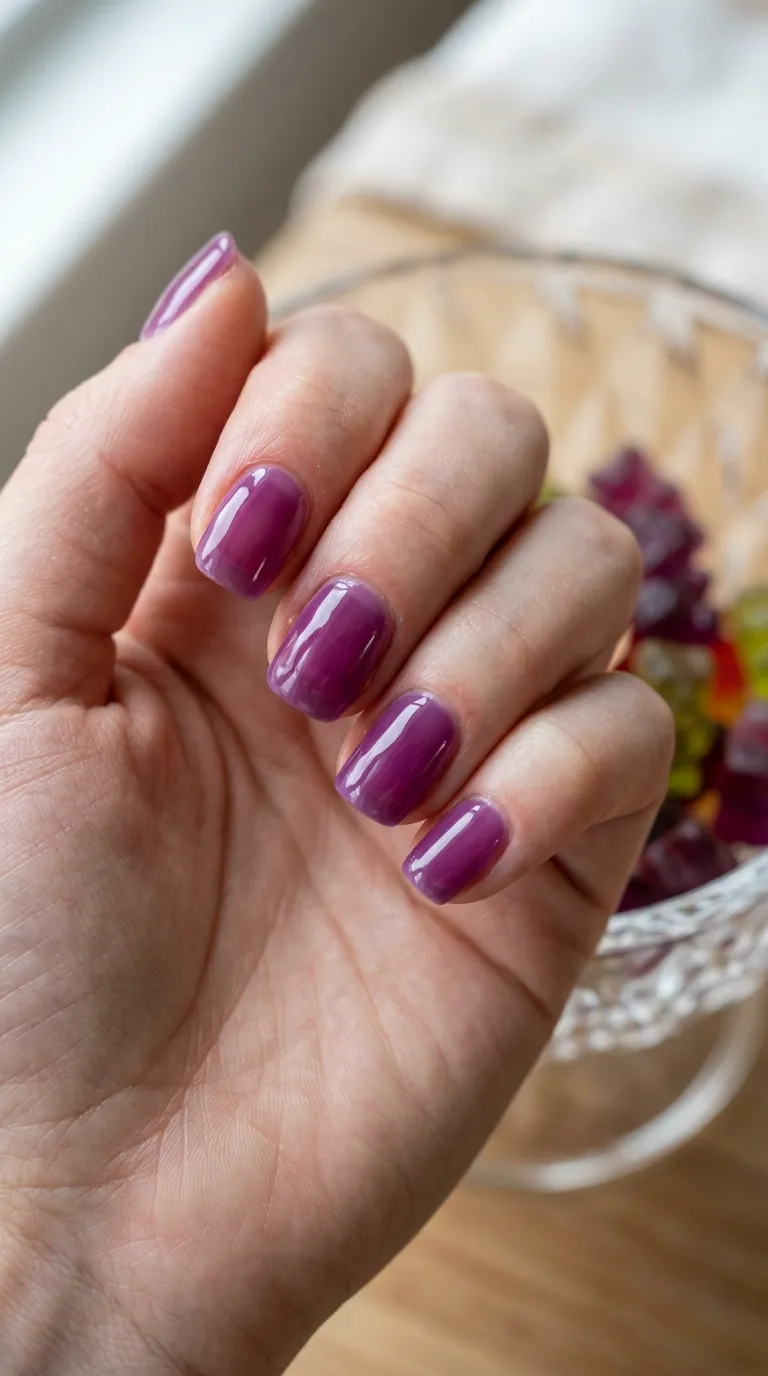
Rich purples with a slightly translucent build create a grape-soda effect that looks especially striking on medium to long almond nails.
Lime and Green Apple
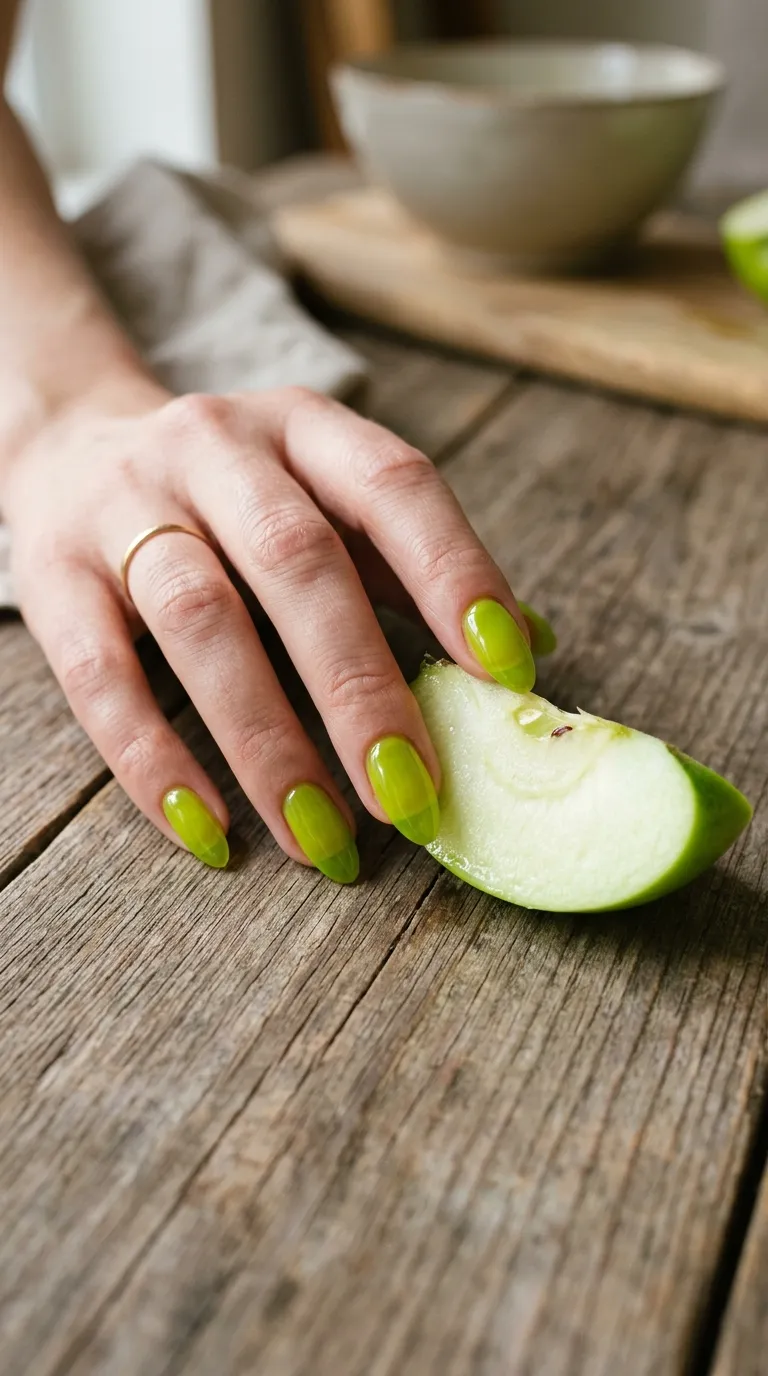
A brighter, punchier option for spring and summer bookings, green apple gummy nails tend to be requested most often by clients under 25, according to salon booking data widely cited by nail industry publications.
Mixed Bear Sets
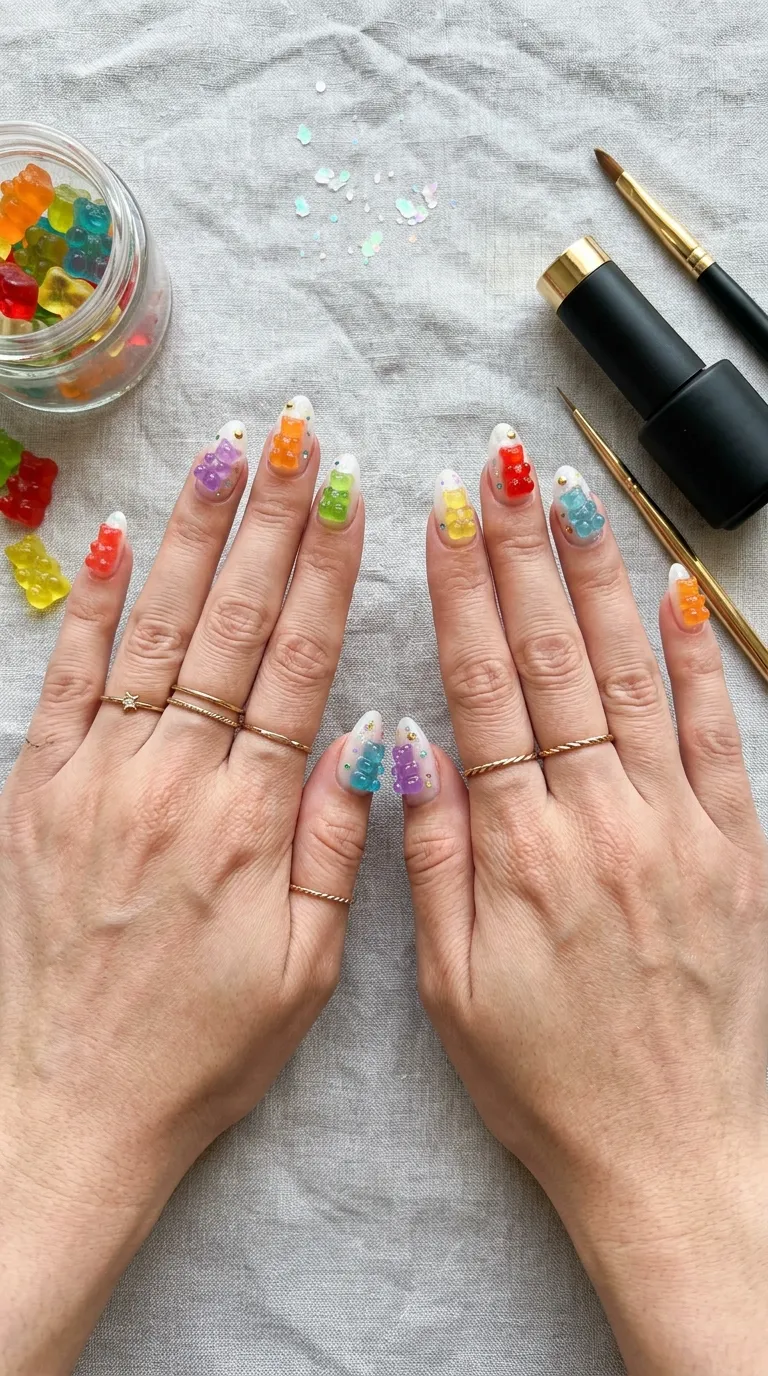
Instead of committing to one color, some clients request a different gummy shade on each nail, mimicking a handful of assorted gummy bears. This variation has become especially popular for bachelorette parties and birthday appointments.
How to Ask for Gummy Nails at the Salon
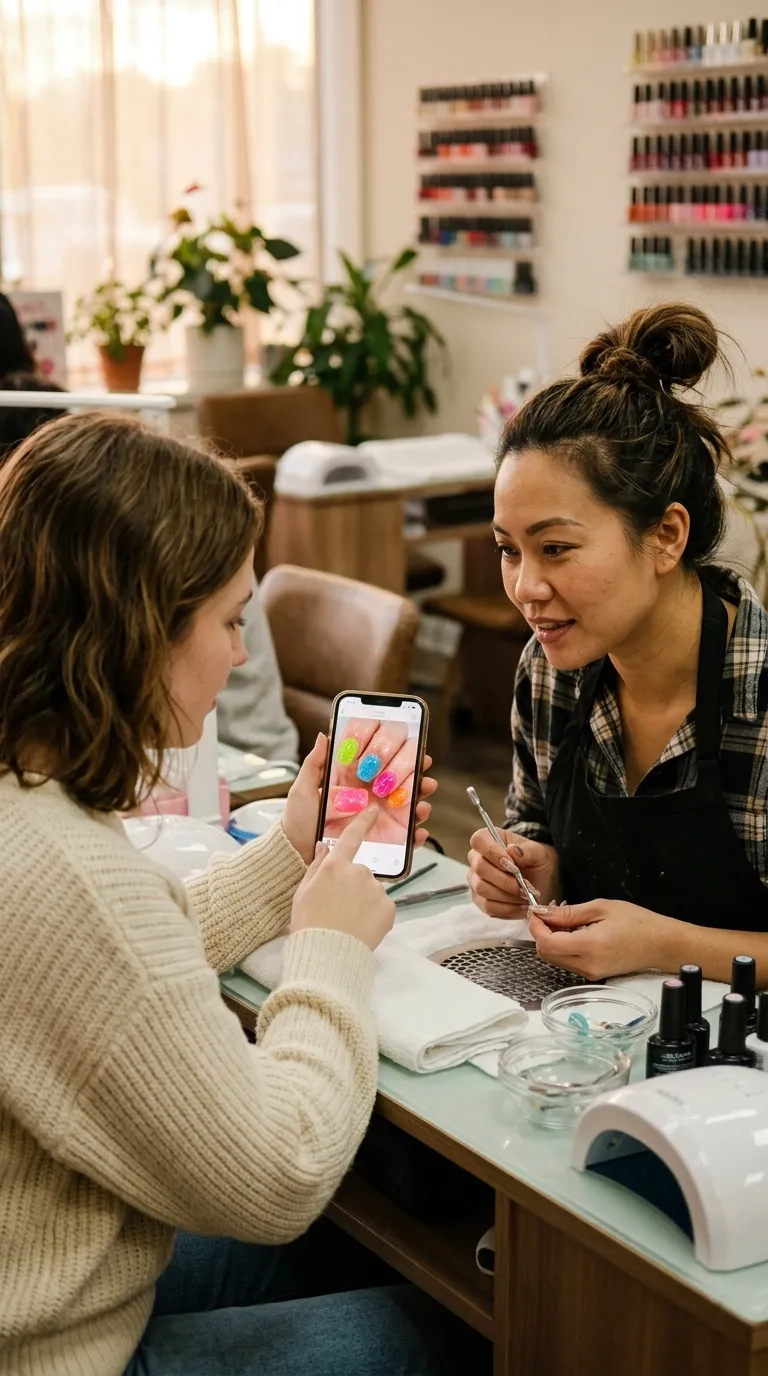
Because gummy nails are still a relatively new term for many technicians outside major cities, it helps to bring reference photos and be specific about what you want. Say clearly that you are looking for a “3D built gummy nail,” not a standard gel polish color, and mention that you want visible dimension and a domed, glassy top coat. If your tech is more familiar with the jelly nails trend, clarify that you want more depth and saturation than a sheer jelly finish, and that you are not looking for a chrome or glazed effect either.
Expect the appointment to take longer than a standard manicure. Building genuine dimension with gel takes additional curing time between layers, so budget for 90 minutes to two hours depending on nail length and how saturated you want the color to be.
At-Home Alternatives
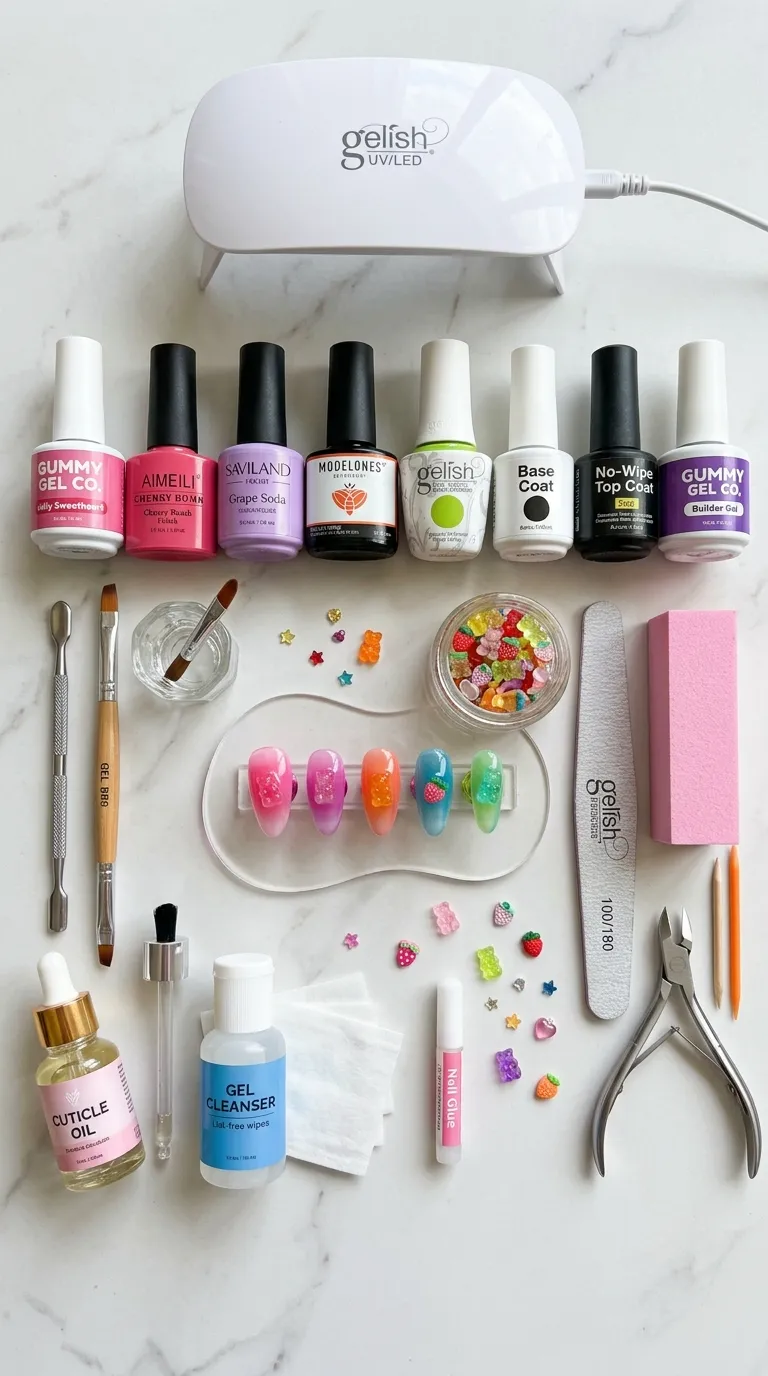
If you are not ready to commit to a salon appointment, a simplified at-home version is achievable with thick-formula gel polishes and multiple cured layers, though you will not get quite the same dramatic dome without professional builder gel. Press-on sets designed to mimic the gummy nail look have also started appearing from several indie nail brands, offering a lower-commitment way to test the trend before booking an in-person appointment.
Gummy Nails and Nail Health: What to Know Before You Book
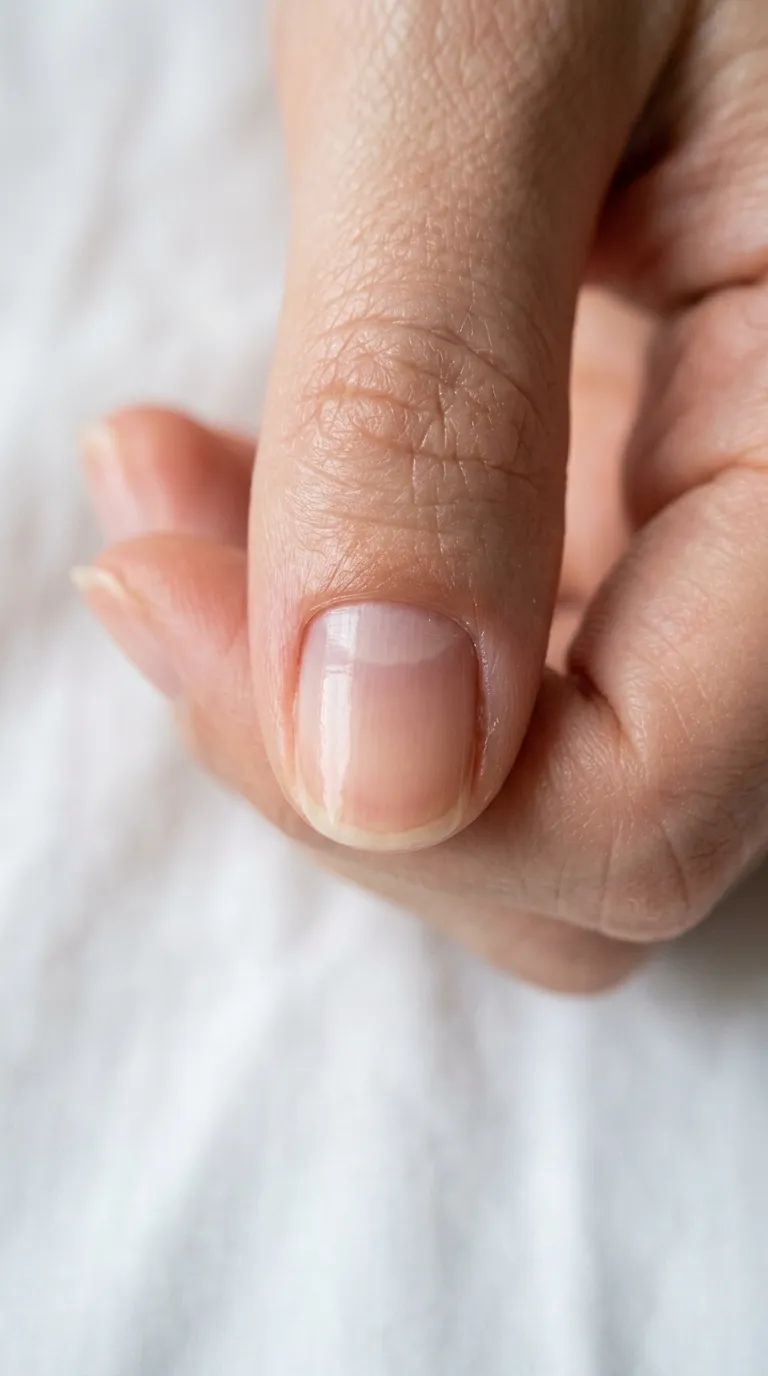
Because gummy nails involve more product buildup than a standard manicure, proper removal matters. Never pick or peel a gummy gel set off, since the extra layers make this more likely to damage the natural nail plate underneath. Always have builder gel professionally soaked off or filed down by a technician. If you plan to maintain the look long-term, ask your salon about fill schedules — because of the added dimension, this technique often show growth lines a little faster than flat gel polish, so many clients book fills every two and a half to three weeks rather than the standard three to four.
How Gummy Nails Fit Into the Bigger 2026 Nail Trend Landscape
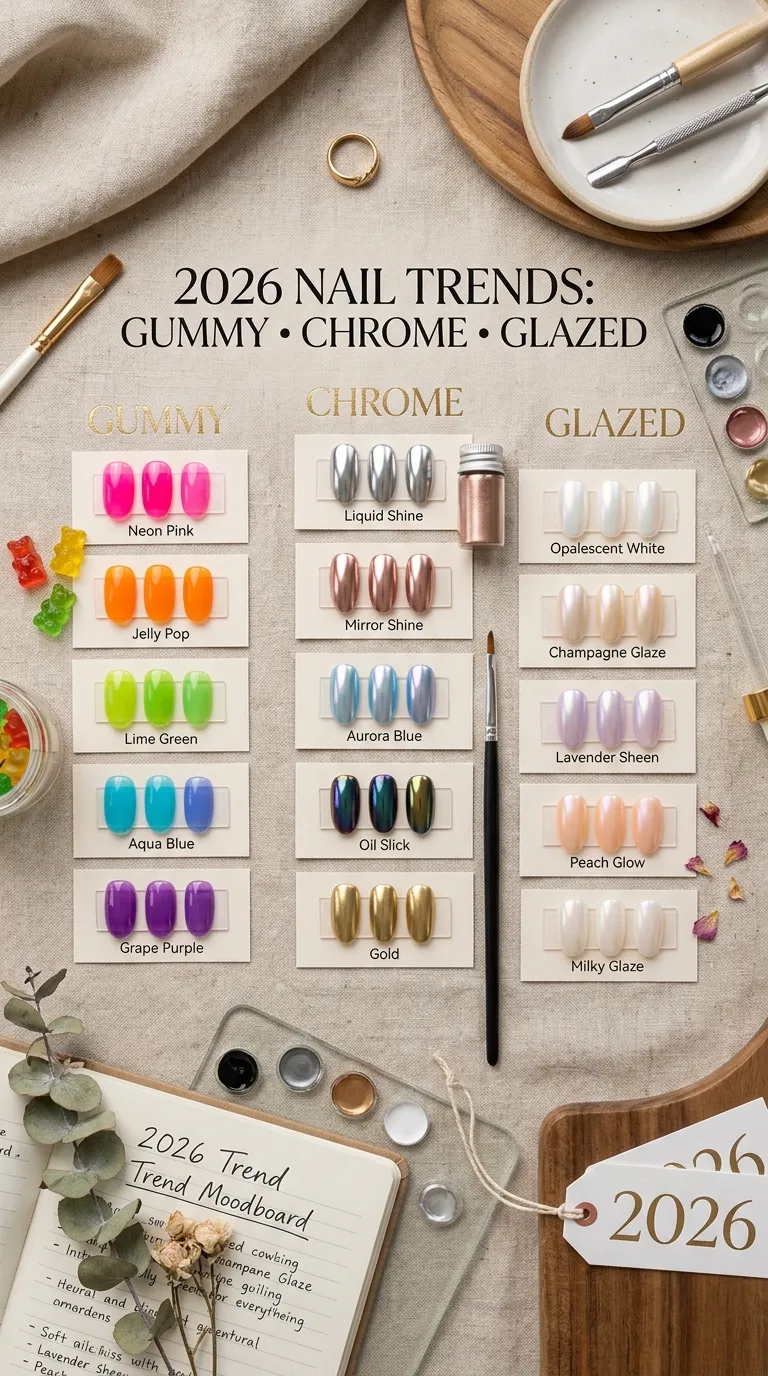
Gummy nails sit at an interesting intersection point this year. They share DNA with the broader jelly and glazed nail movements that have dominated recent seasons, but they also connect to the return of maximalism and textured nail art after years of minimalist “your nails but better” looks. If you have enjoyed browsing this season’s fall nail inspiration or the syrupy, glossy finishes featured in our syrup nails roundup, the design are a natural next step, since they combine that same love of shine and dimension with a more playful, candy-coded color story.
It is also worth noting how gummy nails differ in longevity and upkeep from other glossy trends. Where glazed and chrome finishes rely on powder pigments dusted over a base, this trend are built into the gel itself, meaning the dimensional effect does not wear away the way a chrome finish can start to look patchy after a week. This has made the look a favorite among nail artists who want a trend-forward look that still holds up well between fills.
Frequently Asked Questions About Gummy Nails
Are gummy nails the same as jelly nails?
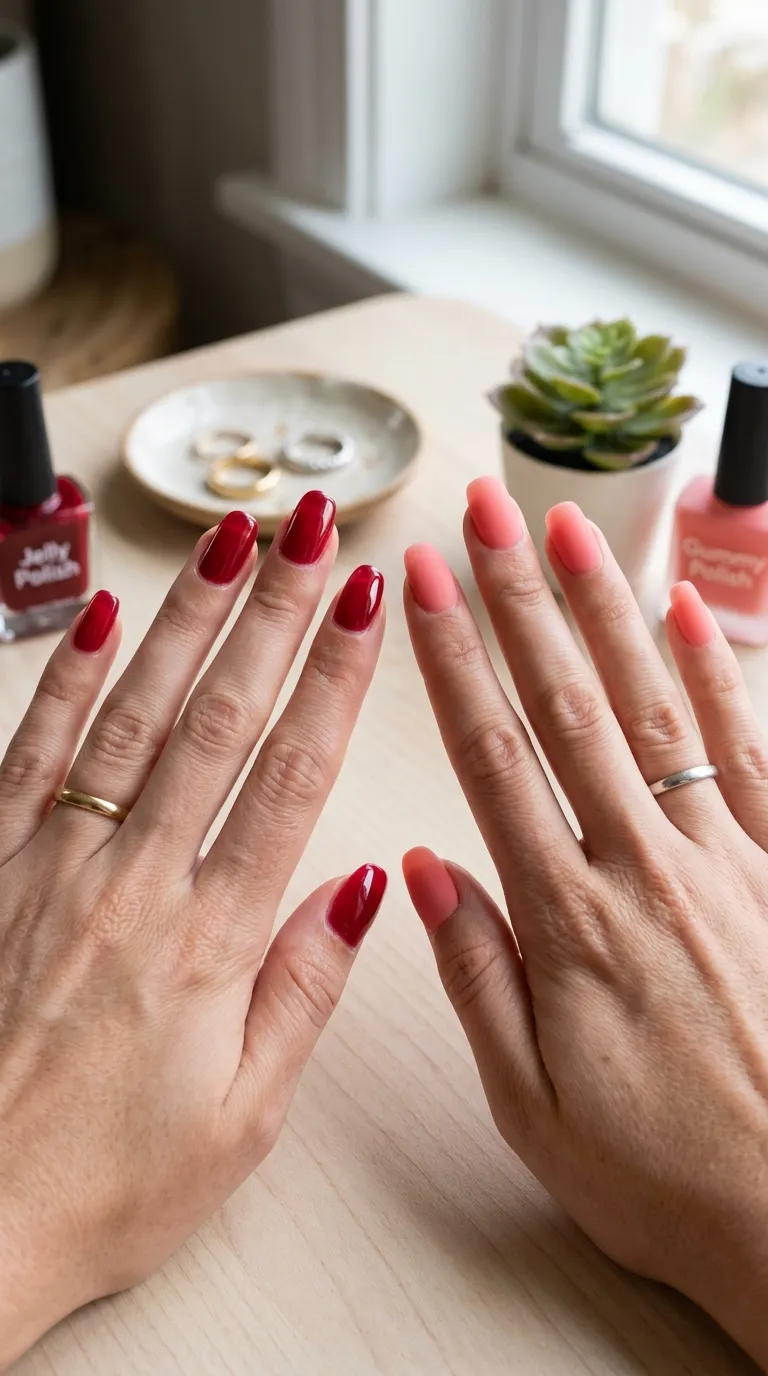
No. Jelly nails are a sheer, translucent polish finish where the natural nail bed shows through and the surface stays flat. this look are built up in dimensional gel layers to create a rounded, 3D, candy-like surface with much more depth and saturation.
How long do gummy nails last?
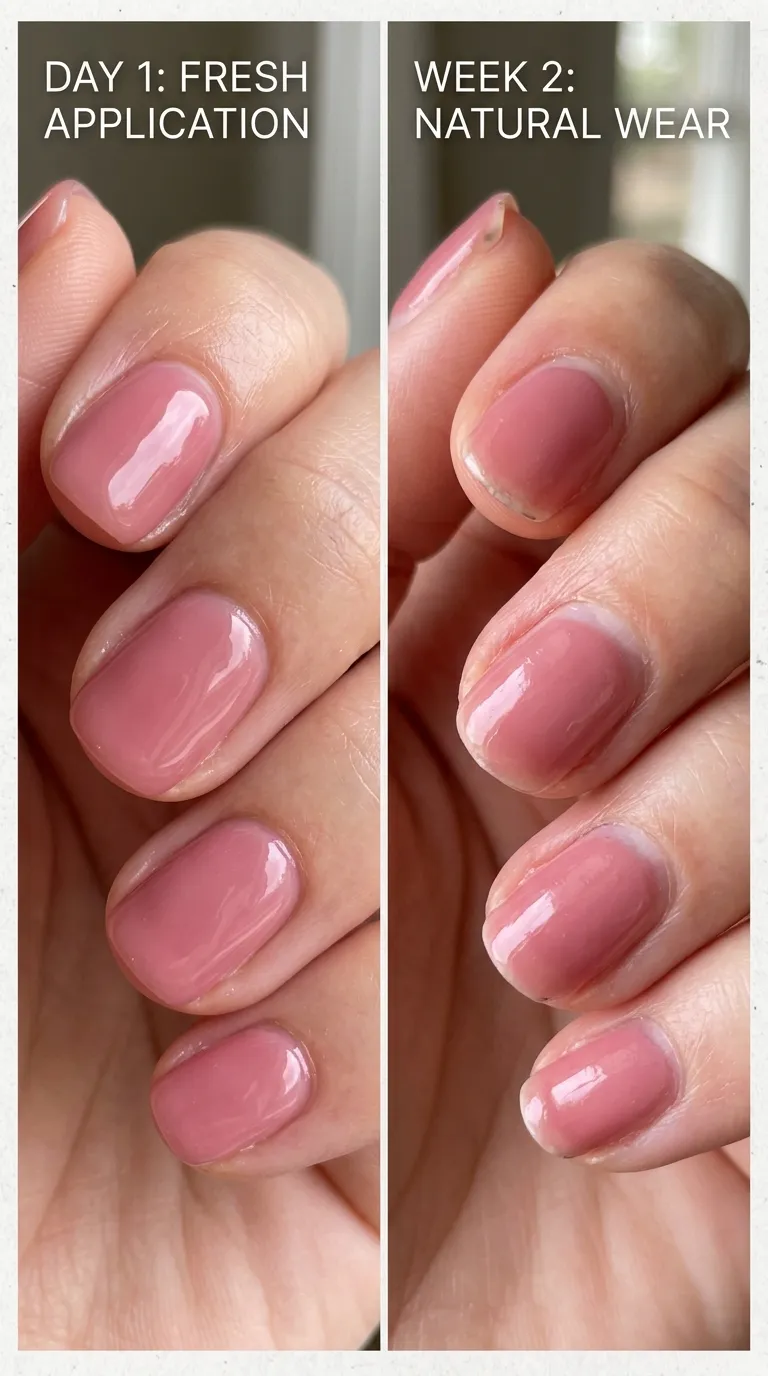
With proper application and care, a gummy nail gel set typically lasts three to four weeks before a fill is needed, similar to standard gel manicures, though many clients choose to fill slightly earlier because of the visible dimension at the cuticle line.
Do gummy nails damage your natural nails?
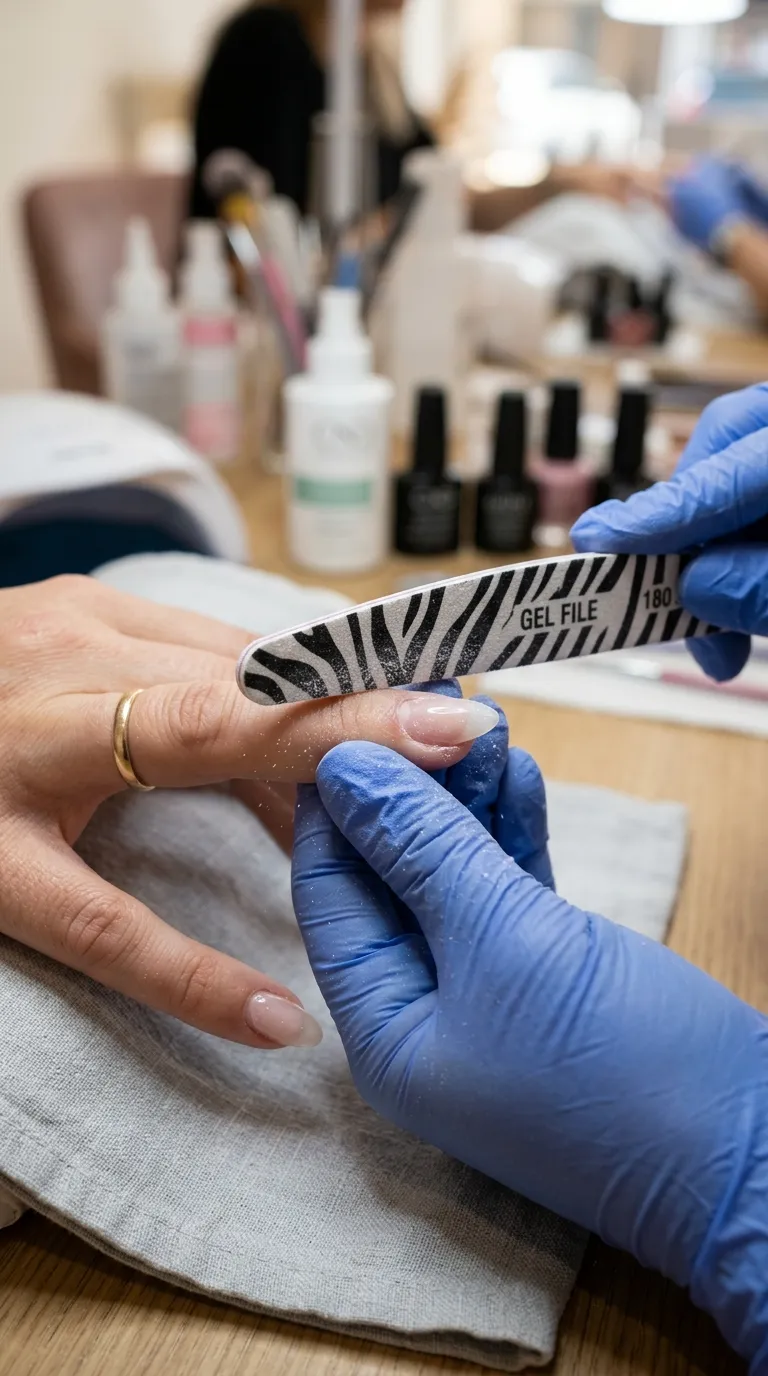
Gummy nails themselves are not inherently more damaging than any other gel manicure, provided they are applied and removed correctly by a trained technician. The risk comes from improper removal, such as picking or peeling the gel off, which can strip layers of the natural nail plate.
Can I get gummy nails done at home?
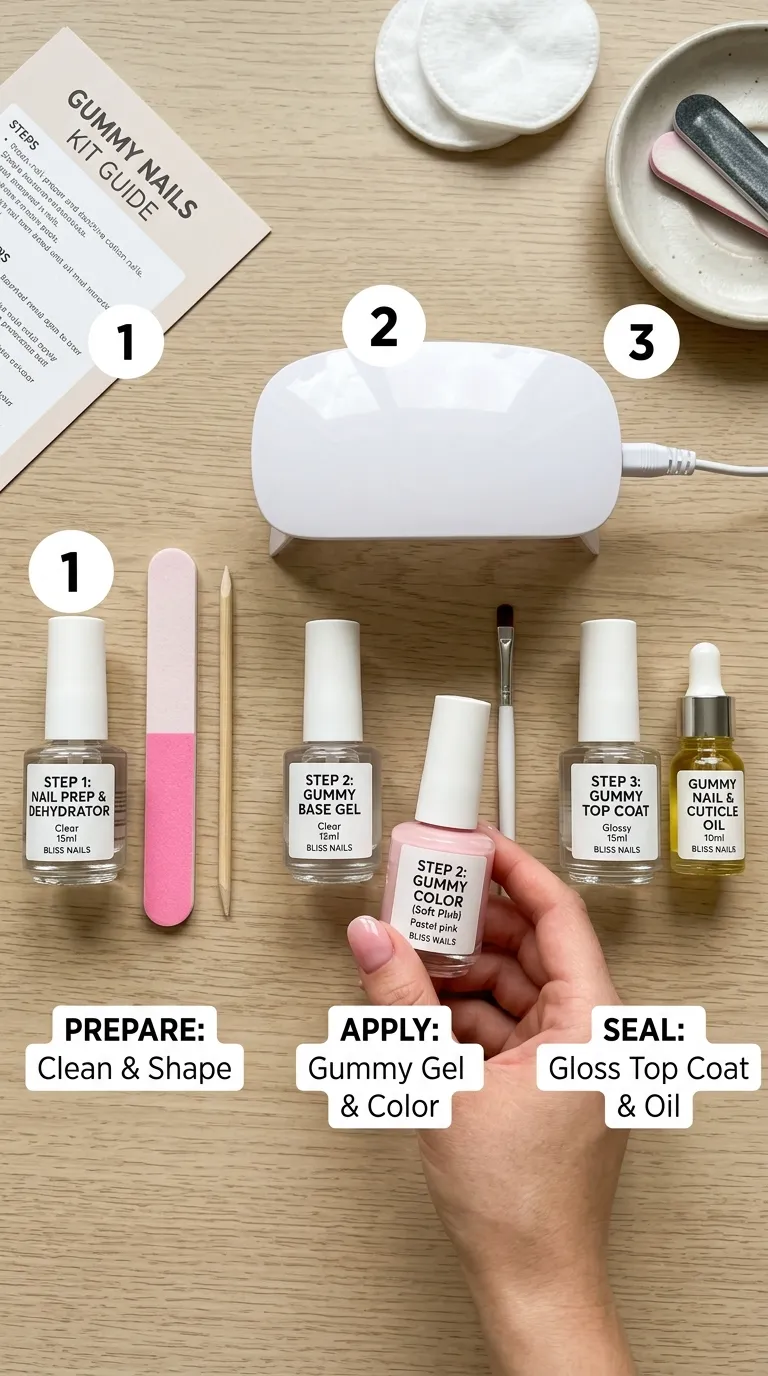
A simplified version is possible using thick gel polish formulas built up in multiple cured layers, though achieving the dramatic dome effect typically requires professional builder gel and technique. Press-on sets inspired by the trend are also available for a lower-commitment option.
What nail shape works best for gummy nails?
Almond and soft square shapes tend to showcase the dimensional, domed effect most naturally, since the rounded silhouette complements the gel building. Longer shapes like coffin can also work with careful sculpting.
How much do gummy nails cost?
Because the trend require additional time for gel building and curing, expect pricing to run somewhat higher than a standard gel manicure, often reflecting the extra 30 to 60 minutes of appointment time involved.
Whether you come to this style through the Pinterest trend reports, a scroll-stopping video, or simply because you miss the tactile fun of Y2K jelly accessories, the trend has real staying power heading further into 2026. It rewards a good nail artist’s skill, it photographs beautifully, and unlike a lot of internet nail trends, it genuinely looks different in person than a flat polish ever could.
Where the Look Came From: A Short History
Long before Pinterest gave it an official name, the seeds of this style were visible in Korean and Japanese nail salons, where sculpted, high-shine gel work has been a specialty for years. Builders in Seoul and Tokyo were experimenting with layered, dome-shaped gel long before the candy comparison caught on in Western social media feeds. What changed in early 2026 was the framing: creators started explicitly comparing the finish to gummy bears and jelly candy, and that single reframing made the technique instantly shareable in a way that “3D gel sculpting” on its own never quite managed. Suddenly a niche, skill-heavy salon technique had a name anyone could picture immediately, and search interest followed.
It is a useful reminder that a lot of viral beauty moments are less about a brand-new invention and more about the right cultural label landing on an existing skill at the right moment. Nail artists who had been quietly building dimensional gel sets for clients for a year or two suddenly found themselves fielding a wave of new booking requests, all using the same candy-coded vocabulary.
Styling the Look Across Different Lengths and Occasions
Because the appeal leans so heavily on shine and dimension, length changes the effect quite a bit. On short and medium nails, the domed, candy-like quality reads as playful and low-maintenance, which is why it has become a popular choice for everyday wear rather than a special-occasion-only style. On longer almond or coffin shapes, the same technique creates a more dramatic, glass-like sculpture effect, often favored for events, photoshoots, or simply for clients who already wear extensions regularly.
Seasonally, the deeper cola and berry tones tend to dominate fall and winter bookings, echoing the same cozy, saturated palette showing up across fall nail inspiration more broadly this year, while the brighter citrus and green apple shades pick up in spring and summer. A number of clients also request a French-adjacent take, pairing a clear or nude gummy base with a saturated tip, though this is a distinct variation from the ultra-thin hairline style covered separately on this site.
Choosing a Nail Artist Who Can Actually Execute the Technique
Because dimensional gel building requires more precision than a flat polish application, not every technician will be equally comfortable with the request. When researching a salon, look for portfolio photos taken in raking or side light, which shows off the actual dome and dimension rather than just a flat, top-down shot. A flat photo can make almost any glossy manicure look similar, but a side-angle shot will immediately reveal whether the artist actually built up the layered, rounded shape that defines this style or simply applied a shiny, saturated polish color.
It is also reasonable to ask directly during a consultation whether the technician has built dimensional or sculpted gel sets before, since the skill overlaps more with acrylic and hard gel extension work than with a standard polish change. A tech experienced in nail extensions or competition nail art will typically have an easier time delivering the rounded, candy-like finish than one who exclusively does polish changes.
Budgeting Time and Money for Your First Appointment
First-time clients are sometimes surprised by how much longer this style takes compared to a routine polish change. Because the dimensional shape has to be built layer by layer, with proper curing between each pass, technicians usually need extra chair time to get the proportions right, especially around the cuticle and sidewalls where the dome needs to blend smoothly into the natural nail. Rushing this stage is the most common reason a set ends up looking bulky or uneven rather than glassy and rounded, so a slightly longer appointment is generally a sign of a careful technician rather than a slow one.
Price will vary by region and salon tier, but it is reasonable to expect to pay somewhat more than a standard full set given the additional skill and time involved. Many clients find the added cost worthwhile once they see how the finished dimensional shape catches light compared to a flat polish coat, and the compliments tend to follow almost immediately once the set is finished and photographed in natural daylight.
Common Mistakes That Ruin the Effect
The single biggest mistake is impatience during the building stage. Skipping proper cure time between layers, or trying to shortcut the sculpting process, almost always results in a lumpy, uneven surface instead of a smooth dome. A rushed application also tends to trap air bubbles under the top layer, which flattens the glassy shine that makes the whole look work in the first place.
Another frequent misstep is choosing a top coat that is not glossy enough. Even a beautifully sculpted, dimensional base will read as an ordinary colored manicure under a satin or matte finish, since the reflective quality of the top layer is what sells the illusion of a squishy, candy-like surface. If in doubt, always ask specifically for a high-shine, glass-like finish rather than assuming the standard salon top coat will deliver the same effect.
Finally, going too thick too quickly at the free edge can make the tip look clunky rather than rounded. Skilled technicians taper the buildup so the thickest part of the dome sits closer to the center of the nail, tapering out toward the edges, which keeps the proportions looking intentional rather than accidental.

Compare Before You Choose
See the Closest Alternatives
Compare nearby shapes, colors and finishes before picking a final reference.
Recommended Next