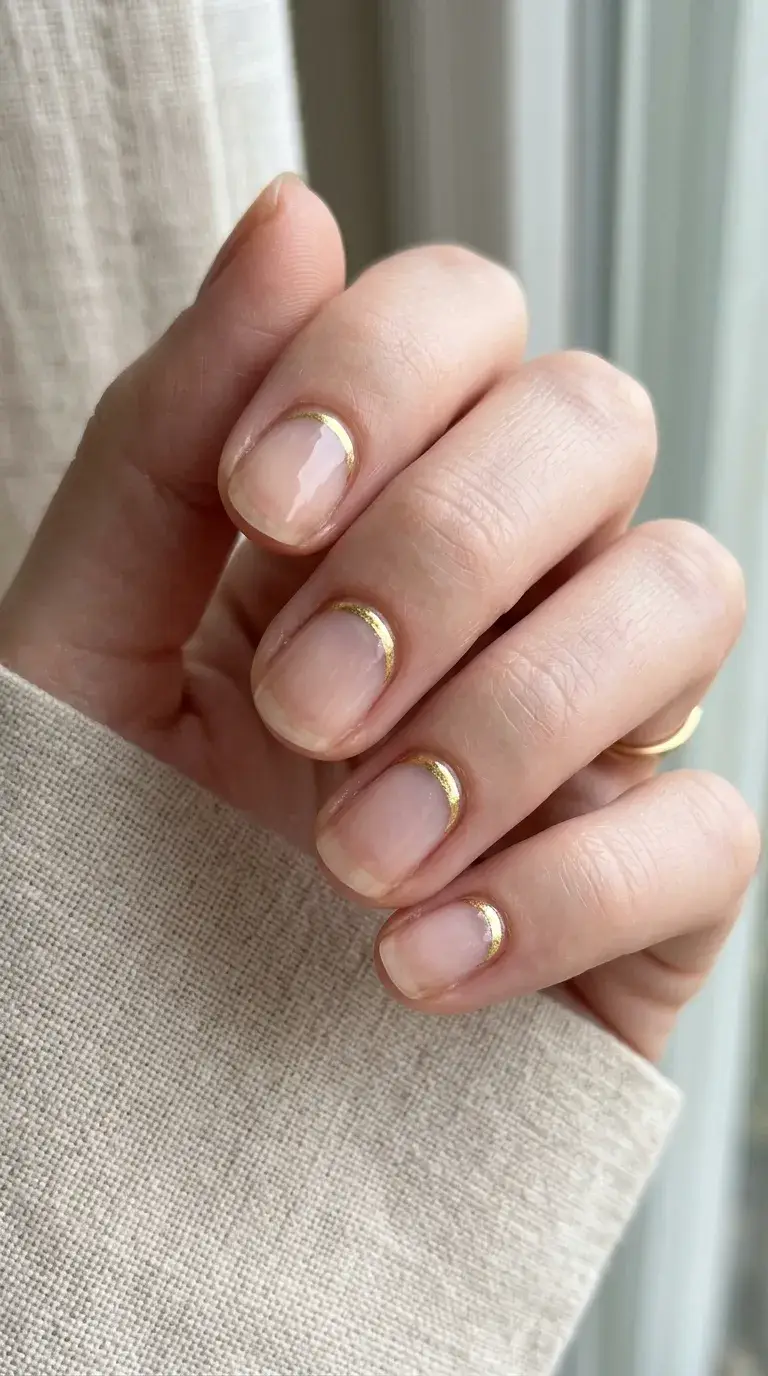
Reverse french nails flip the most classic manicure in nail history and somehow make it feel brand new. Instead of painting the tip, the color goes at the base of the nail — and after Cardi B wore a gold version to the Super Bowl, searches for the look spiked over 100% and haven’t really slowed down since. If you’re bored of the standard white-tip look but not ready to abandon it completely, reverse french nails are the upgrade worth trying in 2026.
What Are Reverse French Nails?
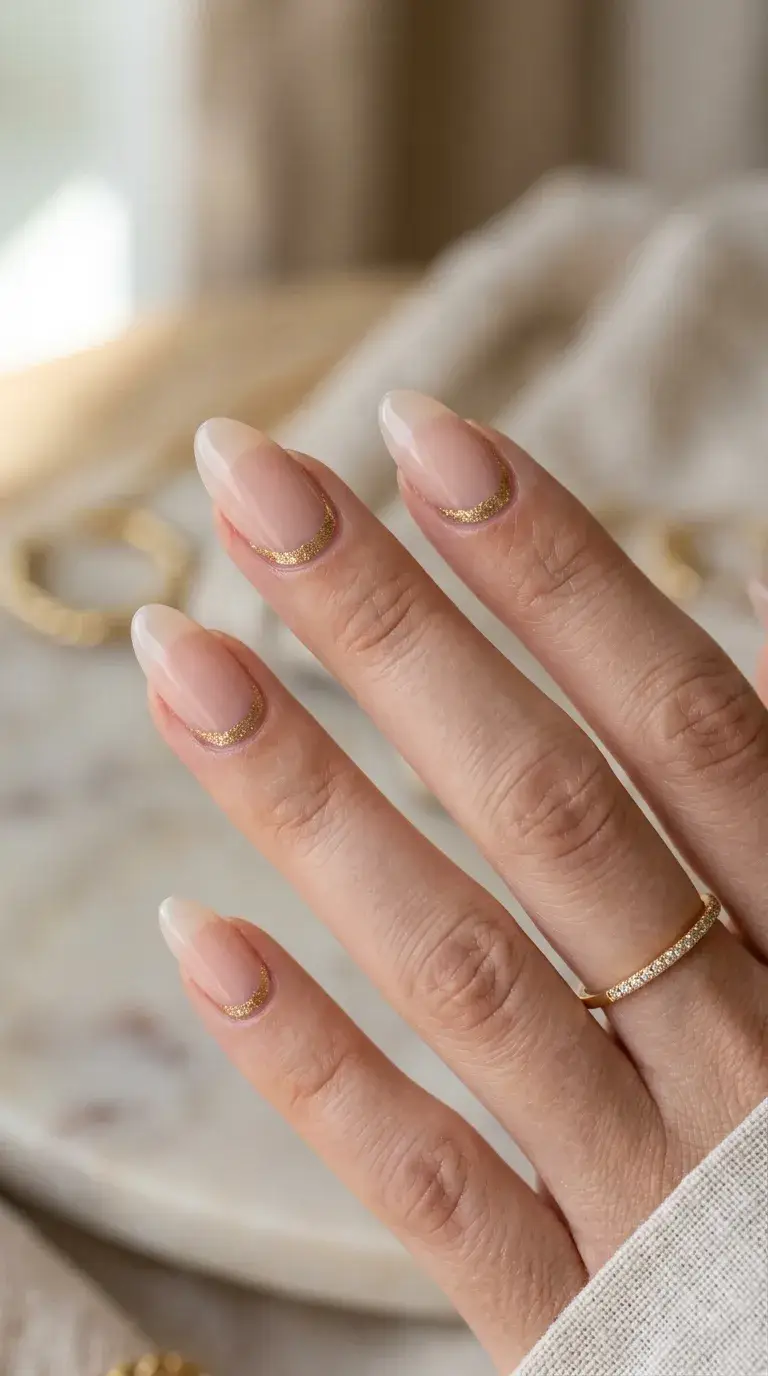
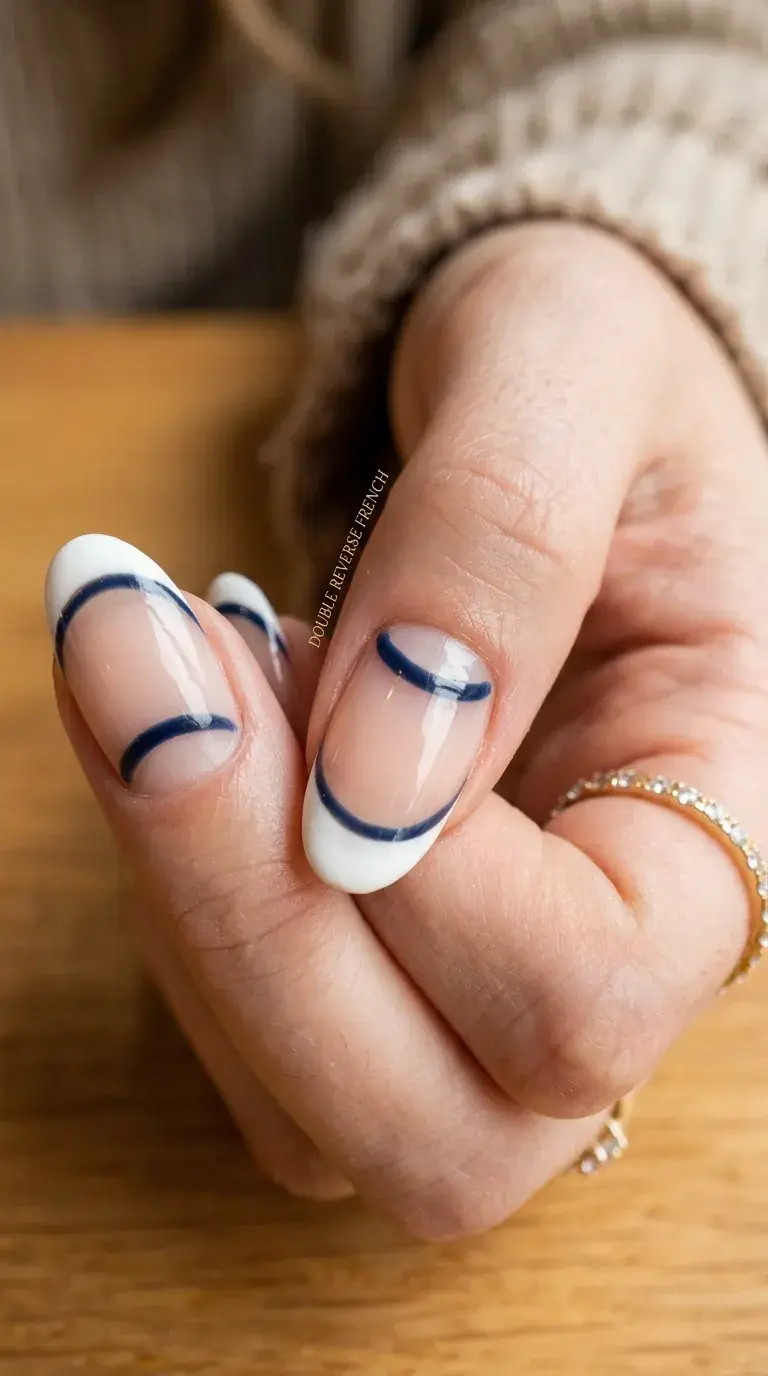
A reverse french manicure takes the traditional tip style — a colored line at the top of the nail — and moves it to the cuticle instead. Some nail artists call this a “nail cuff” or “half-moon” manicure, since the shape mimics an old-school half-moon mani but sits closer to the base. The rest of the nail stays a sheer, nude, or single solid color, so all the visual interest happens right at the cuticle line. It’s a small structural change that completely shifts how the manicure reads: less “classic bridal French,” more editorial and intentional.
Why Reverse French Nails Are Trending in 2026
this style aren’t new — nail artists have played with base-of-nail color for years — but the current wave has real momentum behind it:

- A major celebrity moment. Cardi B’s nail artist flipped the classic tip style for her Super Bowl look in February 2026, turning the gold tip so it curved around the cuticle instead. That single look drove a well-documented spike in search interest that’s held steady into summer.
- It’s easier on shorter nails. Unlike a traditional tip style, which needs enough length to create a clean white line, reverse french nails actually look more proportional on short and medium nails.
- The regrowth is more forgiving. Because the color sits at the base instead of the tip, using a sheer or nude shade at the cuticle means the grow-out is far less noticeable than with a standard French manicure.
- It fits the current “quiet luxury with an edge” mood. The look keeps a manicure feeling minimal and intentional while still including a design detail, which matches where a lot of 2026 nail trends are headed.
The Best Reverse French Nail Designs
this manicure work in almost any color combination, but a few variations are getting the most saves this year.
Gold Reverse French
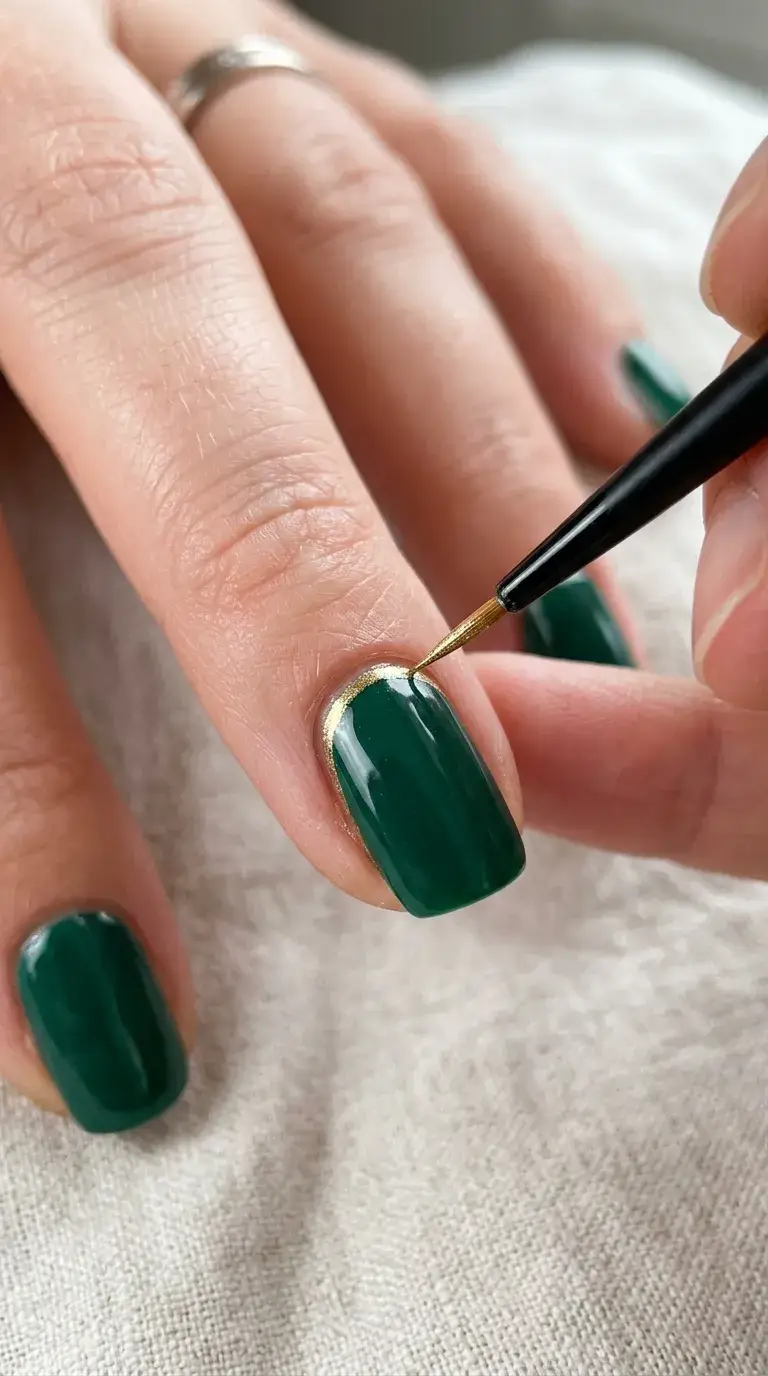
The Cardi B-inspired original: a metallic gold cuticle line over a bare or blush nail. It reads as jewelry for your hands, which is exactly the effect it’s going for.
Micro Reverse French
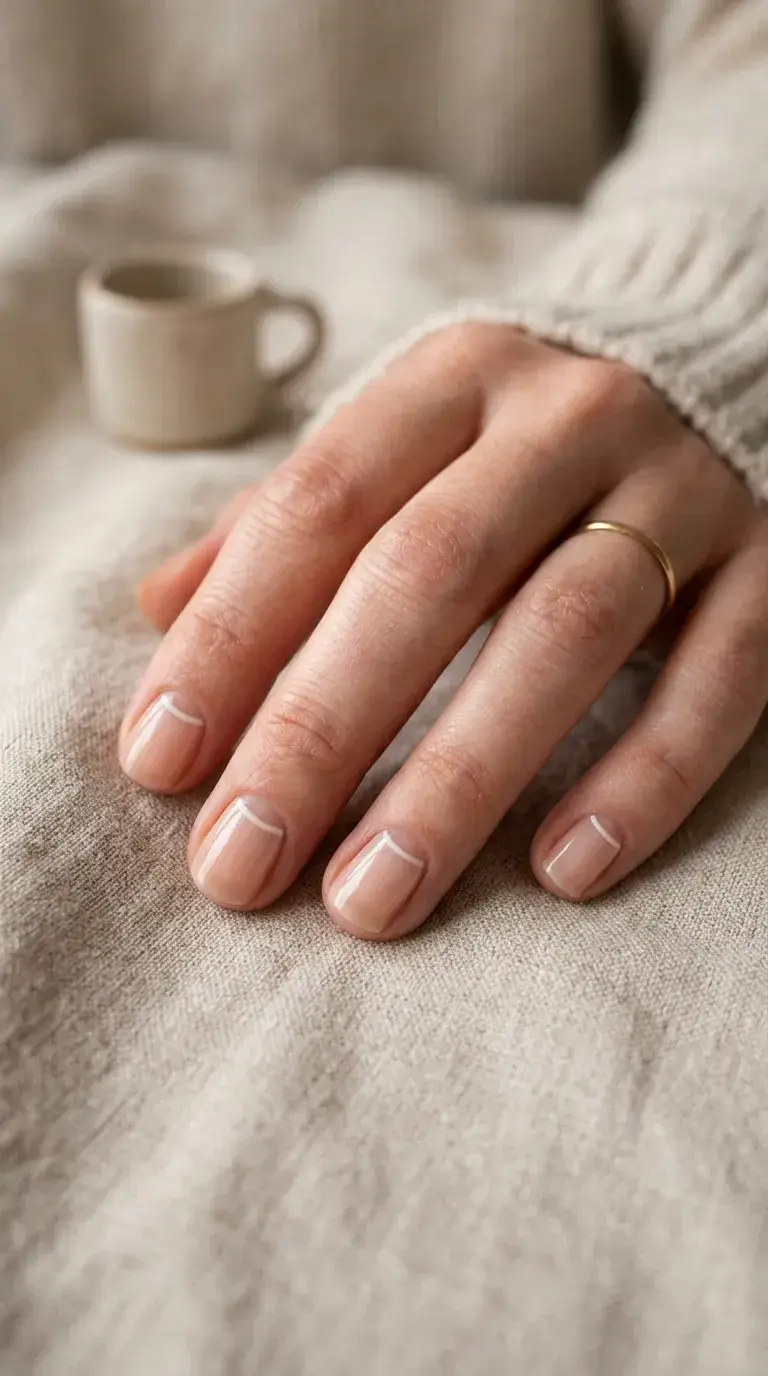
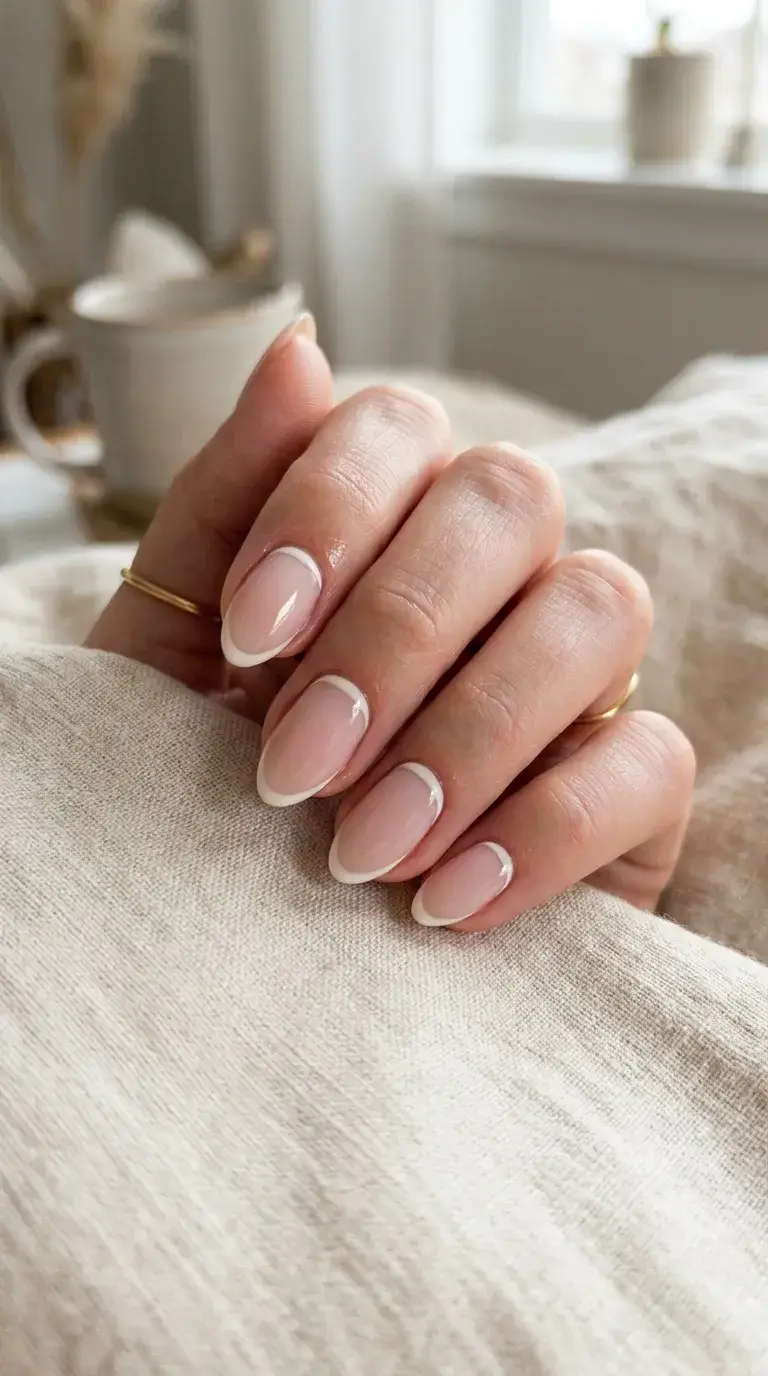
A super-thin, barely-there line at the cuticle in a color close to the nail bed. This version leans into the quiet-luxury mood and works especially well on short, natural nails where a bold cuticle line would feel too heavy.
Color-Pop Reverse French
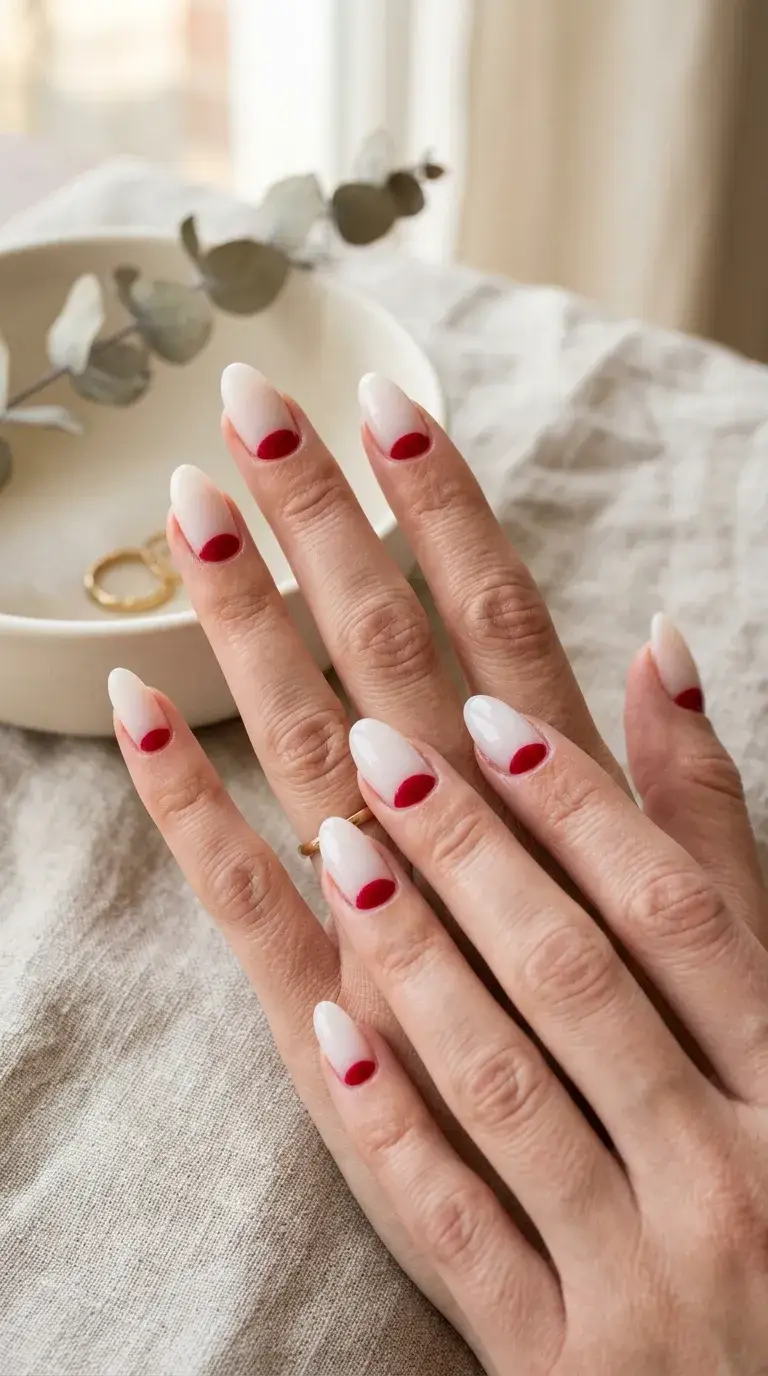
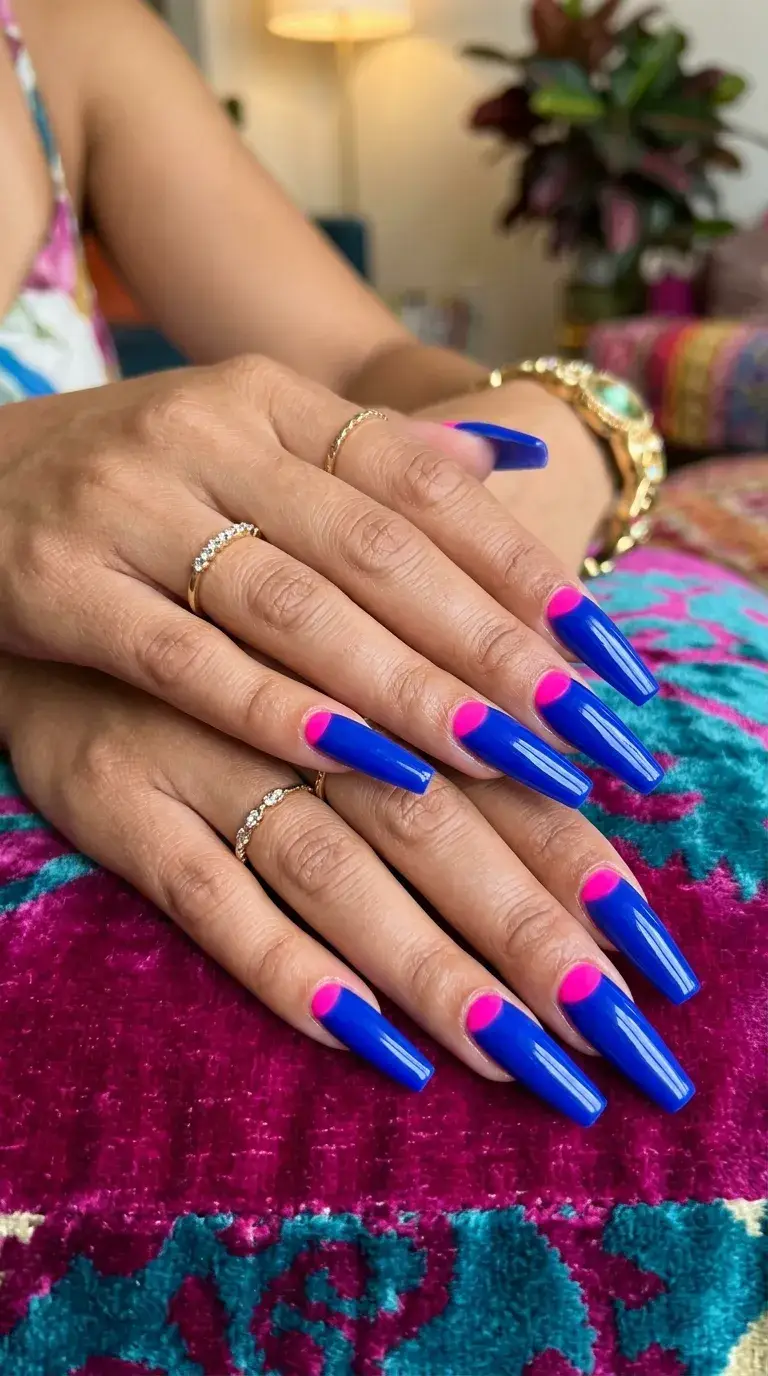
Instead of gold or nude, use a saturated color — cherry red, cobalt, or emerald — against a sheer or milky base. The contrast makes the cuticle line the focal point of the entire manicure.
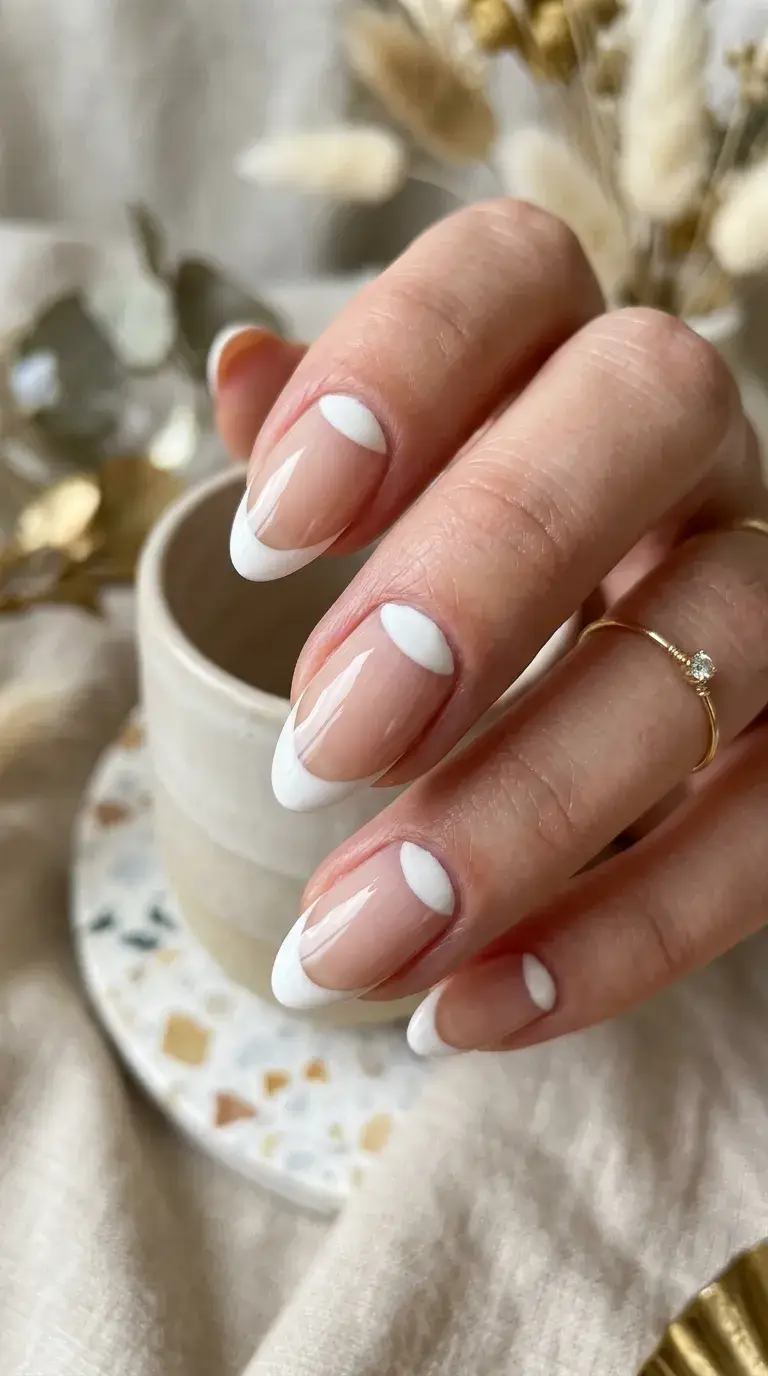
Reverse French with Negative Space
Leaving a sliver of bare nail between the cuticle line and the polished part of the nail combines two of 2026’s biggest techniques — reverse French and negative space — into one design. It reads as more advanced and editorial than a standard reverse French.
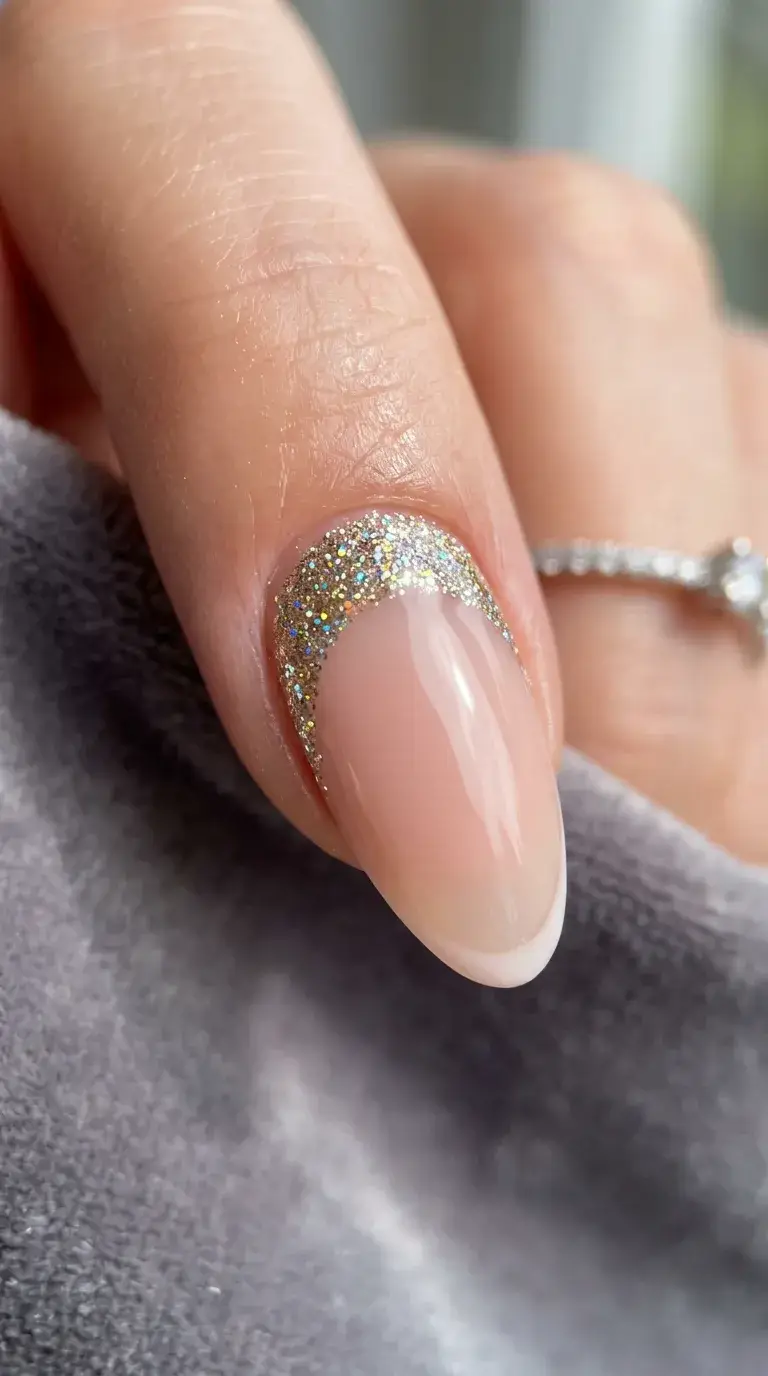
Glitter Cuticle Cuff
Swapping a solid color for fine glitter at the base gives the manicure extra dimension without needing a full glitter set. It’s a good middle ground for anyone who wants sparkle but not an all-over glitter manicure.
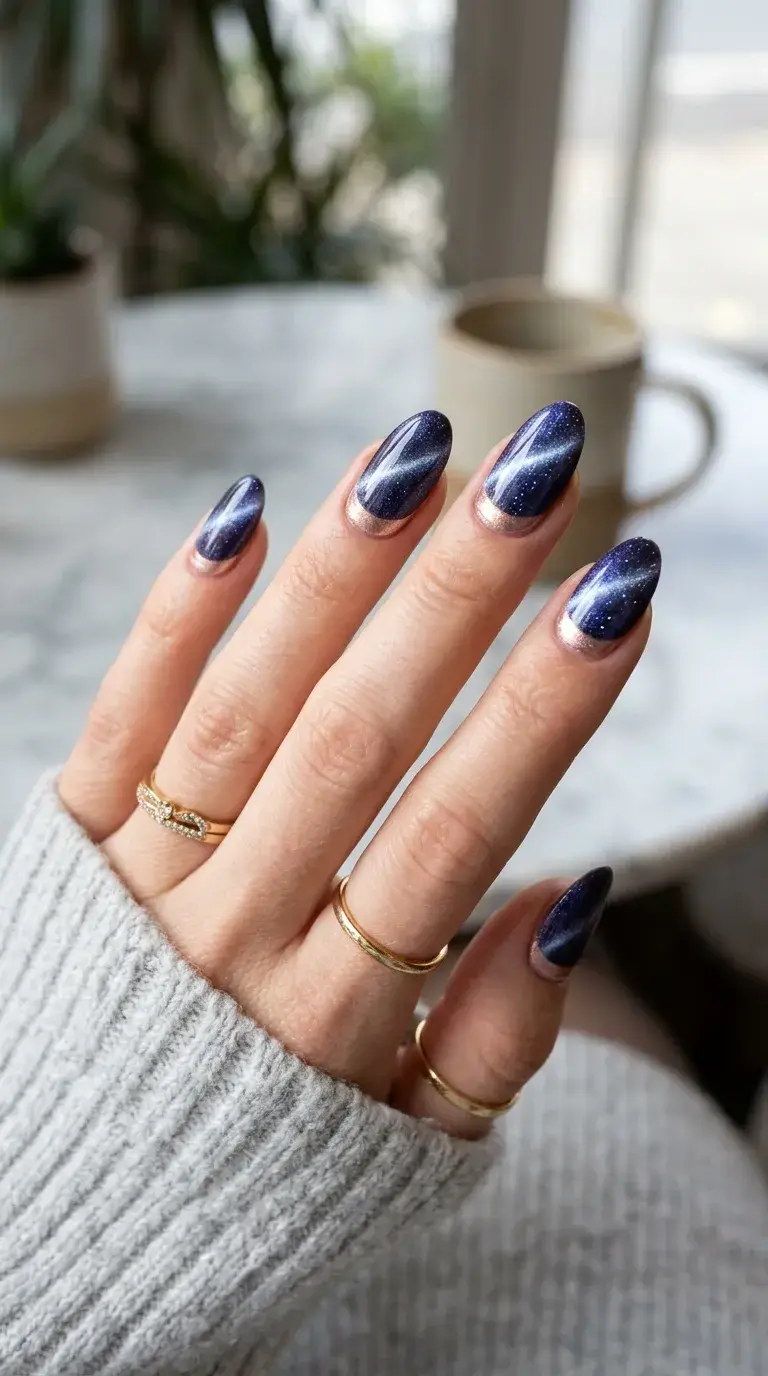
Reverse French with Cat Eye Finish
Using a magnetic cat-eye polish for the cuticle line instead of a flat color adds movement and shine that a standard reverse French doesn’t have — similar in spirit to the shimmer techniques covered in our chrome mirror nails guide. It photographs particularly well since the “eye” shifts with the light.
Reverse French vs. Traditional French: What’s Actually Different
The core technique is almost identical — a thin nail brush, a steady hand, and precision at one specific part of the nail. What changes is placement and, as a result, the entire feel of the manicure. A traditional version is polished, bridal, and safe. this look feel more current and slightly unexpected because the eye isn’t used to seeing color placed at the cuticle.
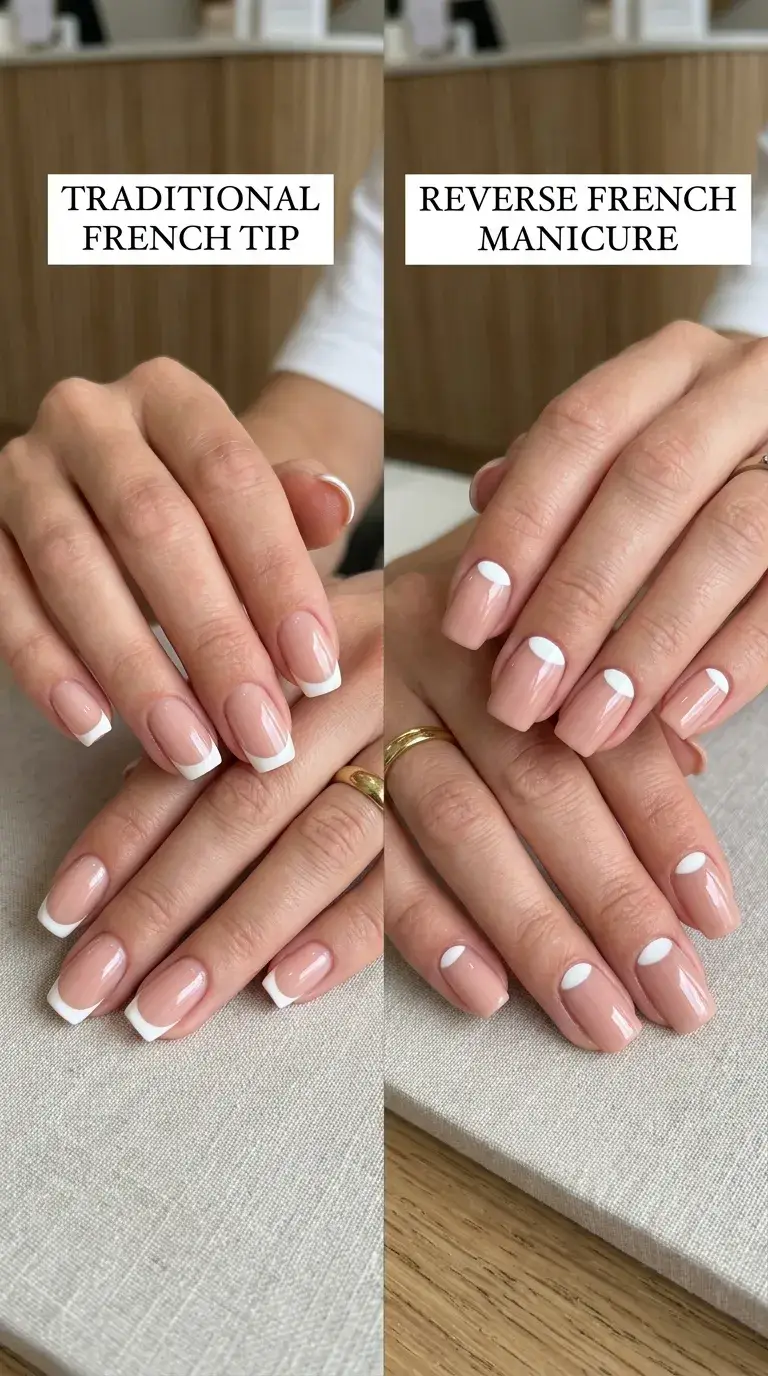
There’s also a practical difference: French tip nails need to be reapplied or filed down as the nail grows past the white line, while a reverse French with a sheer or nude nail color can often be touched up just at the base, extending the life of the set.
How to Do Reverse French Nails at Home
this trend take more precision than a standard manicure, but they’re manageable at home with the right tools:
- Start with your base color — sheer nude, milky white, or a pale blush — and let it cure or dry fully.
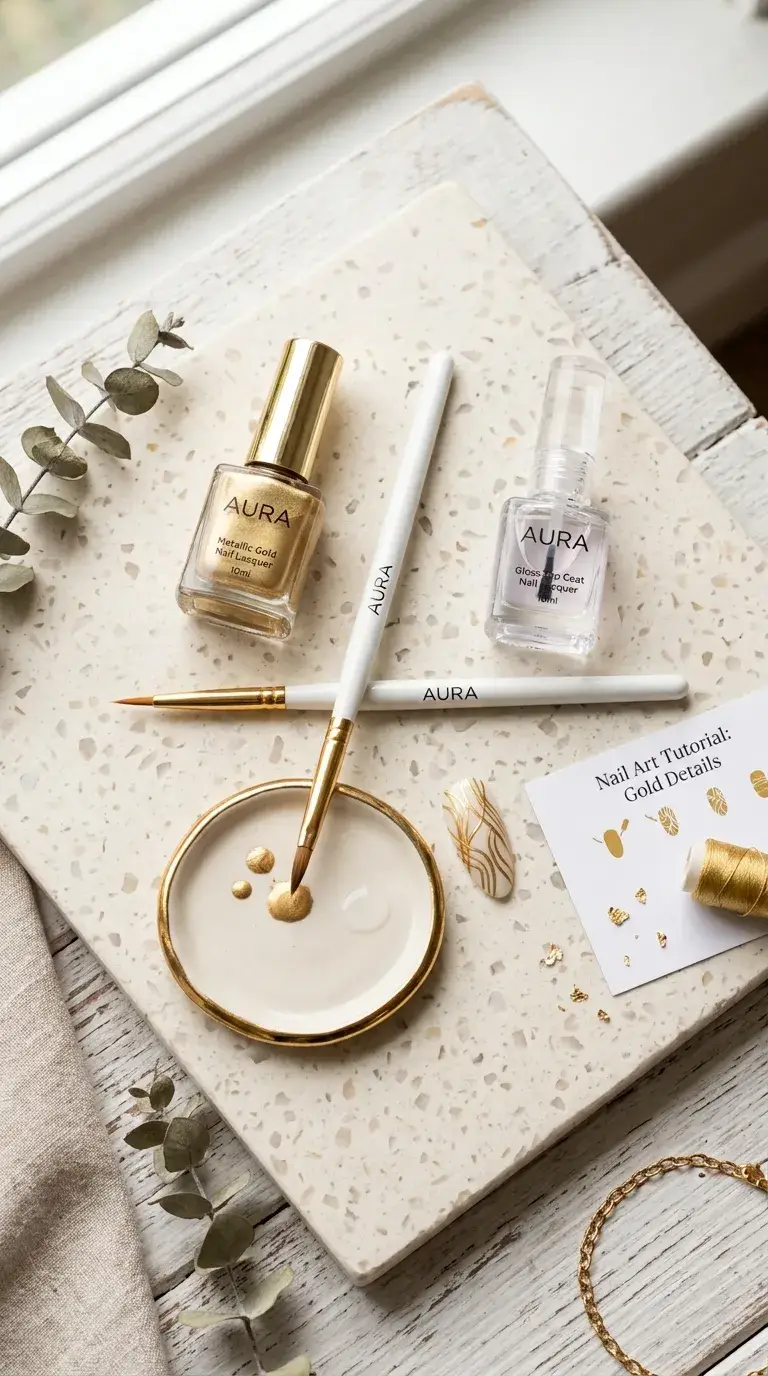
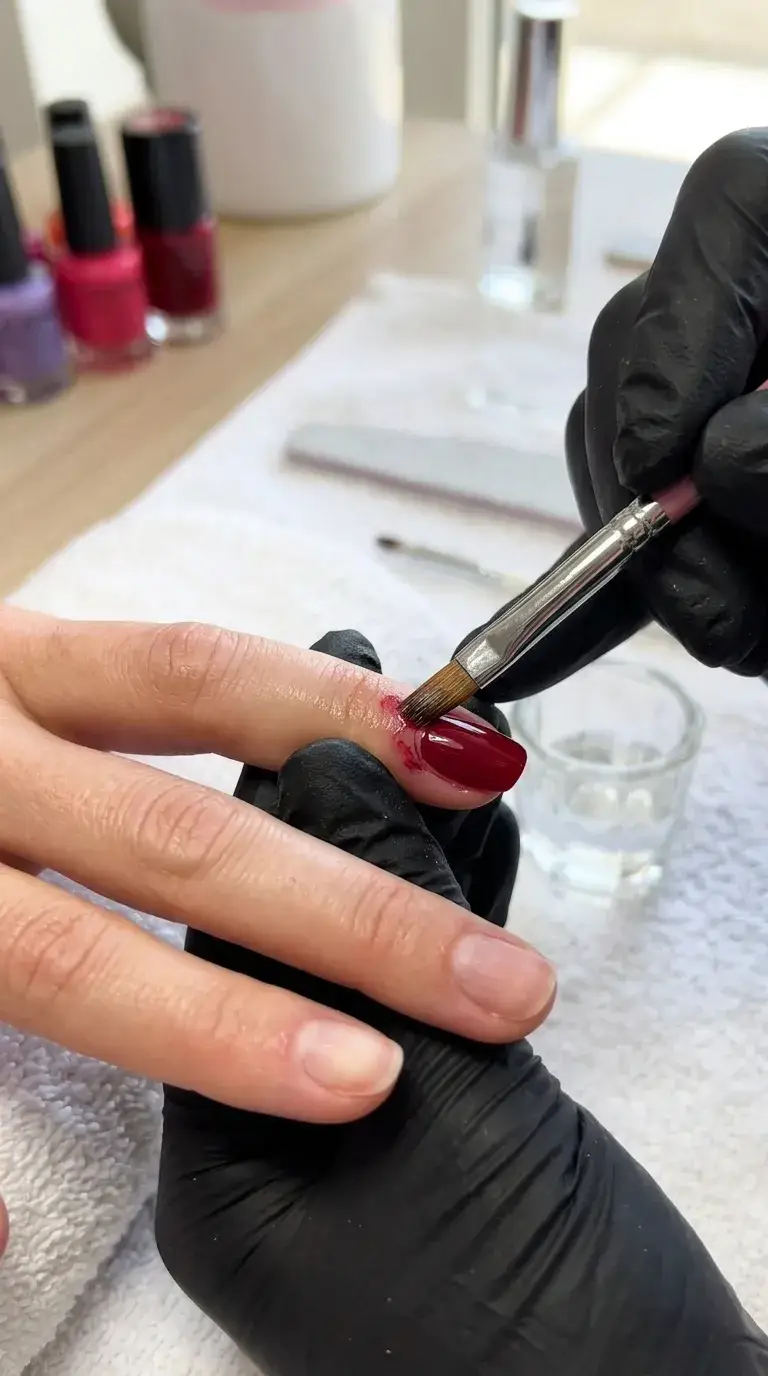
- Use a thin, fine-tipped nail art brush (not the brush that comes with standard polish) for the cuticle line.
- Apply a small dot of polish at the center of the cuticle, then drag it outward toward each side wall in one motion to create the curve.
- Work slowly and stay slightly away from the skin — it’s easier to extend the line closer to the cuticle afterward than to clean up polish that’s flooded onto the skin.
- If you smudge the skin, clean it up immediately with a thin brush dipped in acetone before curing or letting it dry.
- Seal the whole design with a glossy or matte top coat, capping the free edge as you would with any manicure.
If precision lines aren’t your strong suit, nail stickers or guide stencils made for this style can be flipped and used at the cuticle instead of the tip, which makes the line far more consistent for a first attempt.
Which Nail Shapes Work Best for Reverse French Nails
this technique are more shape-flexible than a traditional version, which really only shines on longer nails. Short and medium almond or squoval shapes actually show off the cuticle line beautifully, since there’s less competing nail surface to distract from it. Coffin and longer almond shapes give more room for elaborate versions, like the color-pop or negative-space styles. Round, short nails work best with the micro reverse French, since a bold, wide line can look disproportionate on a smaller nail bed.
Reverse French Nails: What to Avoid
A few common mistakes separate a clean reverse French from a messy one:
- Flooding the cuticle with polish. This is the single biggest risk with the technique, since any excess polish that touches skin can cause lifting or irritation once cured.
- Using a brush that’s too thick. A standard bottle brush makes it nearly impossible to control the curve; invest in a proper detail liner brush.
- Rushing the line in one pass. Building the curve gradually, side to side, gives a cleaner result than trying to drag one continuous line across in a single stroke.
- Skipping the top coat cap. Because the design sits right at the point where the nail meets skin, it’s especially prone to lifting without a properly sealed edge.
How Long Do Reverse French Nails Last?
With gel polish and proper prep, a reverse French manicure typically lasts two to three weeks, similar to a standard gel set — following dermatologist-recommended manicure safety practices helps it hold up without damaging the nail bed underneath. Because the design element sits at the cuticle rather than the tip, many people find the design itself stays looking fresh even as the nail grows out slightly — the sheer or nude section between the cuticle line and the natural nail simply extends, rather than creating an obvious two-tone regrowth line the way a traditional French tip does.
Reverse French Nails for Weddings and Events
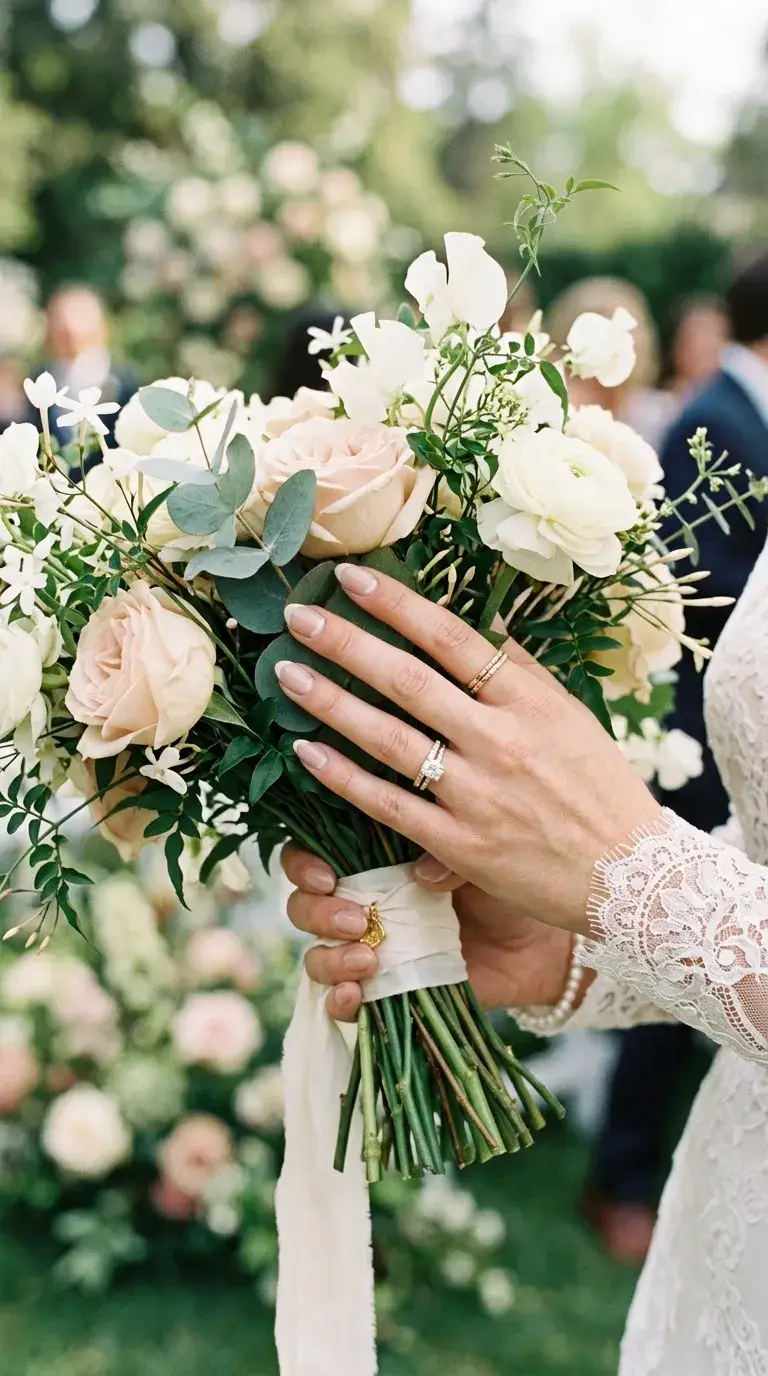
Bridal nails have leaned on the classic style for decades, but bridal beauty coverage now flags reversed and diffused French techniques as a growing 2026 option, with a growing number of brides choosing a softer, tone-on-tone version of this technique instead. A nude or blush base with a barely-there gold or pearl line at the cuticle keeps the elegant, timeless feel of the classic look while looking slightly more considered in close-up ring shots. For bridesmaids or guests, the color-pop version offers a way to coordinate with a wedding palette without everyone wearing an identical, matchy-matchy shade — each person can adjust the cuticle color to suit their own skin tone while keeping the same base.
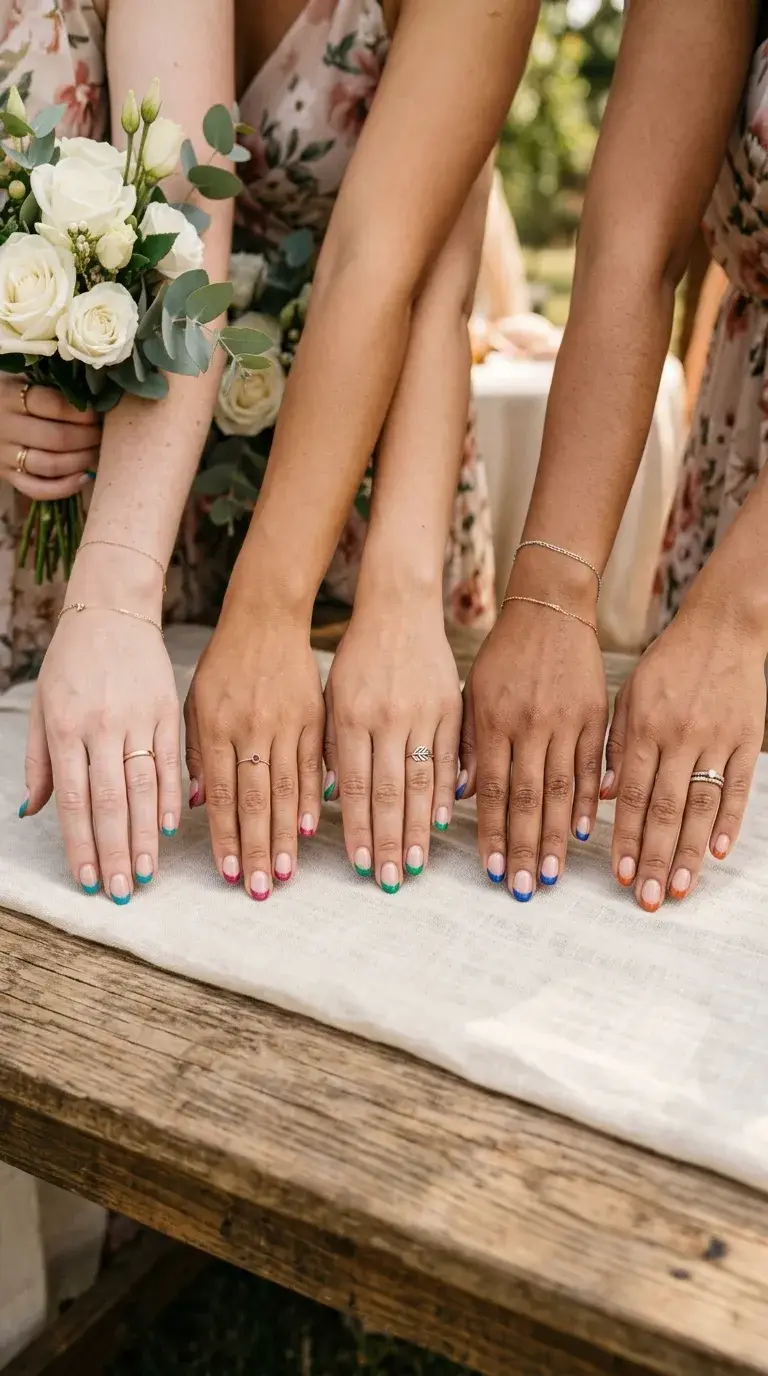
It’s also a strong choice for graduation, proms, and other occasions where a manicure needs to photograph well up close for an extended period.
How Reverse French Compares to Other 2026 French Manicure Trends
2026 has produced several French manicure spinoffs, and it’s worth knowing how they differ. Our micro French manicure guide covers the version that keeps the color at the tip but shrinks the line down to a razor-thin edge, ideal for short nails and a “quiet luxury” look. Glow French keeps the tip placement but swaps a flat white for a shimmer or holographic finish, creating a luminous halo effect.
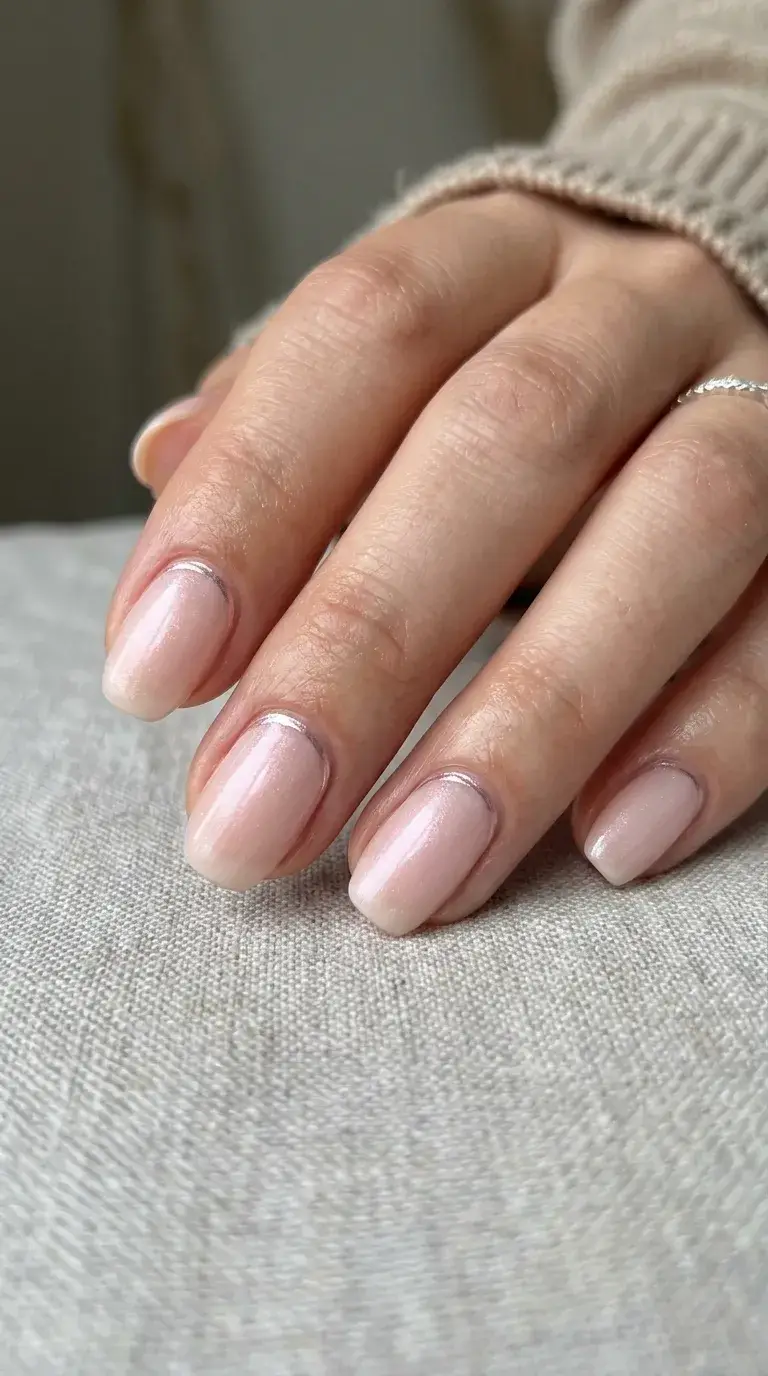
Glow French is the only variation among these that changes placement rather than just width or finish, which is why it reads as the more dramatic update of the three. Some nail artists are even combining techniques — a micro-thin reverse French, for example — to get the subtlety of one trend with the novelty of the other.
Products and Tools That Make Reverse French Easier
A handful of tools make a real difference in how clean the final line looks. A fine, angled detail liner brush is the single most important investment, since the brush that ships with most polish bottles is too thick for cuticle-line precision. French manicure guide stickers, usually sold for tip placement, can be applied upside down at the cuticle to create a straight, even starting point for beginners. A small pointed cleanup brush dipped in acetone or polish remover is essential for correcting any polish that touches the skin before it cures, since gel polish that cures directly on skin is far harder to clean up neatly afterward.
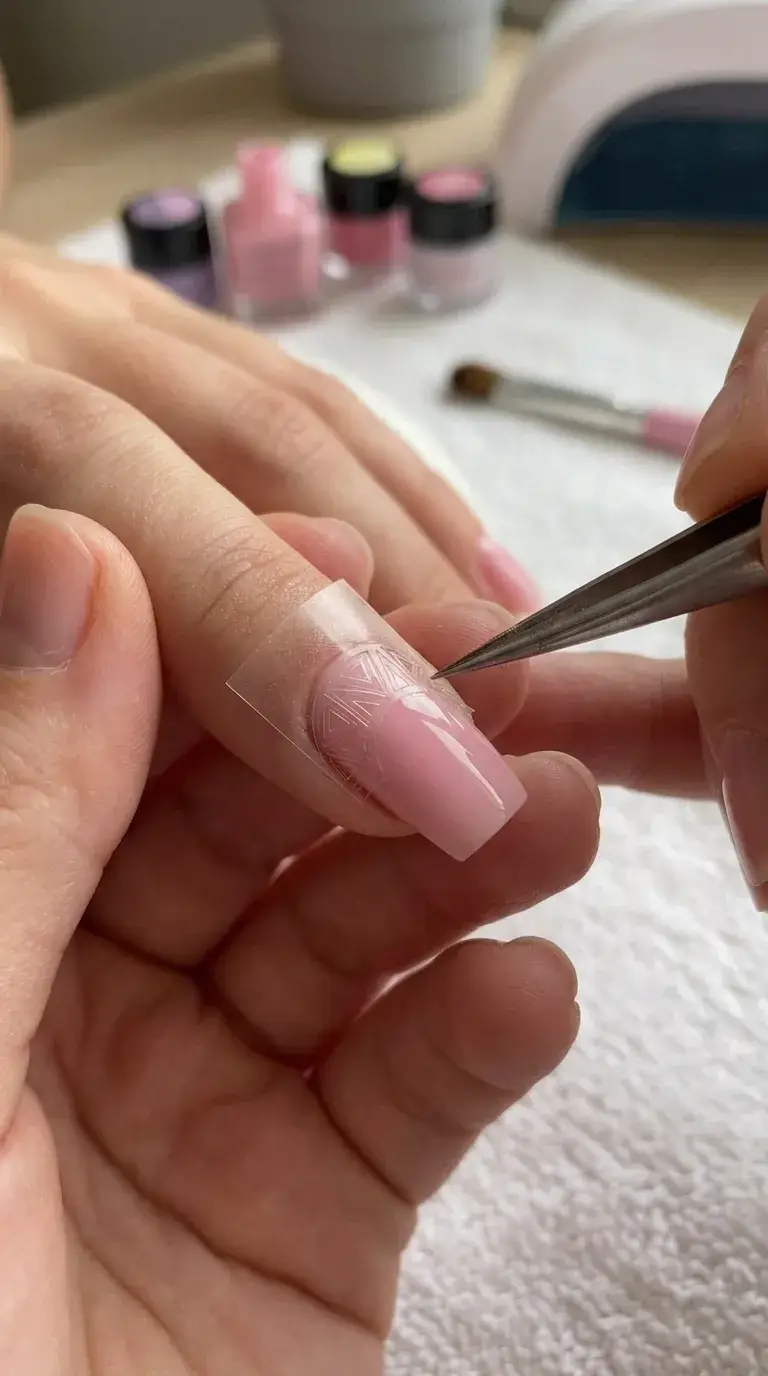
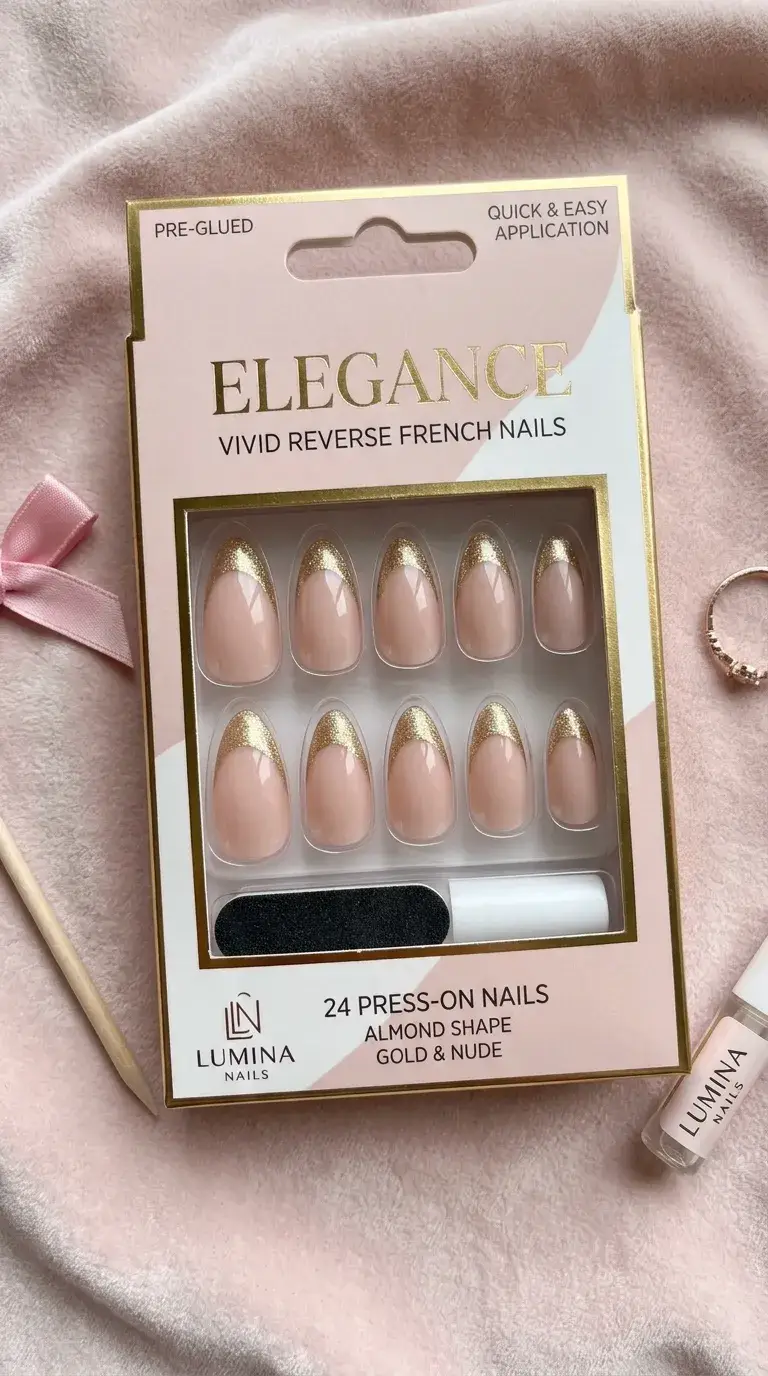
For anyone hesitant to freehand the design at all, press-on sets with a pre-painted reverse French design are widely available and offer a no-mistake way to try the trend for a single event.
Where the Reverse French Trend Actually Came From
The technique itself isn’t new — nail artists have experimented with cuticle-line color for years, sometimes under the name “half-moon manicure,” which traces back decades further than most people realize. What changed in 2026 was visibility. A single red-carpet moment can take a niche technique that’s mostly lived in editorial spreads and independent nail-art accounts and push it into mainstream search overnight. That’s exactly what happened here: search interest jumped sharply after the Super Bowl look, then — unlike a lot of celebrity-driven spikes that fade within a few weeks — it held.
Beauty publications that initially covered it as a one-off red carpet moment have since folded it into their ongoing spring and summer trend roundups, which is usually a sign a look has staying power rather than being a single-event fluke.
Should You Try Reverse French Nails or Skip the Trend?
This is a good pick if you already like the classic French manicure but want something that reads slightly more current without abandoning the format entirely. It’s also worth trying if you’ve struggled to keep a traditional French tip looking fresh between salon visits, since the more forgiving grow-out is a genuine practical upgrade, not just an aesthetic one. It’s less of a fit if you have very short, bitten, or uneven nail beds, since the technique relies on a clean cuticle line to look intentional — in that case, a solid color or a simple glossy manicure will likely look more polished than a shaky attempt at this design.
As with most detail-heavy nail art, booking a professional for the first set and then maintaining it yourself at home tends to give the best long-term results.
Frequently Asked Questions About Reverse French Nails
What is a reverse French manicure?
A reverse French manicure moves the classic French tip’s colored line from the top of the nail to the base, near the cuticle, instead. The rest of the nail typically stays a sheer, nude, or solid color.
Are reverse french nails easier on short nails?
Yes. A traditional tip needs enough nail length to create a clean, proportional white line, while this style actually look more balanced on short and medium lengths since the design sits at the base instead of relying on tip length.
Why did reverse French nails become popular?
Cardi B’s nail artist created a gold reverse French look for her February 2026 Super Bowl appearance, and the design drove a sharp, sustained spike in search interest for “reverse french manicure” that has continued through the summer.
Can I do reverse french nails myself at home?
Yes, with a fine detail liner brush and a steady hand. Nail stencils designed for standard tips can also be flipped and used at the cuticle to guide a cleaner line if freehand precision feels difficult.
How is grow-out different with reverse French nails?
Because the design sits at the cuticle instead of the tip, using a sheer or nude shade for the rest of the nail means the grow-out line is far less noticeable than with a standard version, which shows an obvious gap as the white tip grows out.
What colors work best for reverse French nails?
Gold and metallics are the most iconic option right now, but reverse french nails also work well in saturated colors like red or cobalt for contrast, or in tone-on-tone nudes for a subtler, quiet-luxury take — see our 2026 nail color trends guide for more shade pairings.
Final Take on Reverse French Nails
Reverse french nails prove that a decades-old manicure format still has room to feel new — sometimes all it takes is flipping where the color goes. Whether you go for the full metallic cuticle cuff or a barely-there micro version, this is a design that photographs well, works on nearly every nail length, and gives a classic look a genuinely current update. Bring a reference photo to your next appointment, or practice the technique at home with a detail brush before committing to a full set.
Save a few of the variations above so your nail tech has a clear starting point, and don’t be afraid to ask for a smaller, more subtle cuticle line if it’s your first time trying the look — you can always go bolder on the next set once you know how it wears on your specific nail shape and length.
Compare Before You Choose
See the Closest Alternatives
Compare nearby shapes, colors and finishes before picking a final reference.
Recommended Next