Every decade eventually comes back around, and right now it’s the 90s’ turn. 90s nail trends are showing up everywhere again — not as a costume-y throwback, but as genuinely wearable looks that happen to have history behind them (yes, even the ones you last saw in 1991 nails photos your mom kept). Here’s what defined 90s nail trends, and how to recreate each look with today’s products.

Why 90s Nails Are Trending Again
Part of the appeal is contrast — after several years of maximalist, heavily embellished nail art, the 90s aesthetic feels almost radical in its restraint. Square tips, single saturated colors, and minimal decoration read as confident rather than plain, especially against a feed full of chrome finishes and 3D charms. It’s a genuine 90s nail trends revival, not a nostalgia gimmick — the shapes and colors hold up because they were never really about being “extra” in the first place.
French Tips, 90s Style
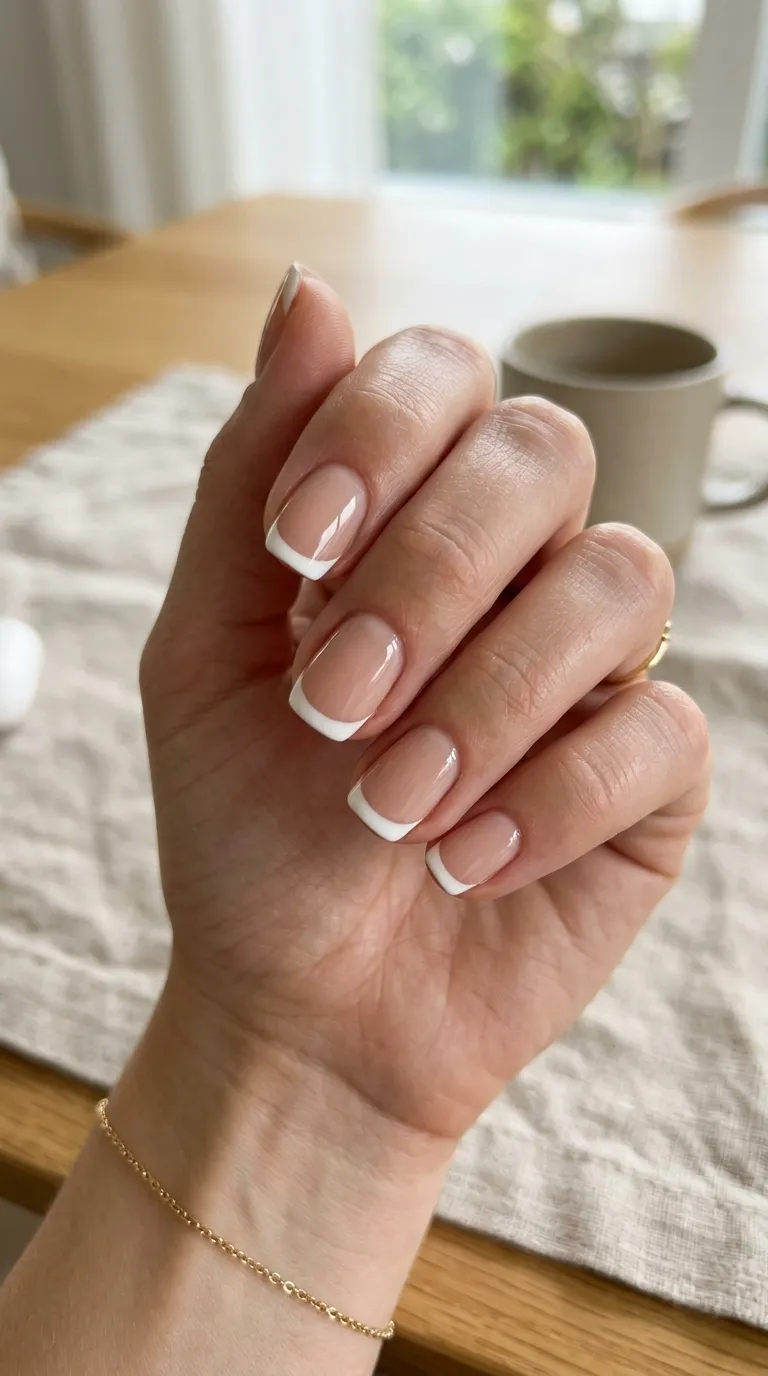
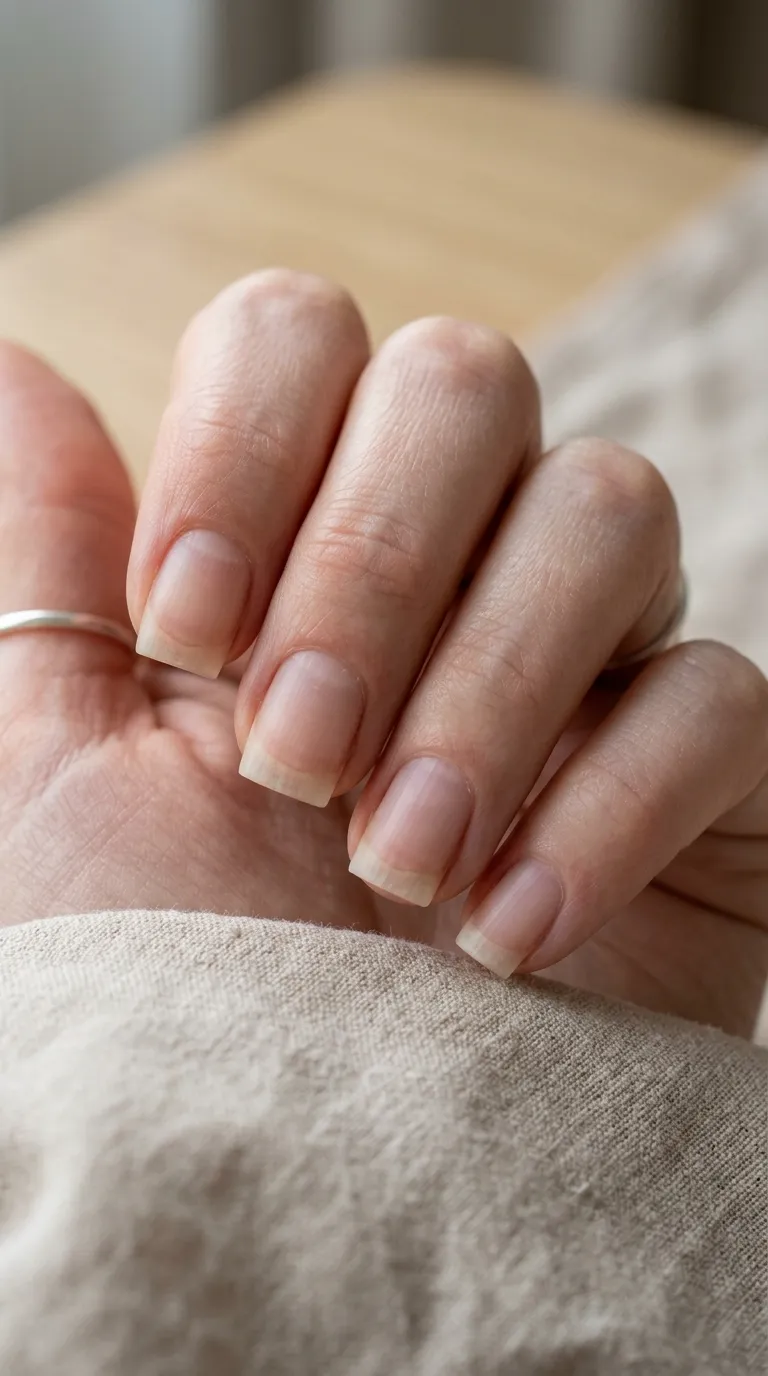
The 90s French tip is not the soft, natural-looking version popular today. It’s a stark white tip against a pale pink or nude base, filed to a squared shape rather than round or almond. The line between tip and base is meant to be crisp and visible, not blended — that visibility is the whole point of the look.
Jelly Nails
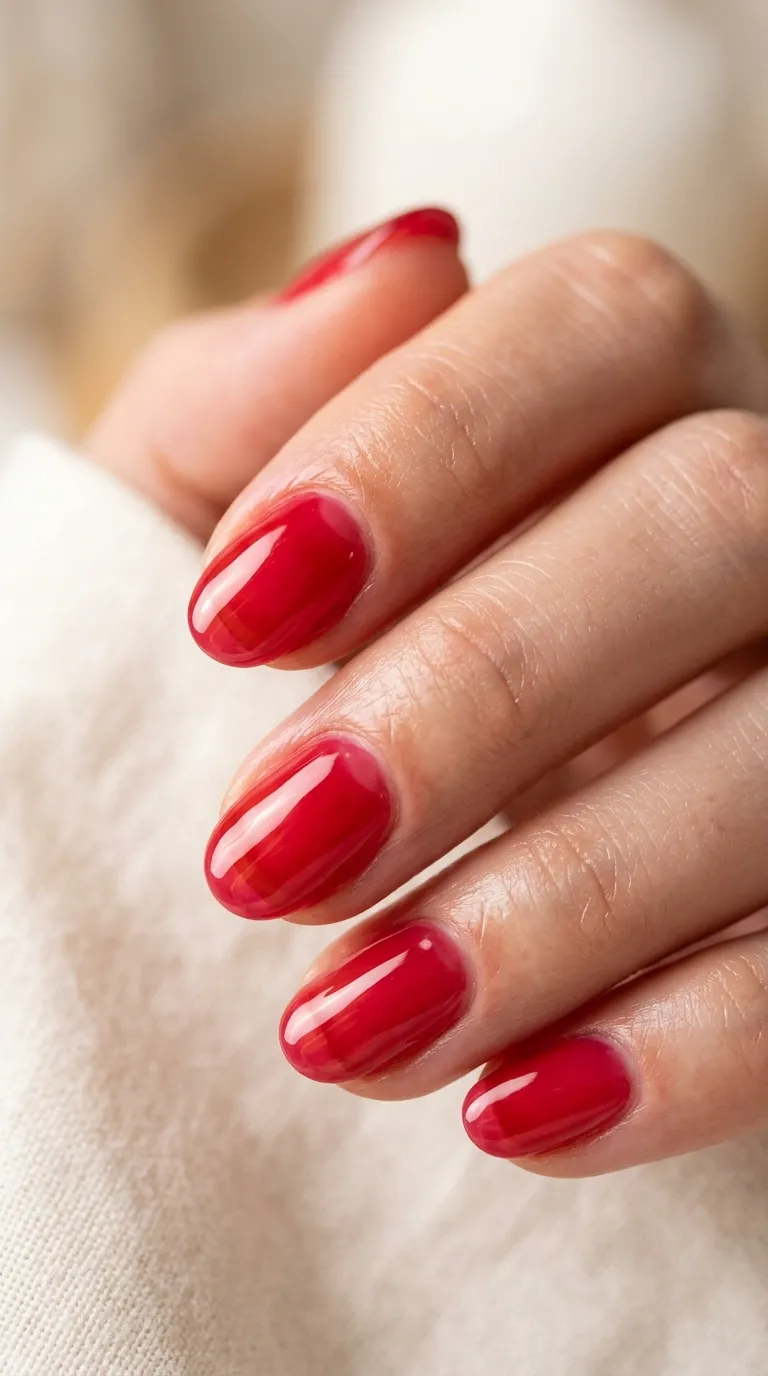
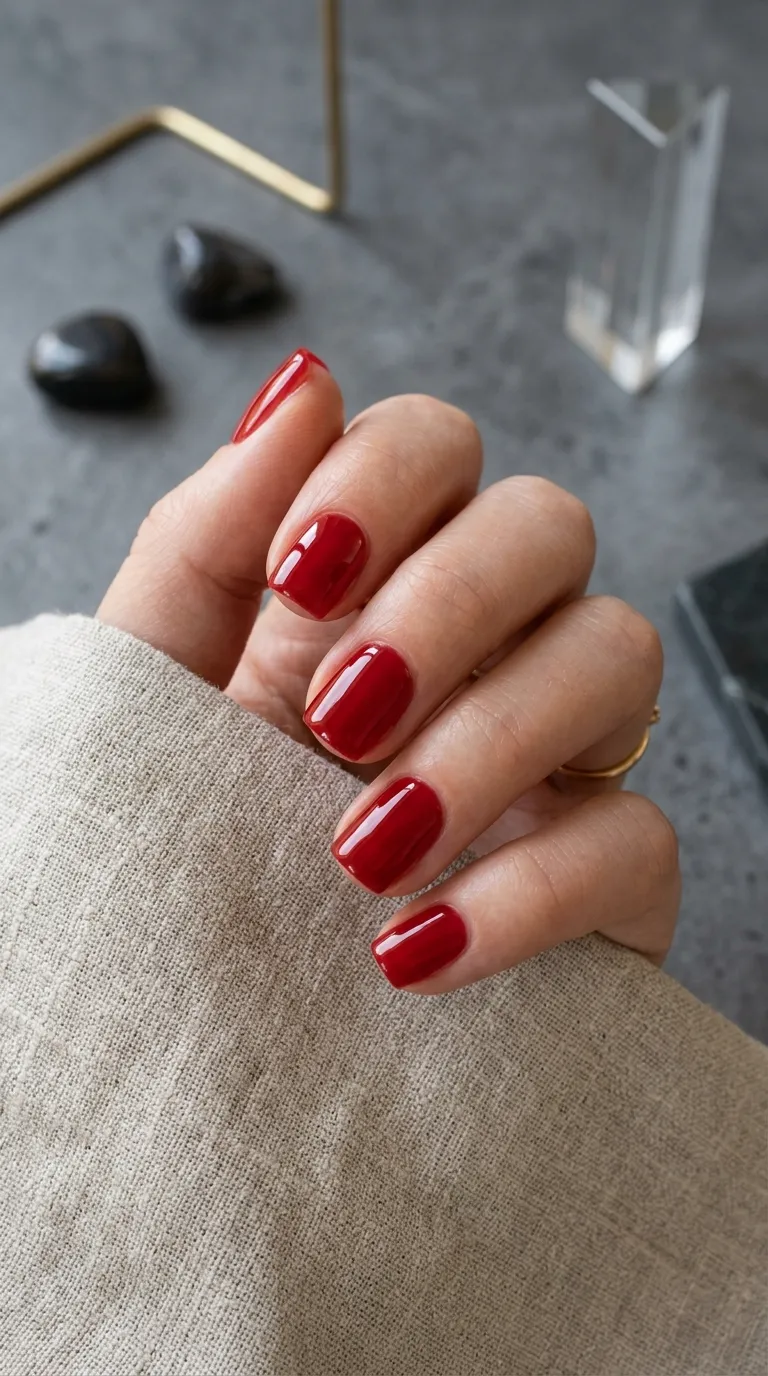
Jelly polish — a translucent, glassy finish in colors like red, purple, or blue — was everywhere in the mid-90s and is one of the more distinct 90s nail colors categories. Unlike a solid cream polish, jelly polish lets some of the natural nail show through, giving a glossy, almost candy-like finish. It typically needs 2-3 coats to reach an even color since each layer is semi-sheer by design; trying to get full opacity in one coat usually looks streaky.
Crackle Polish
Crackle top coats — applied over a solid base color, they dry into a cracked, weathered pattern revealing the base color underneath — were a genuine phenomenon in 90s nail culture and have quietly returned in small pockets of the current trend cycle. Apply one thin, even coat over a fully dried base; going too thick prevents the cracking effect from forming properly, and going too thin doesn’t leave enough polish to crack at all.
Dark Vamp Colors
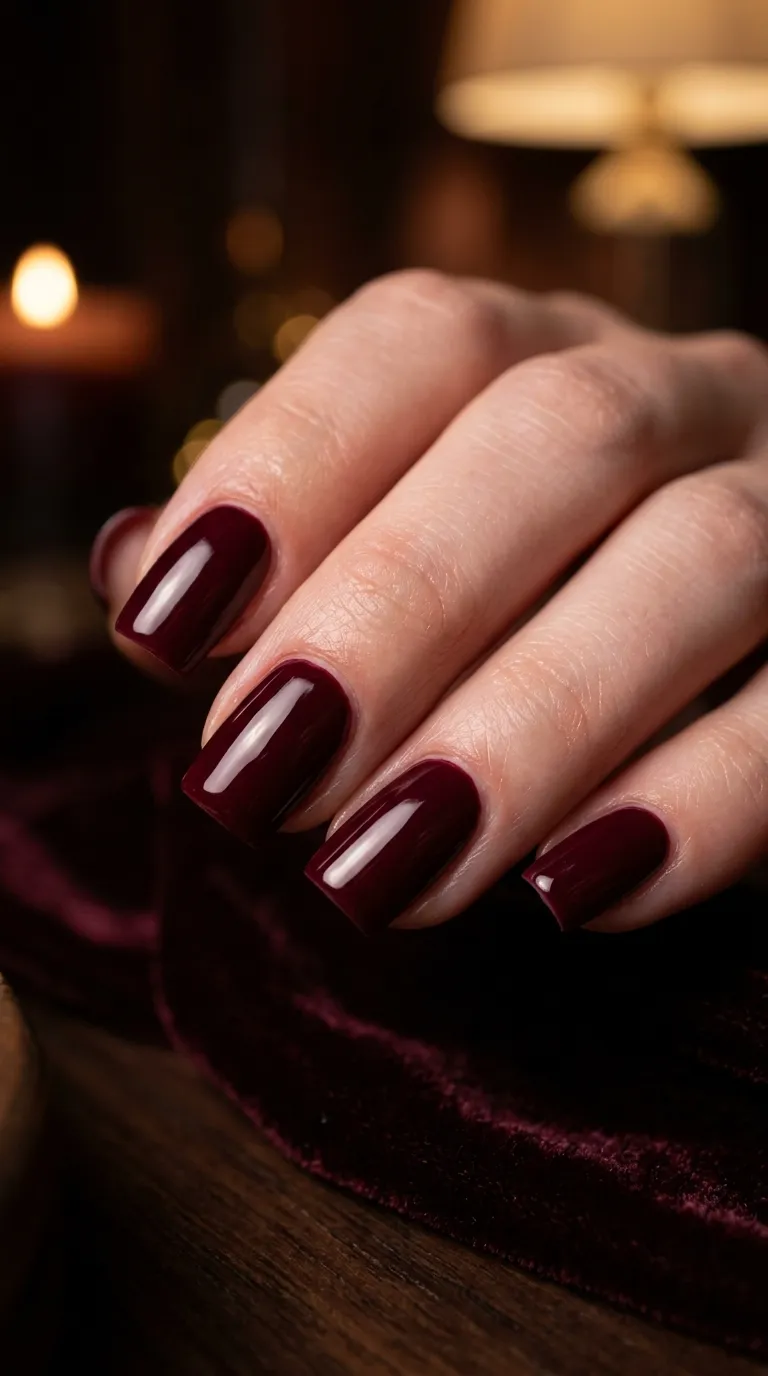
Deep burgundy, near-black plum, and true black were the signature dark shades of 90s nail culture, usually worn in a glossy rather than matte finish (matte black nails are more of a 2010s development). These colors work particularly well on square or squoval short-to-medium nails, echoing the era’s preferred shape.
Minimal Single-Nail Accents
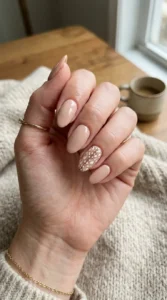
Where current trends often go heavy on multi-nail patterns, 90s nail art leaned toward restraint — a single small rhinestone at the base of one nail, one thin gold stripe, or one accent nail in a contrasting shade while the rest stayed a single uniform color. If you’re recreating this era’s minimalism, resist the instinct to add more; understatement is the actual signature.
Getting the Shape Right
Shape matters as much as color for an authentic 90s look — the era favored square and short-to-medium square-oval nails, not the longer almond or coffin shapes common today. If your nails are naturally shorter, that’s actually closer to period-accurate than working against your length to achieve a longer shape. For guidance on shaping short nails specifically, see our best nail shapes for short nails guide.
How This Differs From 2000s Nail Trends
It’s easy to lump 90s and early-2000s nail trends together, but they’re distinct. Where 90s nails favored restraint, dark vamp shades, and stark French tips, the 2000s leaned into airbrush art, rhinestone-heavy embellishment, and brighter, more saturated multi-color designs. If you’re chasing the specific look of the early 2000s rather than the 90s, our 2000s nail trends guide covers that era separately, since the two are often confused but the actual references look quite different side by side.

Building a Modern 90s-Inspired Set
A practical way to pull 90s nail trends together without it reading as costume: pick one signature 90s element rather than combining all of them. A jelly red on square nails alone reads as clean and current; jelly red plus crackle plus a stark French tip all together starts to feel more like a themed party look than a wearable manicure. My own preference when testing 90s nail trends was jelly finishes on short square nails — it’s the element that photographs the most distinctly “current” while still being unmistakably 90s-referencing.
For nail health while wearing darker, more saturated shades like these vamp colors, the American Academy of Dermatology recommends a ridge-filling base coat underneath to prevent staining, since dark pigmented polishes are more prone to leaving a temporary tint on the natural nail than lighter shades.
Nail Length and Care Notes for This Era
Because 90s nail culture favored shorter, squared shapes over the longer extensions common today, 90s nail trends is also one of the more low-maintenance ones to actually maintain — short square nails grow out with less visible awkwardness than a long tapered shape, since there’s less length for a growth line to disrupt. If you’re recreating the look with natural nails rather than extensions, expect this to hold up well between salon visits or touch-ups, which is part of why 90s nail trends suits people easing back into a simpler nail routine after a period of more maintenance-heavy styles.
Where to Start If You’re New to the Trend
If the full 90s aesthetic feels like a lot to commit to at once, start with the shape alone — file to a short square or squoval and wear it in whatever color you’d normally choose. The silhouette alone reads as period-referencing even without a specific 90s color or finish. From there, layering in one signature element (jelly finish, a stark French tip, or a dark vamp shade) is a natural next step once the shape feels comfortable. Building the look in stages like this also makes it easier to tell which specific element you actually like wearing, rather than committing to the full aesthetic and discovering only one piece of it suits you.
Pairing 90s Nails With a Modern Wardrobe
Part of why this trend has re-emerged so smoothly is that the color palette — dark vamp shades, stark whites, jewel-toned jellies — already overlaps heavily with current fashion neutrals and accent colors, rather than requiring a full outfit rethink to match. Deep burgundy or black vamp polish pairs naturally with the muted, tailored pieces already common in most closets, while a jelly red or purple works as a genuine pop of color against neutral fall and winter outfits without needing to be color-matched precisely the way some trend palettes require.
A Note on Nail Health With Darker, Long-Wear Shades
Darker vamp polishes and jelly formulas both tend to get worn longer between changes than lighter shades, simply because chips show less on a darker color. That’s convenient, but it also means it’s easy to leave a set on past the point where the nail underneath needs a break. A reasonable habit with this trend specifically: plan for a polish-free day or two between sets, even if the color itself still looks presentable, to avoid the nail bed becoming dry or discolored from prolonged, repeated coverage.
Frequently Asked Questions
What nail colors were popular in the 90s?
Deep burgundy, near-black plum, true black, and translucent jelly shades in red, purple, and blue were the defining 90s nail colors, alongside the classic stark white-on-nude French tip.
What is jelly nail polish?
Jelly polish is a translucent, glossy finish that lets some of the natural nail show through even after a few coats, giving a glassy rather than fully opaque color — distinct from standard cream or matte polish formulas.
Are 90s nails coming back in style?
Yes — minimal, square-shaped nails in dark vamp shades and jelly finishes have been steadily reappearing as a deliberate contrast to more maximalist recent nail art trends. These 90s nail trends continue to inspire modern manicures.
What shape were nails in the 90s?
Short-to-medium square and square-oval shapes were standard; the longer almond, coffin, and stiletto shapes common today were not part of the 90s aesthetic.
How is crackle nail polish applied?
Apply one thin, even coat of crackle top coat over a fully dried solid base color. The polish naturally separates as it dries, revealing the base color through the cracks — no special tools are needed, just a light, even hand.
What made 90s nail trends different from earlier decades?
Where 80s nail styles leaned bright and often airbrushed, 90s nail trends pulled toward restraint and darker, more sophisticated tones — a shift that mirrored broader fashion moving away from bold maximalism toward minimalism through 90s nail trends.
Final Thoughts
90s nail trends work today because the restraint at their core — square shapes, single saturated colors, minimal decoration — never really goes out of style, it just cycles in and out of attention. Pick one signature element (jelly finish, crackle, or the stark French tip) rather than combining all of them for a look that reads current rather than costume, and let the shape do more of the visual work than the decoration does. For a related but distinct era, see our 2000s nail trends guide.
Final Thoughts on 90s Nail Trends
Looking back, it’s clear why 90s nail trends keep resurfacing on mood boards and Pinterest saves every few years. There’s a rawness to the era’s nail art that modern polished looks sometimes lack, and that’s exactly the appeal. Whether you’re drawn to the minimalist french tip, the glossy jelly finishes, or the bold, graphic accents that defined the decade, recreating 90s nail trends today feels less like nostalgia and more like a genuinely wearable style choice.
Editors at Vogue and Refinery29 have both noted the cyclical return of these retro shapes and finishes on runways and street style alike, while dermatologists at the American Academy of Dermatology recommend keeping nail beds healthy between manicures, especially with the darker, more pigmented polishes common to 90s nail trends. If you want an expert breakdown of application technique, Byrdie has excellent step-by-step guides for achieving that authentic squared-off tip.
If you’re building out a full retro-inspired look, pair your manicure with pieces from our Bling Nail Designs guide for a maximalist evening look, or check out our Kids Nail Art roundup if you’re introducing the next generation to these classic 90s nail trends. However you wear it, this is one throwback that never really left.
Compare Before You Choose
See the Closest Alternatives
Compare nearby shapes, colors and finishes before picking a final reference.
Recommended Next
12 Stunning Nail Ideas 2026 — Trending Styles You Need to Try Right Now
Read the guide →
Syrup Nails 2026: 30+ Glossy, Translucent Designs That Are Trending Right Now
Read the guide →