If your nails feel thin, bendy, or just plain tired after months of gel, acrylics, or constant polish changes, the Japanese manicure might be exactly the reset they need. This centuries-old nail treatment from Japan skips polish, gel, and acrylic entirely — instead, it feeds the natural nail with a beeswax-based paste and a mineral powder, buffed in by hand until the nail itself shines like glass.
It is less about decoration and more about rehabilitation. There is no color to choose, no curing lamp, and no chipping to worry about. What you get is stronger-feeling, healthier-looking natural nails with a soft, pearlescent glow that lasts around two weeks — and nails that genuinely improve with repeat visits.
In this guide, you will learn what a Japanese manicure actually is, how the treatment works step by step, the real benefits backed by what nail professionals report, and — most importantly — how it differs from the Russian manicure and the American manicure, so you can book the right service for your nails.
What Is a Japanese Manicure?
A Japanese manicure is a traditional nail care treatment that originated in Japan and is sometimes called the P-Shine treatment, after the Japanese product line most associated with it. Unlike a standard manicure, which prepares the nail as a canvas for polish, the Japanese manicure treats the nail plate itself as the finished result.
The core of the treatment is a two-part system: a nourishing paste and a sealing powder. According to beauty editors who have documented the process, the green-tinted paste is made from beeswax, bee pollen, keratin, silica sourced from the Sea of Japan, vitamins A and E, and plant oils such as jojoba, bamboo, ylang-ylang, and red tea. The powder — often called P-Shine powder — is made from diatomaceous earth, a soft natural mineral, blended with beeswax. Both are massaged and buffed into the nail with a chamois (natural leather) tool, which warms the ingredients and works them into the nail plate.
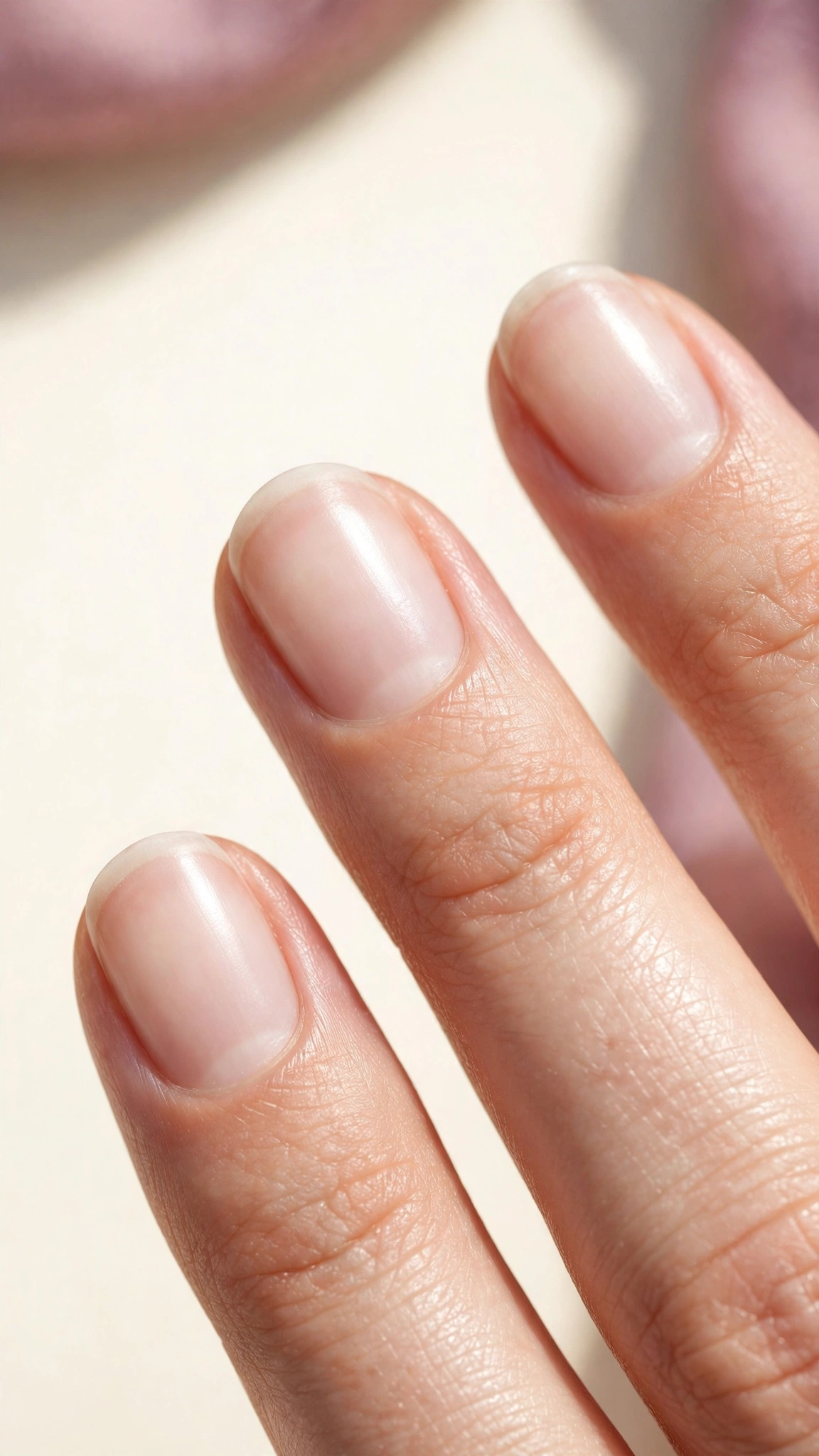
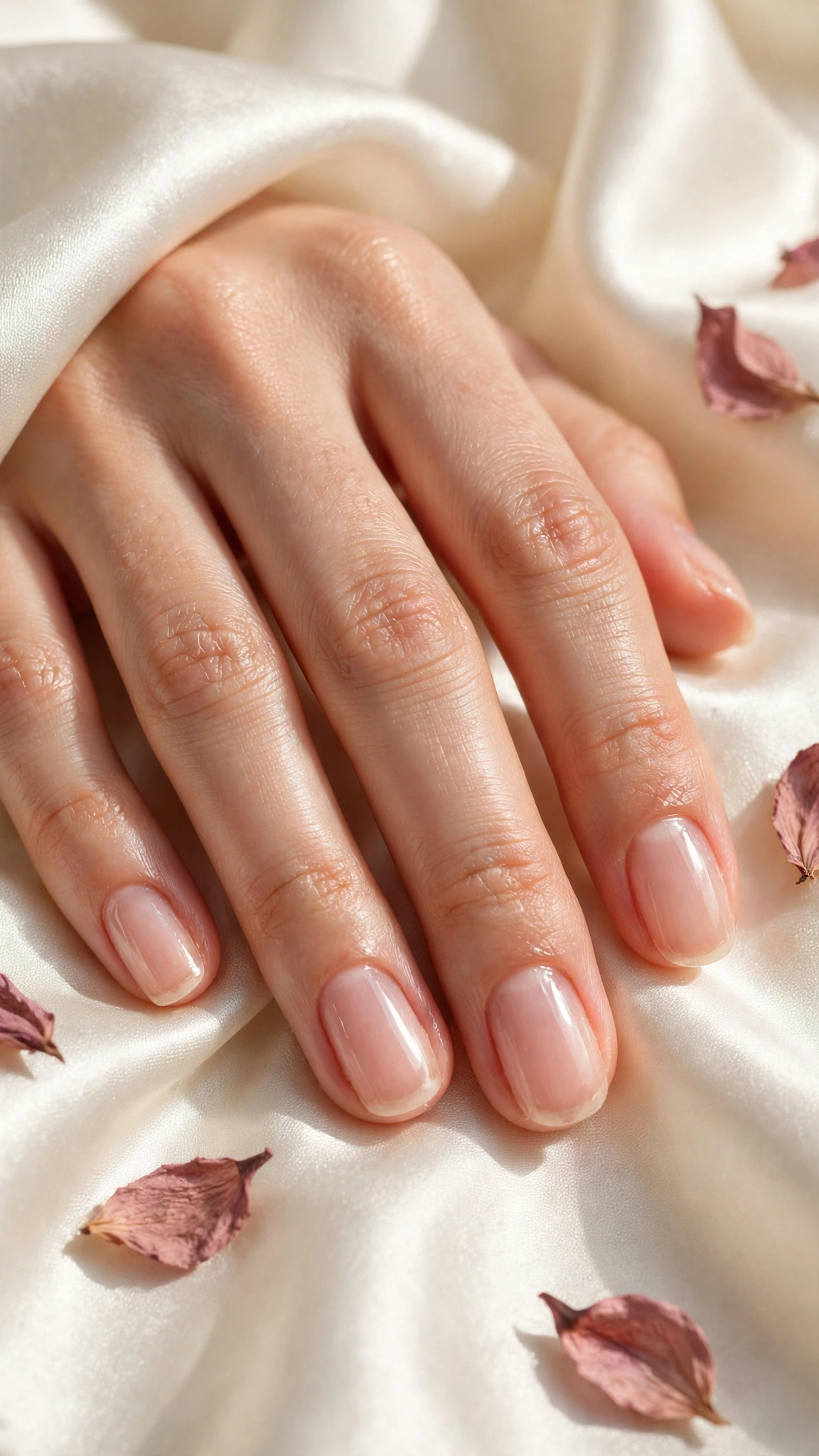
The result looks almost unbelievable the first time you see it: nails with the high-gloss shine of a fresh top coat, except there is no product sitting on top of the nail at all. The glow comes from the nail itself, sealed and smoothed by the paste-and-powder combination. According to nail care writers, that natural sheen typically lasts about two weeks, and regular treatments can steadily improve the condition of weak or damaged nails over time.
How a Japanese Manicure Works: The Step-by-Step Process
A proper treatment takes around an hour, and much of that time goes into careful preparation — nail professionals describe the prep as the longest and most important part of the appointment. Here is what typically happens, step by step.
Step 1: Shaping and Smoothing
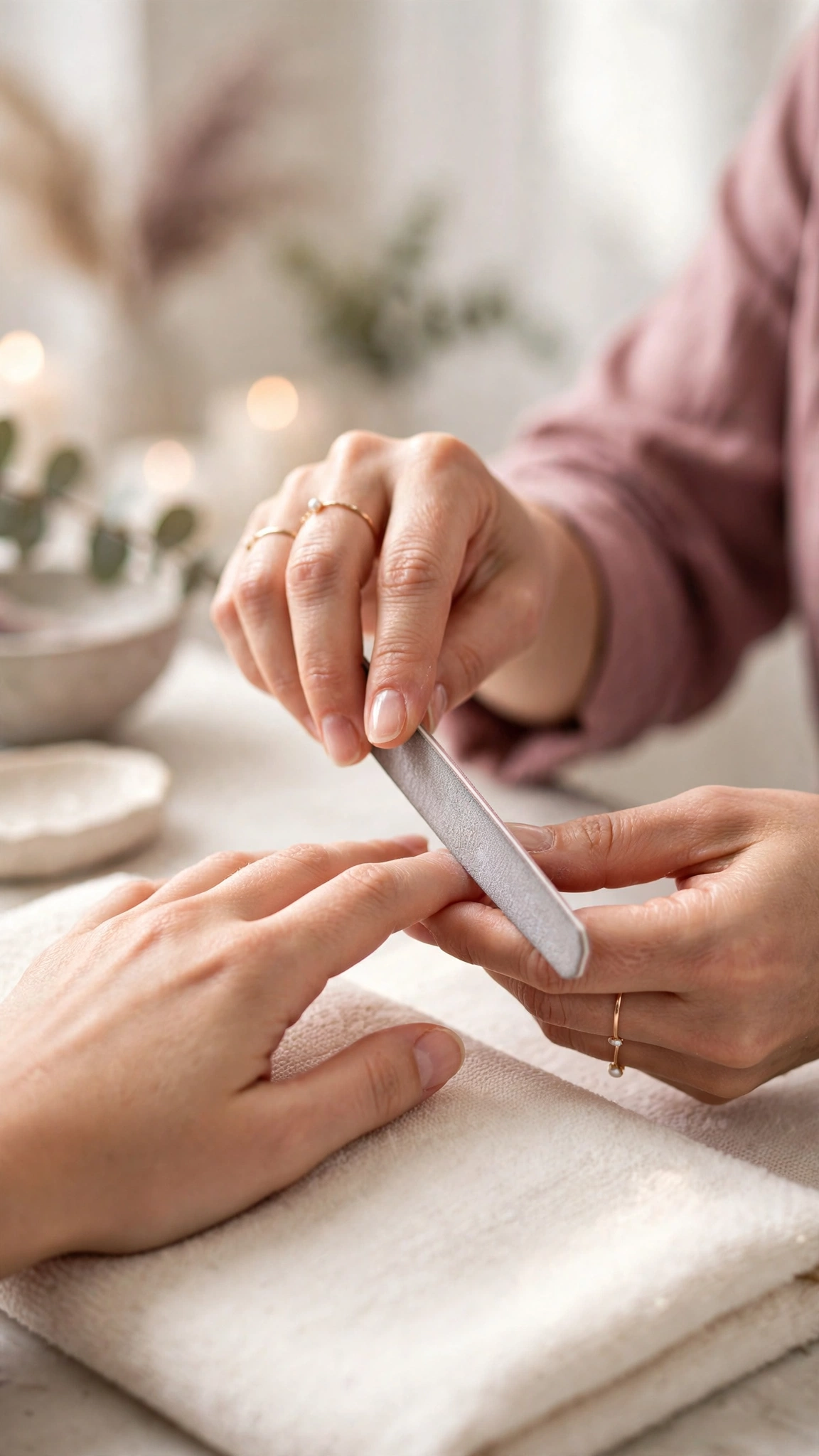
The treatment starts the way any good manicure does: nails are cleansed, then shaped with a nail file into a neat, even silhouette. The nail plate is then gently smoothed with a buffer and a stiff brush to create a clean, even surface. According to technicians who offer the service, this smoothing step matters because the paste and powder need direct, even contact with the nail plate to work properly.
Step 2: Cuticle Care
Cuticles are pushed back and tidied — usually gently, without aggressive cutting. Some technicians use a mild cuticle softener to help. The philosophy here matches what dermatologists recommend in general: according to the American Academy of Dermatology, cuticles seal and protect the nail, so careful, minimal handling is better than aggressive trimming. The treatment’s gentle approach to cuticles is one reason it suits people with sensitive skin around the nails.
Step 3: The Nourishing Paste
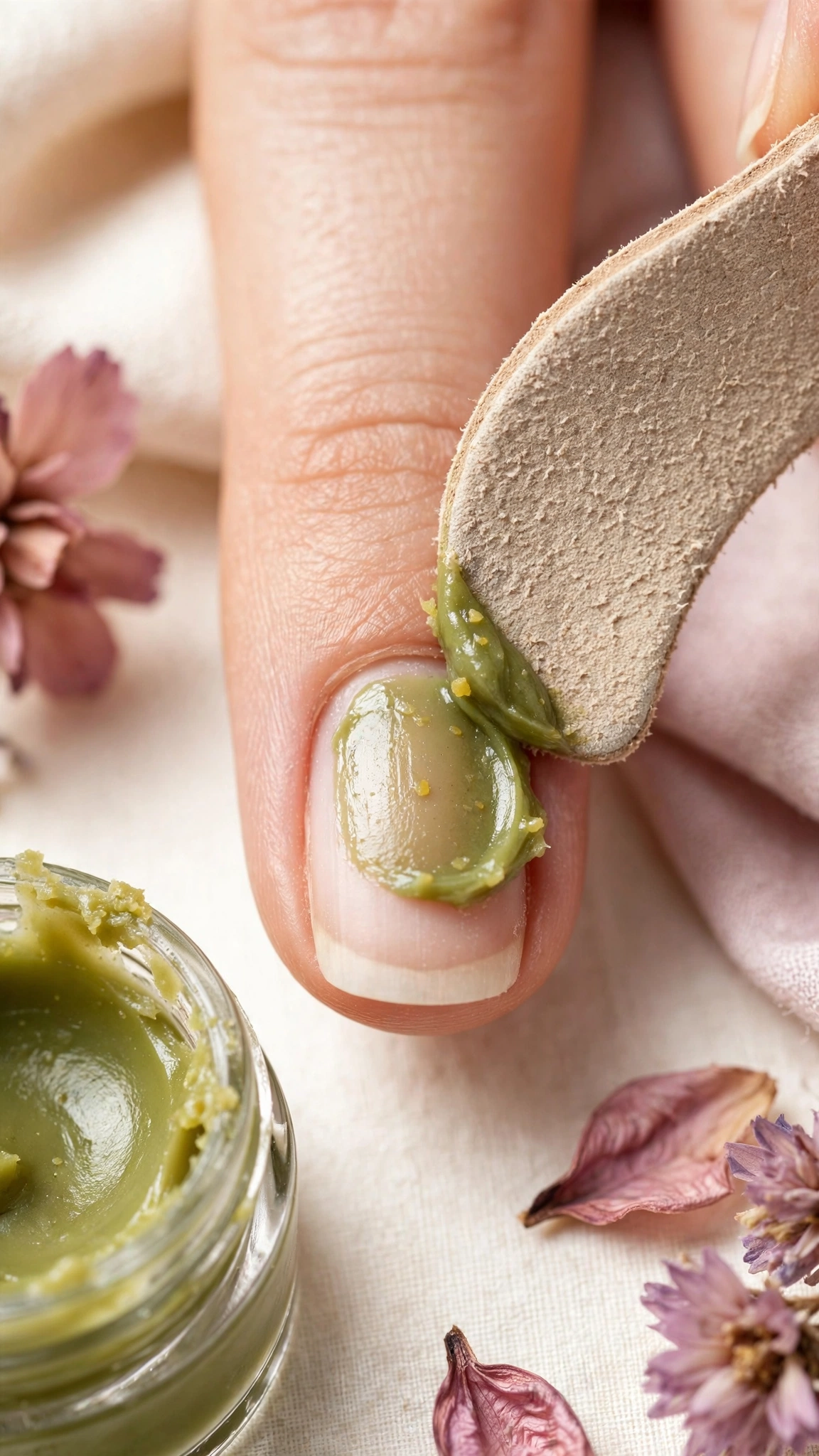
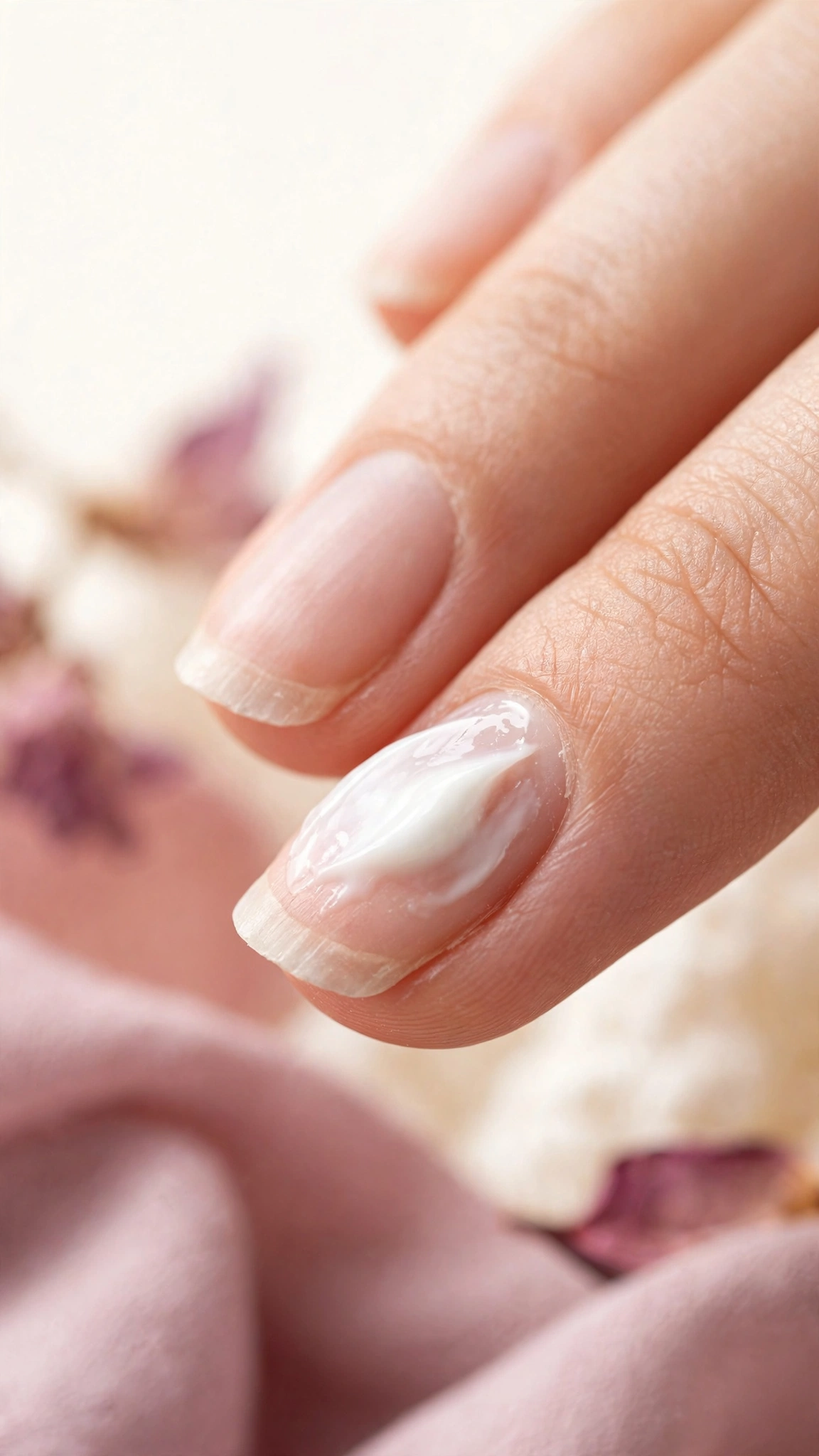
This is the signature step. A small amount of the green paste — the blend of beeswax, keratin, vitamins, and sea minerals — is applied to each nail plate and then buffed in thoroughly using a chamois tool. The buffing action generates gentle warmth, which helps the nourishing ingredients penetrate the nail. Each nail gets individual attention; there is nothing rushed about this stage.
Step 4: The Sealing Powder
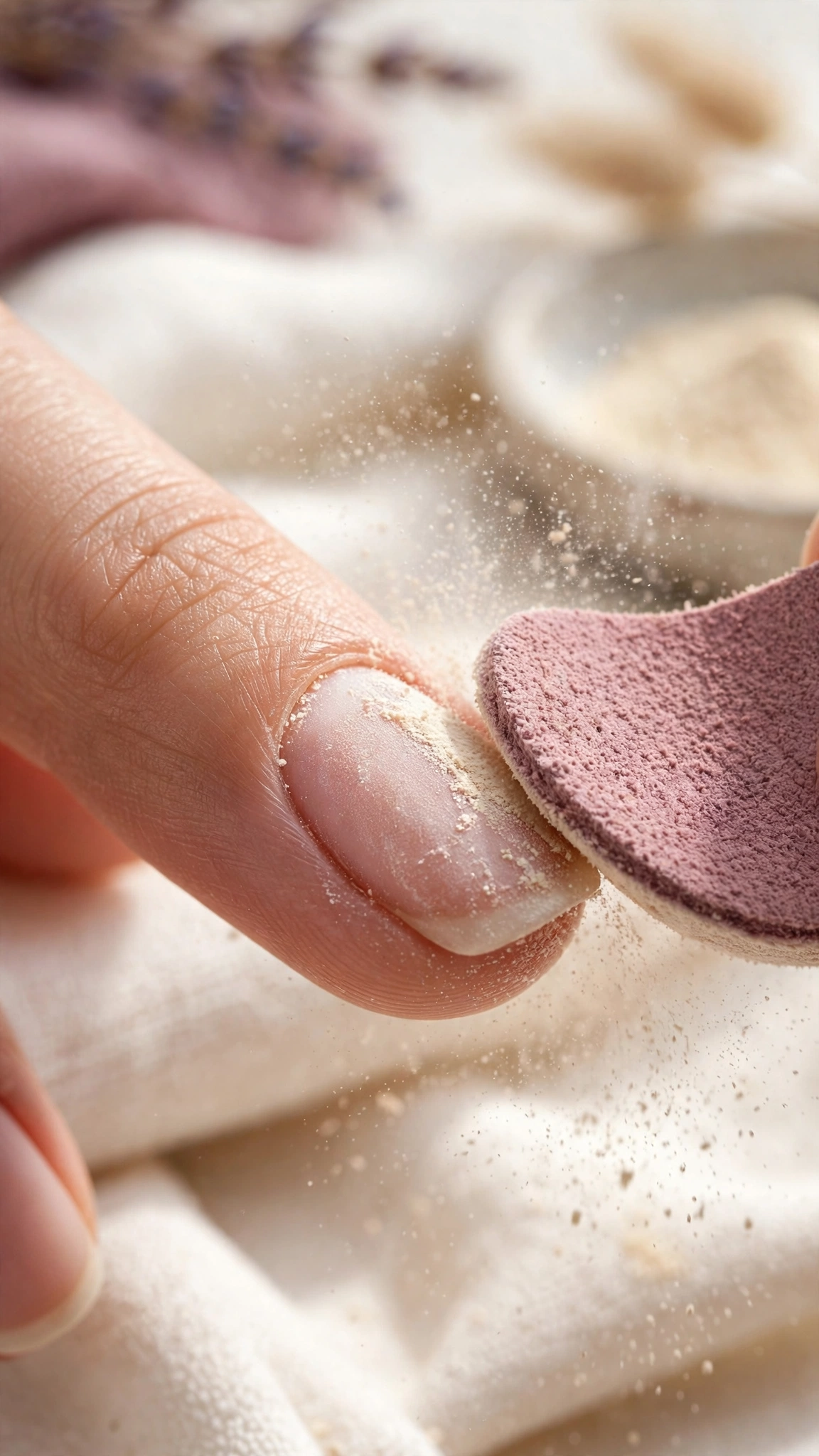
Once every nail has been treated with paste, the technician buffs a fine mineral powder over each nail plate, again with the chamois. The powder — made from diatomaceous earth and beeswax — seals in the nutrients from the paste and creates the treatment’s famous finish: a soft pink-tinged sheen that looks like a sheer gloss. This is the moment the transformation becomes visible, and it is the step clients describe as almost magical.
Step 5: Massage and Finish
The treatment closes with a hand and cuticle massage using rich creams and cuticle oils. This is not just pampering — massaging oil into the cuticles and surrounding skin helps keep the nail flexible and prevents the dryness that leads to peeling and hangnails. You leave the salon with bare, gleaming nails and deeply moisturized hands.
What’s Inside the Paste and Powder?
Part of what makes this treatment interesting is how simple and natural its ingredient list is. The paste combines beeswax and bee pollen (which condition and protect), keratin (the same protein your nails are made of), silica from the Sea of Japan (a mineral associated with hardness and strength), vitamins A and E (antioxidant nourishment), and botanical oils including jojoba, bamboo, ylang-ylang, and red tea. The sealing powder is based on diatomaceous earth — a fine, soft mineral powder — blended with more beeswax.
There are no harsh solvents, no acrylic monomers, and nothing that needs a UV or LED lamp to cure. That simplicity is the point: the treatment works with the nail’s own structure rather than coating over it. If you are someone who reads ingredient labels and prefers minimal, natural formulations, this is one of the cleanest professional nail services available.
The Benefits of a Japanese Manicure
So what do you actually get for your hour in the chair? According to nail professionals and beauty writers who have covered the treatment, the benefits fall into a few clear categories.
It helps weak, brittle nails recover. This is the headline benefit and the reason most people book it. The keratin, beeswax, and minerals are worked directly into the nail plate, and technicians report that clients with peeling, splitting, or paper-thin nails see visible improvement — especially with repeat treatments every few weeks. It is widely recommended as the ideal service for a break between gel or acrylic sets.
You get a glass-like shine with zero polish. The buffed powder finish genuinely resembles a high-shine top coat. If you love the “glass nails” or glazed look but want it from your actual nails rather than a product layer, this treatment delivers it naturally.
No UV or LED exposure. Unlike gel manicures, nothing in the treatment requires curing under a lamp. If you prefer to minimize UV exposure to the skin around your nails, this is a meaningful advantage.
It is genuinely low maintenance. There is no color to chip, no enhancement to lift, and no obvious regrowth line. As the treatment gradually wears over about two weeks, it simply fades — your nails never go through an awkward in-between stage.
It nails the “naked nails” aesthetic. Bare, healthy-looking nails are firmly in fashion, from the clean-girl trend to quiet luxury. It gives you that polished-but-bare look at its absolute best — nails that look finished without a drop of polish.
Japanese Manicure vs Russian Manicure: What’s the Difference?
This is the comparison people ask about most, and it is an important one because these two services — despite both having international names — could not be more different in philosophy. Our full Russian manicure guide covers that technique in detail, but here is the short version of how they differ.
It comes down to intention. A Russian manicure is about perfection: a highly precise dry e-file technique focused on detailed cuticle work, designed to create a flawless foundation so gel polish sits crisply against the skin and lasts as long as possible. It is about restoration: it prioritizes the health of the natural nail first, rebuilding strength and condition with nourishing ingredients and no polish at all.
| Japanese Manicure | Russian Manicure | |
|---|---|---|
| Goal | Restore and strengthen the natural nail | Flawless, long-lasting polished finish |
| Polish | None — bare nails only | Usually gel polish |
| Cuticle work | Gentle push-back, minimal trimming | Detailed dry e-file cuticle refinement |
| Key products | Beeswax paste + mineral powder | E-file bits, gel base, color, top coat |
| UV/LED lamp | Not needed | Required for gel curing |
| Finish | Natural glass-like shine | Crisp, immaculate color |
| Best for | Weak nails, polish breaks, natural look | Long wear, precise aesthetic |
The two are not rivals — many nail professionals say clients alternate between them, using this treatment to repair and rebuild the nail, then the Russian manicure when they want that immaculate, long-wearing polished look. If your nails are currently weak or peeling, start with the Japanese treatment; if they are healthy and you want maximum wear from gel, the Russian technique is the better booking.
Japanese Manicure vs American Manicure
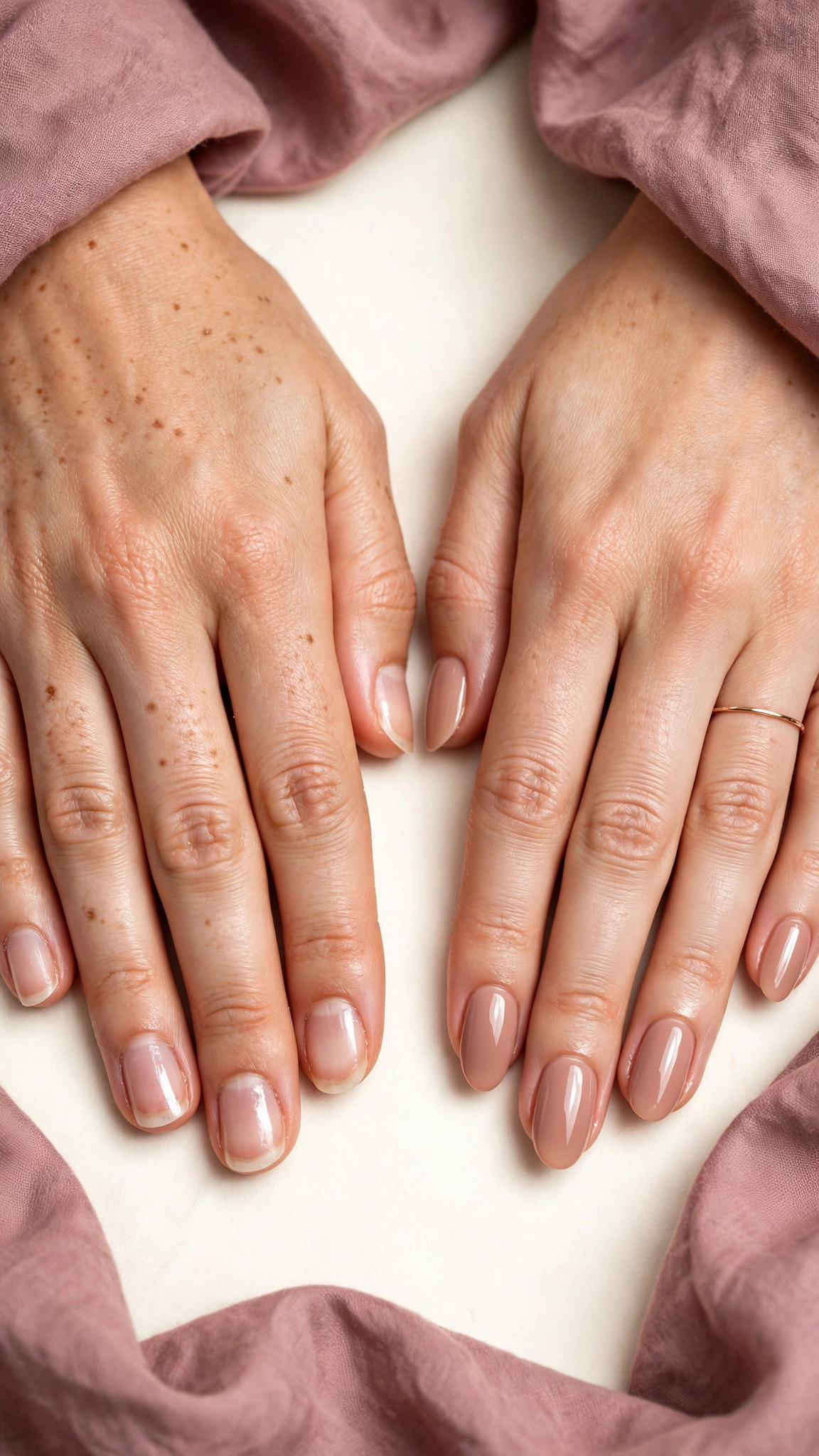
The American manicure is another natural-looking option, but it works on a completely different principle. An American manicure is essentially a softer, more understated take on the French manicure: instead of bright white tips, it uses creamy, neutral-toned polish with a subtle, blended tip — the “your nails but better” look in polish form. For inspiration in that family, see our nude nail designs roundup.
It uses no polish whatsoever, by contrast. Where the American manicure creates a natural appearance with cosmetic product, this treatment creates it by improving the nail itself. Choose the American manicure when you want a polished, professional look with subtle color; choose this treatment when you want your actual bare nails to look their best.
Who Is a Japanese Manicure Good For?
This treatment is not for everyone — if you want bold color or long extensions, you will be disappointed. But for the right person, it is close to ideal. According to nail professionals, it suits you best if:
- Your nails are weak, thin, peeling, or splitting and need a recovery period
- You are taking a break between gel, acrylic, or BIAB sets and want to rebuild nail health
- You cannot wear polish for work — think healthcare workers, chefs, and food handlers
- You avoid polish for personal or religious reasons but still want groomed nails
- You love the minimalist, “naked nails” aesthetic and want the healthiest-looking bare nails possible — our natural nail designs guide covers more ways to wear this look
- You have sensitive skin around the nails and prefer gentle cuticle work over aggressive techniques
How Long Does a Japanese Manicure Last?
The glossy finish typically lasts around two weeks. Because there is no polish layer, there is nothing to chip or peel — the shine simply softens gradually as the powder layer wears away with daily life. Many technicians recommend repeating the treatment every two to three weeks at first; according to salon professionals, clients who stick with a regular schedule often notice their nails becoming visibly stronger and less prone to peeling over a few months.
Compared with gel manicures, which can last three to four weeks but require fills or soak-offs, it trades longevity for nail health. There is no removal appointment, no scraping, and no risk of the peeling damage that comes from picking off gel. When it is time for a refresh, you simply book the treatment again.
Japanese Manicure Aftercare: Making the Glow Last
Aftercare is refreshingly simple, since there is no polish to protect. Still, a few habits will stretch the shine and keep the benefits building between appointments.
Oil your cuticles daily. A drop of cuticle oil or jojoba oil massaged into each nail keeps the nail flexible and the surrounding skin healthy. According to dermatologists, moisturized nails are less likely to peel and lift, which matters even more when your nail plate is the star of the show.
Wear gloves for wet work. Prolonged water exposure softens nails and speeds up the wearing of the powder seal. Gloves for dishes and cleaning are the single easiest way to protect any manicure — Japanese style included.
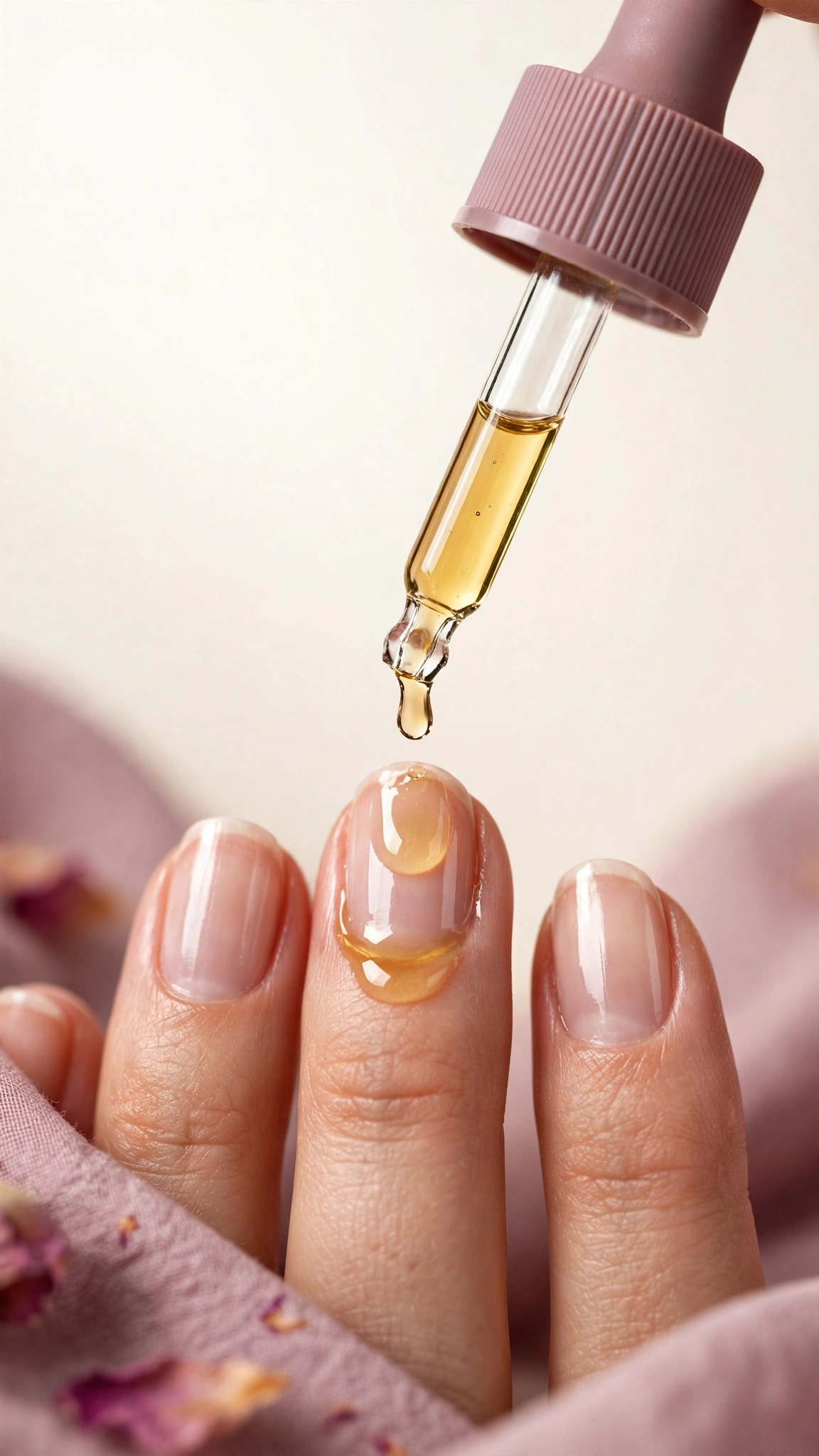
Skip the harsh chemicals. Acetone removers, strong detergents, and alcohol-heavy sanitizers will strip the treatment faster. If you need to use them, moisturize immediately afterward.
Do not buff the shine away yourself. It can be tempting to “refresh” the gloss with your own buffer, but over-buffing thins the nail plate — the opposite of what the treatment is trying to achieve. Leave the buffing to your technician.
Can You Do a Japanese Manicure at Home?
You can borrow elements of the treatment at home, but replicating the full experience is difficult. According to nail professionals, the technique — the pressure, the buffing rhythm, the way the paste is worked in with the chamois — takes training and practice, and the authentic P-Shine paste and powder are professional products. A DIY version with beeswax balm and a soft buffer will give you pleasant shine, but it will not match the sealed, glassy finish of the salon treatment.
That said, the at-home basics are worth doing regardless: shape gently with a file, push cuticles back rather than cutting them, massage in a beeswax or vitamin E nail cream, and buff lightly with a soft block. Think of it as maintenance between professional treatments, not a replacement for them.
Final Thoughts
This treatment occupies a unique place in the nail world: it is the rare service that makes your nails look better by making them healthier, not by covering them up. If your nails are damaged, if you are craving a break from gels, or if you simply believe bare nails can be beautiful, it is one of the most worthwhile treatments you can book.
And if you are torn between restoration and a flawless polished finish, remember you do not have to choose forever — many people alternate this treatment for repair with a Russian manicure for occasions when they want that immaculate gel look. Your nails get the best of both worlds.
For general nail health guidance, the American Academy of Dermatology’s nail care guidance covers trimming, cuticle care, and moisturizing. Background on manicure techniques is available in the Wikipedia overview of manicures, and beauty editors at Refinery29 have documented the full process step by step.
💅 Doing your nails at home? The Beginner’s At-Home Gel Manicure Guide covers the full routine — prep to aftercare — for $7.99. Get the guide →
Japanese Manicure FAQ
What is a Japanese manicure?
A Japanese manicure is a traditional nail treatment from Japan — also called the P-Shine treatment — that strengthens and shines the natural nail without any polish, gel, or acrylic. A beeswax-based paste with keratin, vitamins, and sea minerals is buffed into the nail with a chamois tool, then sealed with a mineral powder, leaving a natural glass-like gloss that lasts about two weeks.
How is a Japanese manicure different from a Russian manicure?
The difference is intention. A Russian manicure is about perfection — precise dry e-file cuticle work that creates a flawless base for long-wearing gel polish. It is about restoration — nourishing the natural nail with paste and powder, with no polish at all. Many people alternate between the two: Japanese for repair, Russian for an immaculate polished finish.
How long does a Japanese manicure last?
The natural shine typically lasts around two weeks. Because there is no polish, there is nothing to chip or peel — the gloss simply fades gradually. Technicians often recommend repeating the treatment every two to three weeks, and clients who keep a regular schedule frequently report stronger, less peel-prone nails over a few months.
Is a Japanese manicure good for weak or damaged nails?
Yes — this is its main purpose. The treatment is widely recommended for thin, peeling, or brittle nails, especially during a break from gel or acrylics. The keratin, beeswax, and minerals are worked directly into the nail plate rather than sitting on top of it, which is why nail professionals consider it a genuine recovery treatment rather than just a cosmetic service.
Does a Japanese manicure use any polish?
No. A traditional Japanese manicure uses zero polish, gel, or enhancements — only the nourishing paste and the sealing mineral powder, both buffed into the natural nail. That makes it a popular choice for people who cannot wear polish for work (such as healthcare workers and chefs) or for personal or religious reasons, while still wanting beautifully groomed nails.
Can I do a Japanese manicure at home?
You can borrow elements of it — gentle filing, pushing cuticles back, massaging in a beeswax or vitamin E nail cream, and light buffing — but the full treatment is hard to replicate. According to professionals, the buffing technique takes training, and the authentic paste and powder are professional products. Treat at-home care as maintenance between salon visits, not a replacement.
Compare Before You Choose
See the Closest Alternatives
Compare nearby shapes, colors and finishes before picking a final reference.
Recommended Next
Pingback: How to Do Gel Nails at Home for Flawless Results (2026)