Animal print has never really left nail art, but it has usually shown up loud: bold leopard spots in high-contrast black and gold, zebra stripes stark enough to see from across a room. This season, a much softer version has taken over feeds and salon request lists, and it looks nothing like the animal print you might be picturing. Delicate animal print nails swap the fierce, high-contrast patterns for something closer to a fawn’s dappled coat or the lace-thin veining of a butterfly wing, and the shift has turned an entire nail art category that used to read as “bold statement” into something that instead feels soft, romantic, and almost accidental.
No existing coverage on this site has tackled animal print in this softened, nature-inspired form before, which makes it worth breaking down properly: what it actually looks like, how it differs from the bold leopard and zebra prints most people associate with the phrase, and how to ask for it convincingly at your next appointment. That distinction is exactly why animal print nails deserve their own explanation, a point several beauty editors have made as the trend has grown.
What “Delicate” Animal Print Actually Means
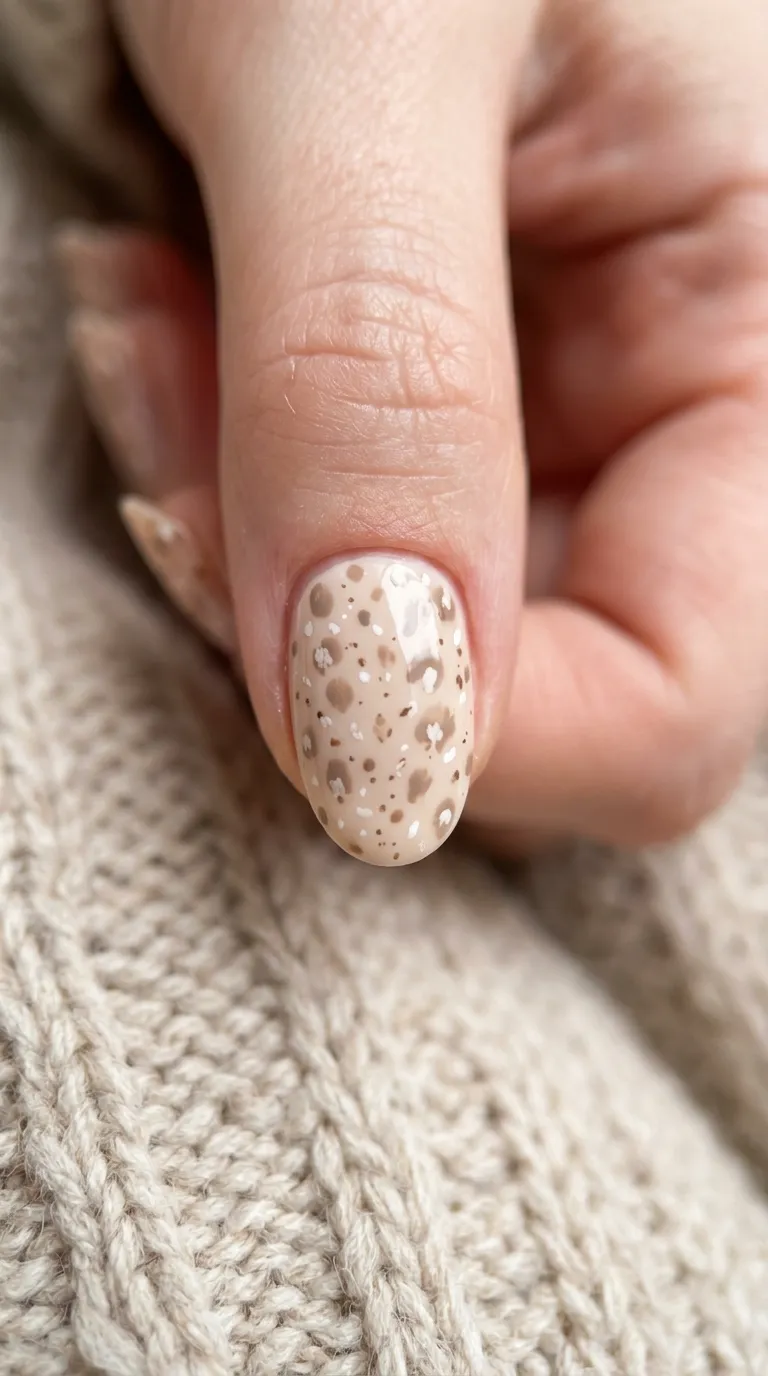
Traditional animal print nail art relies on high contrast and clearly defined shapes: solid black leopard rosettes over a golden or tan base, or crisp black-and-white zebra stripes. Delicate animal print nails invert almost every one of those choices. The base tends to be soft and neutral, cream, warm beige, or a pale blush, and the pattern itself is rendered in muted, closely related tones rather than stark contrast, often with soft, blended edges instead of crisp outlines.
The two most popular expressions of this softened trend right now are fawn print, sometimes called Bambi-core online, and butterfly wing print, which borrows the delicate, almost stained-glass patterning found on real butterfly wings rather than any traditional big-cat or zebra reference at all. Both are variations that fall squarely under the animal print nails umbrella, just in a softer register.
Fawn and Bambi-Core Print
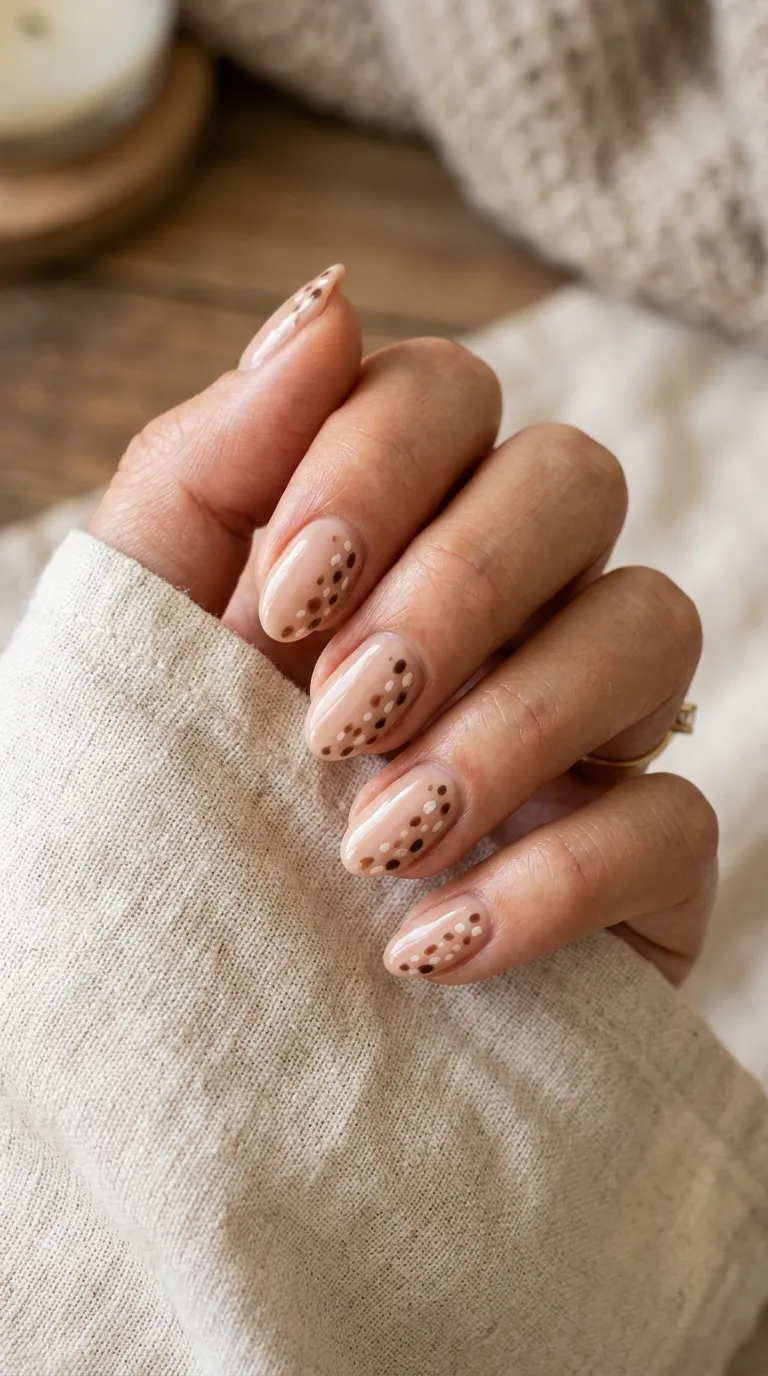
Fawn print nails take their cue from the soft, dappled coat of a young deer: a warm, creamy brown base scattered with small, irregular cream or ivory spots, without the sharp rosette shapes of leopard print. The overall effect reads as gentle and nature-inspired rather than fierce, which is exactly the point. This variation has been described across beauty coverage as “Bambi-core,” part of a broader aesthetic movement pairing soft animal motifs with a nostalgic, storybook color palette. It’s this softer read that has made fawn print such a popular entry point into animal print nails, a shift Pinterest’s own trend forecasting has tied to a broader move toward softer, nature-inspired aesthetics.
Butterfly Wing Print
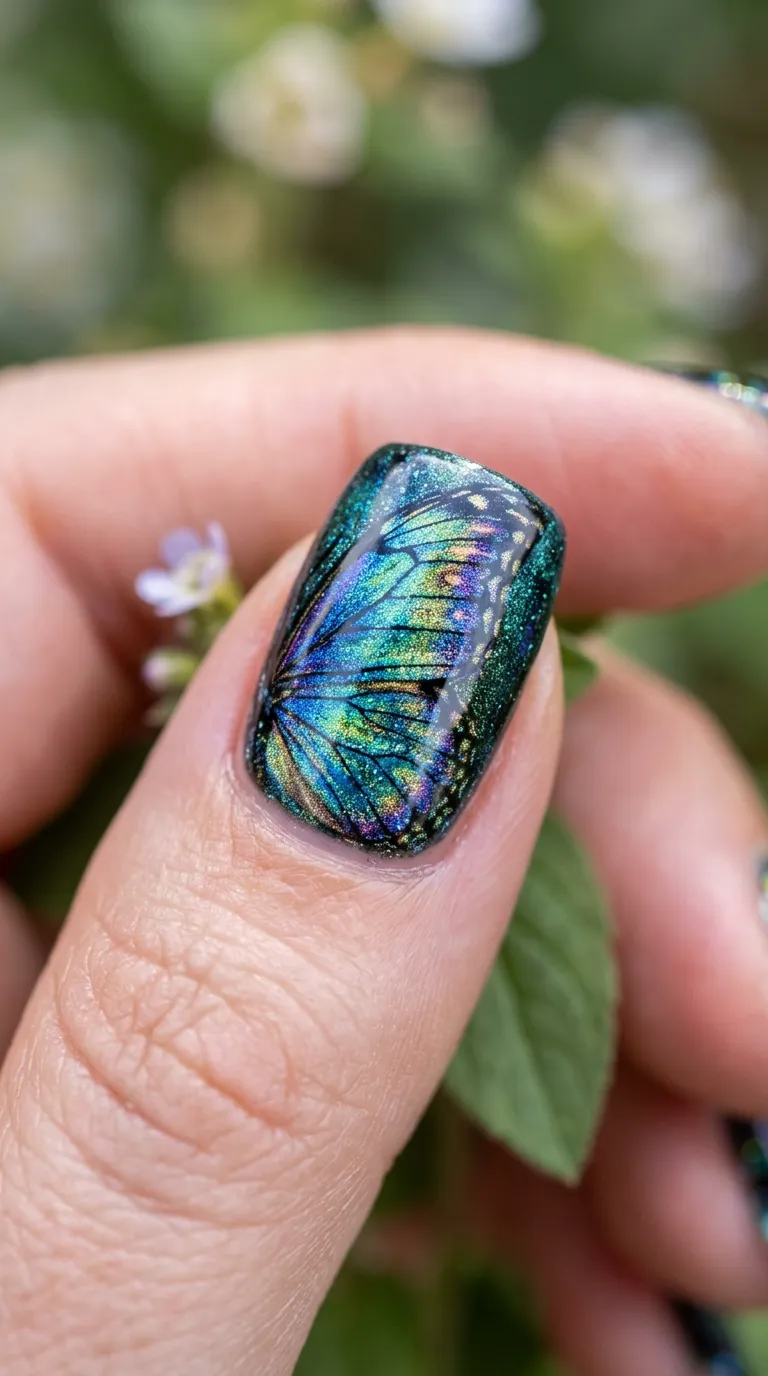
Butterfly wing nail art takes a different but related approach, translating the intricate, almost lace-like patterning of a real butterfly wing into a soft gradient base topped with fine, dark linework tracing delicate wing-vein patterns. Some versions use a single accent nail with a full butterfly wing motif, while others spread a simplified veining pattern across all ten nails for a more subtle, all-over texture. This subtlety is part of what makes animal print nails feel fresh again this season.
Why Delicate Animal Print Is Having a Moment
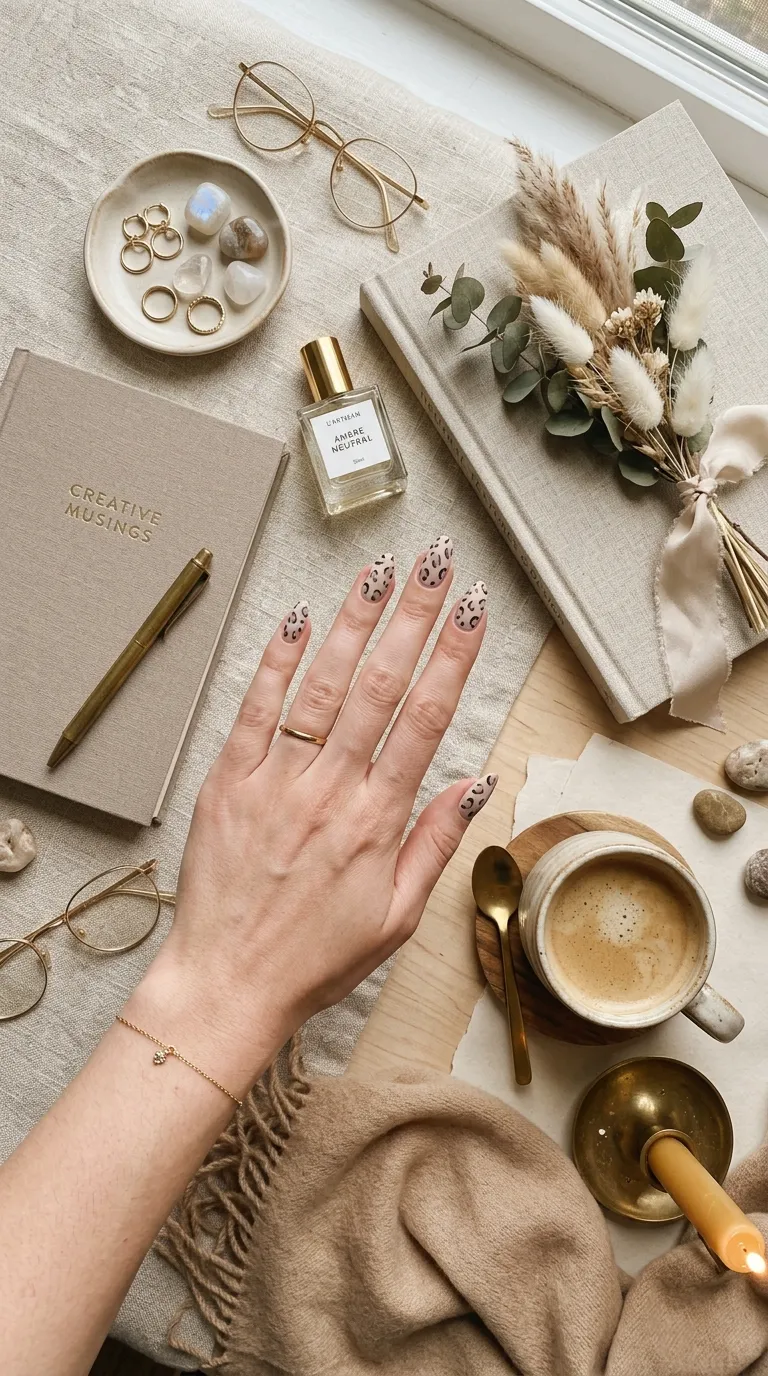
Beauty trend forecasters have pointed to a broader cultural pull toward nature-inspired, gentle aesthetics as a counterbalance to years of bold maximalism in nail art. Delicate animal print nails sit comfortably within that shift, offering a way to reference something wild and organic without it reading as costume-like or overly dramatic. There is also a generational element: both Gen Z and older clients have gravitated toward this softened print, drawn in by a shared appreciation for nature motifs rendered with a light, almost watercolor touch rather than a bold, graphic one.
It helps that this style photographs beautifully in natural light, especially on shorter, rounded nail shapes where the softened pattern reads as detail rather than dominating the whole nail. Where a bold leopard print manicure practically demands attention, this quieter version rewards a closer look instead. Recognizing that difference helps you ask for exactly the animal print nails look you want.
How Nail Artists Achieve the Look
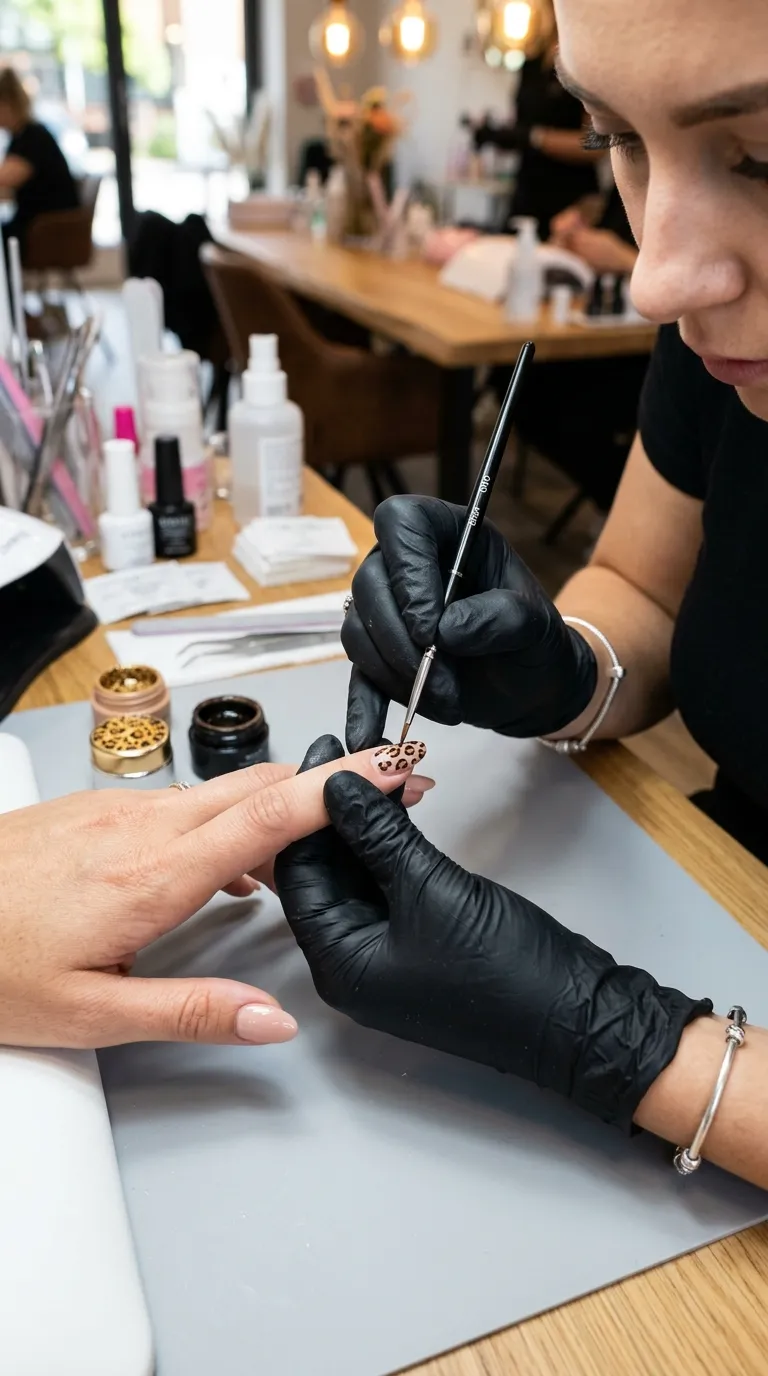
Getting the pattern to read as soft rather than sharp comes down to technique. Instead of painting solid, defined leopard rosettes, artists working on fawn print typically use a small, slightly damp detail brush to place soft, irregular dots, sometimes going back over each one with a lighter shade to blur the edge before it fully cures. This blending step is what separates a delicate, believable dappled pattern from a print that still reads as a traditional bold leopard design, just in lighter colors. This technique-driven approach is what separates well-executed animal print nails from a heavy-handed attempt.
For butterfly wing designs, artists often start with a soft gradient base in two or three blended tones, then use a fine liner brush loaded with diluted black or deep brown polish to trace thin, branching veins reminiscent of real wing structure. A glossy top coat finishes the look, and some artists add a very light dusting of fine iridescent chrome powder over the design to mimic the subtle shimmer real butterfly wings catch in sunlight. Requesting the right palette upfront makes it easier for your nail artist to nail the animal print nails look you’re picturing.
Color Palettes Worth Requesting
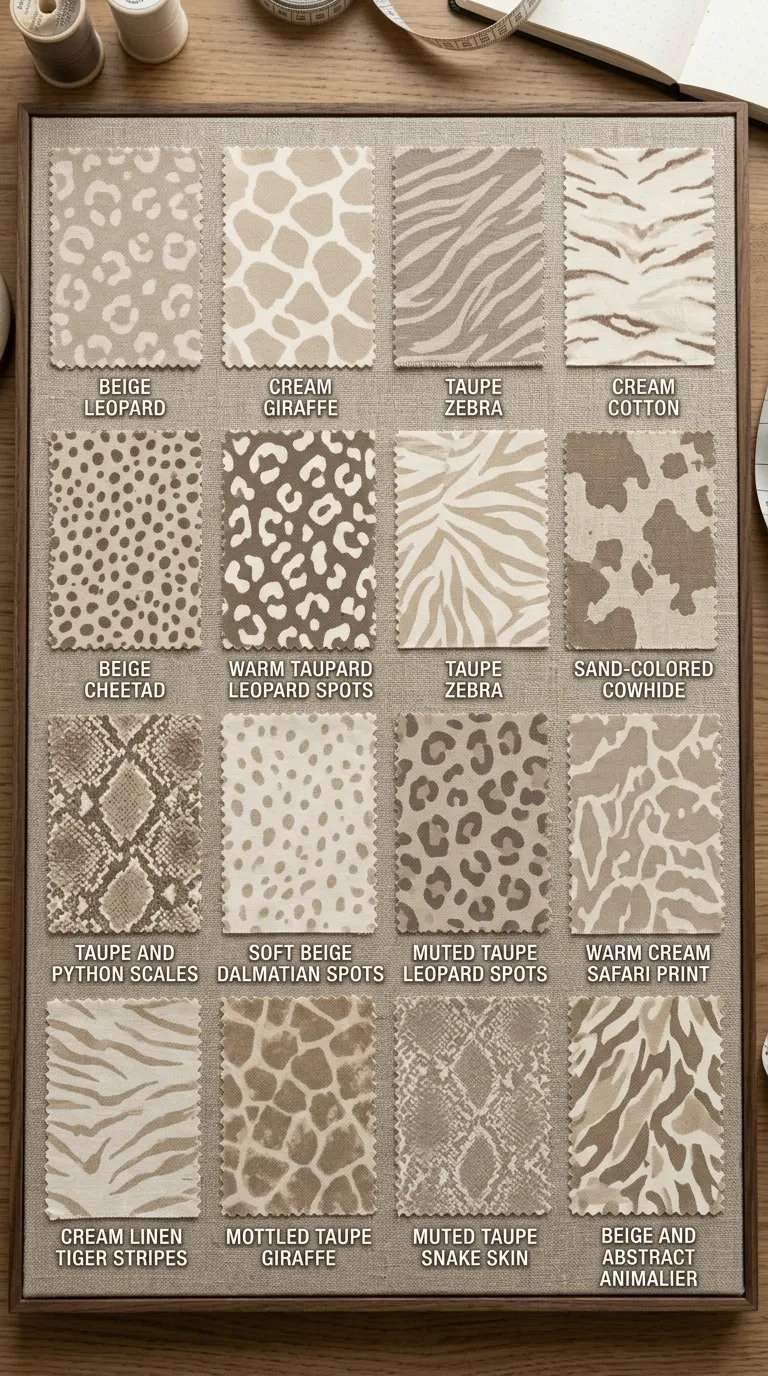
For fawn print, warm creams, soft caramel, and gentle taupe form the most popular base and spot combinations. For butterfly wing designs, soft orange-to-cream gradients paired with dark brown veining have become the most requested combination, though cooler lavender-to-blue gradients with black veining offer a striking alternative for anyone wanting a slightly more dramatic take while staying within the softened, delicate spirit of the trend. Considering shape alongside pattern placement helps animal print nails look intentional rather than busy.
Delicate Animal Print vs. Bold Traditional Prints
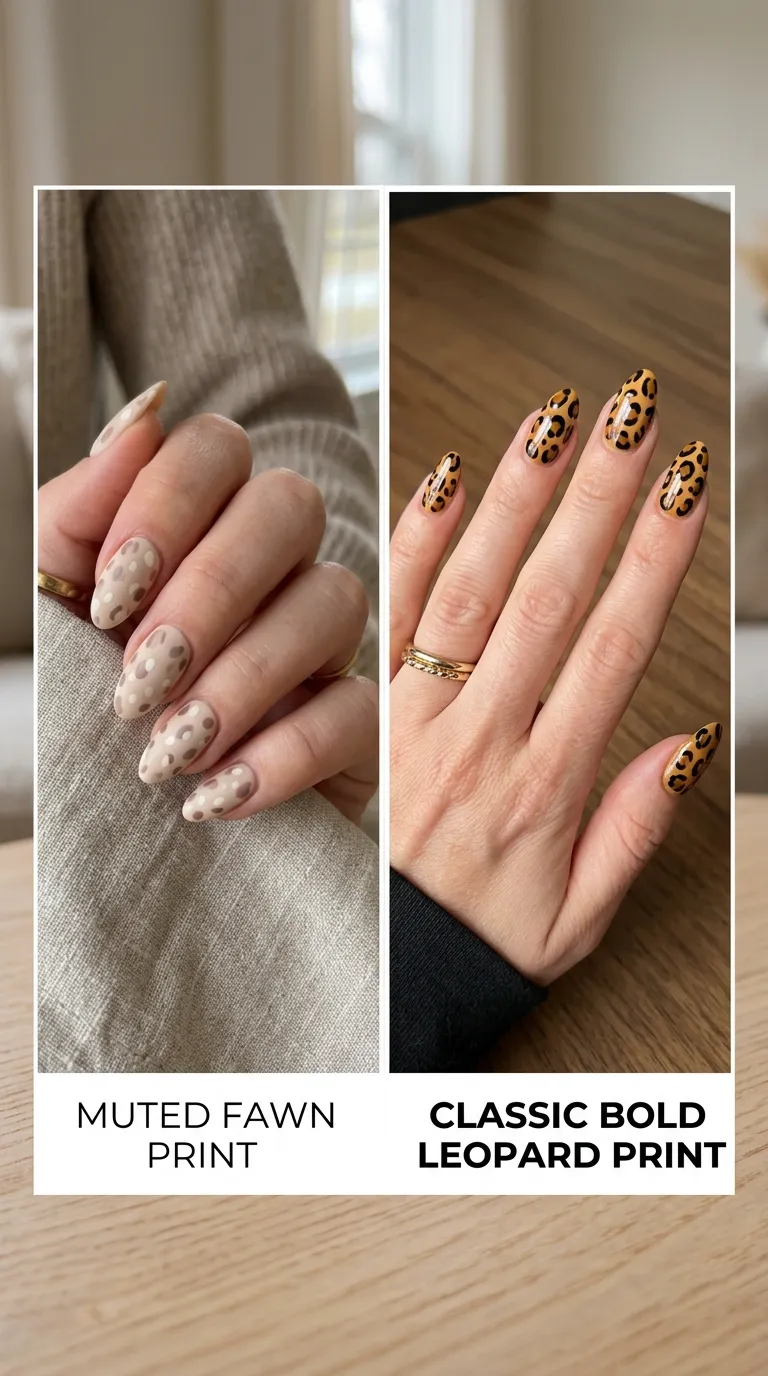
It is worth being explicit with your nail technician about which version you want, since simply saying “animal print” without further detail will likely get you the bold, high-contrast leopard or zebra pattern most people default to picturing. Bring reference photos specifying fawn print or butterfly wing print, and use language like “soft,” “blended,” or “watercolor” to steer the conversation away from the sharper, more traditional interpretation. Mentioning that you want a muted, tonal palette rather than black-and-gold or black-and-white contrast will also help your artist understand the intended effect before they start.
Pairing Delicate Animal Print With Other Seasonal Trends
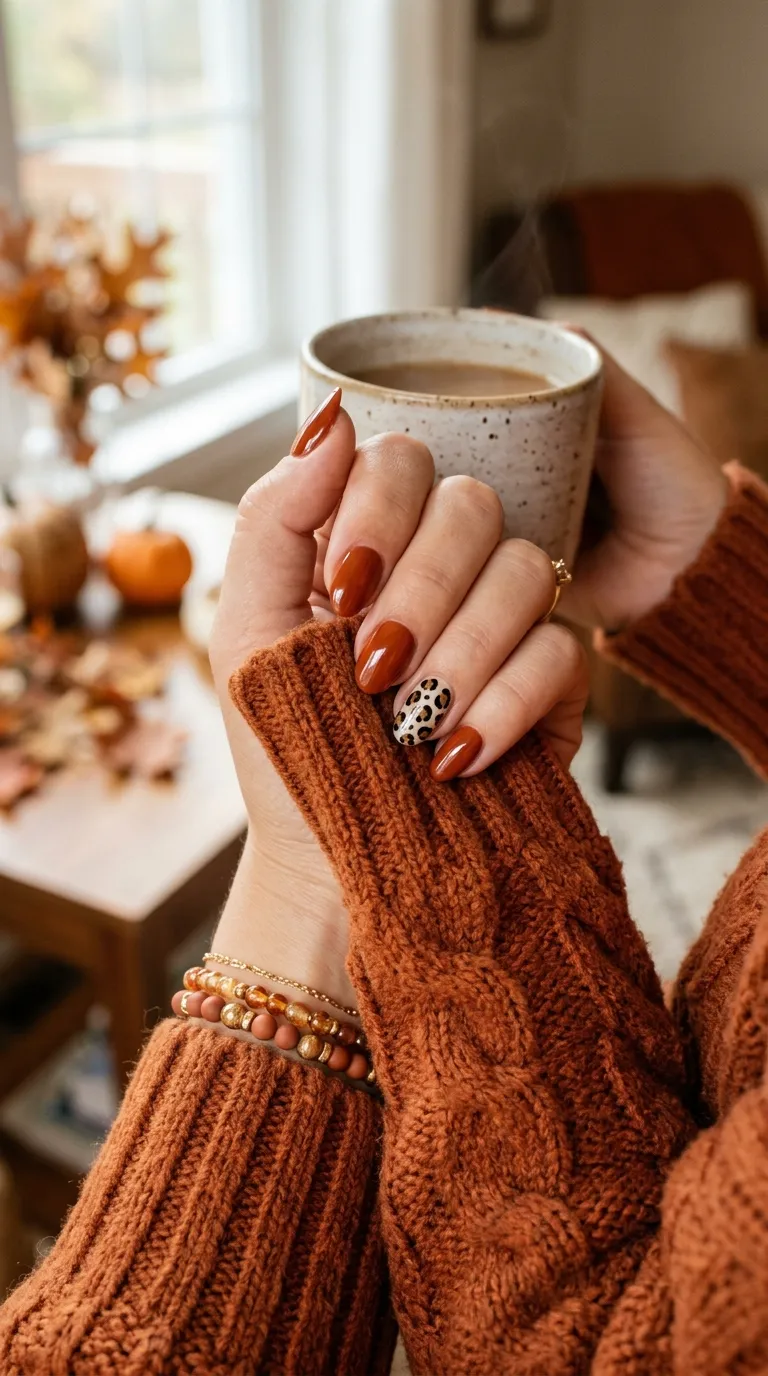
Because the palette leans warm and neutral, this style pairs naturally with several other trends already popular this season. A single fawn print accent nail looks especially pretty alongside soft, romantic looks similar to those covered in our doily nails for weddings feature, since both styles share a delicate, lace-like sensibility even though the techniques differ. It also complements the broader seasonal palette explored in our fall nail inspiration roundup, particularly the warmer caramel and cream tones that show up across both trends.
For clients who want a slightly more nature-forward full set rather than a single accent nail, pairing fawn print with soft floral touches similar to those in our blooming gel nails coverage creates a cohesive, garden-meets-woodland aesthetic that has become popular for spring wedding guest appointments and bridal party bookings alike, echoed in some of the softer looks in our wedding nail ideas gallery. This seasonal pairing is one more reason animal print nails have stuck around.
Nail Shape and Length Considerations
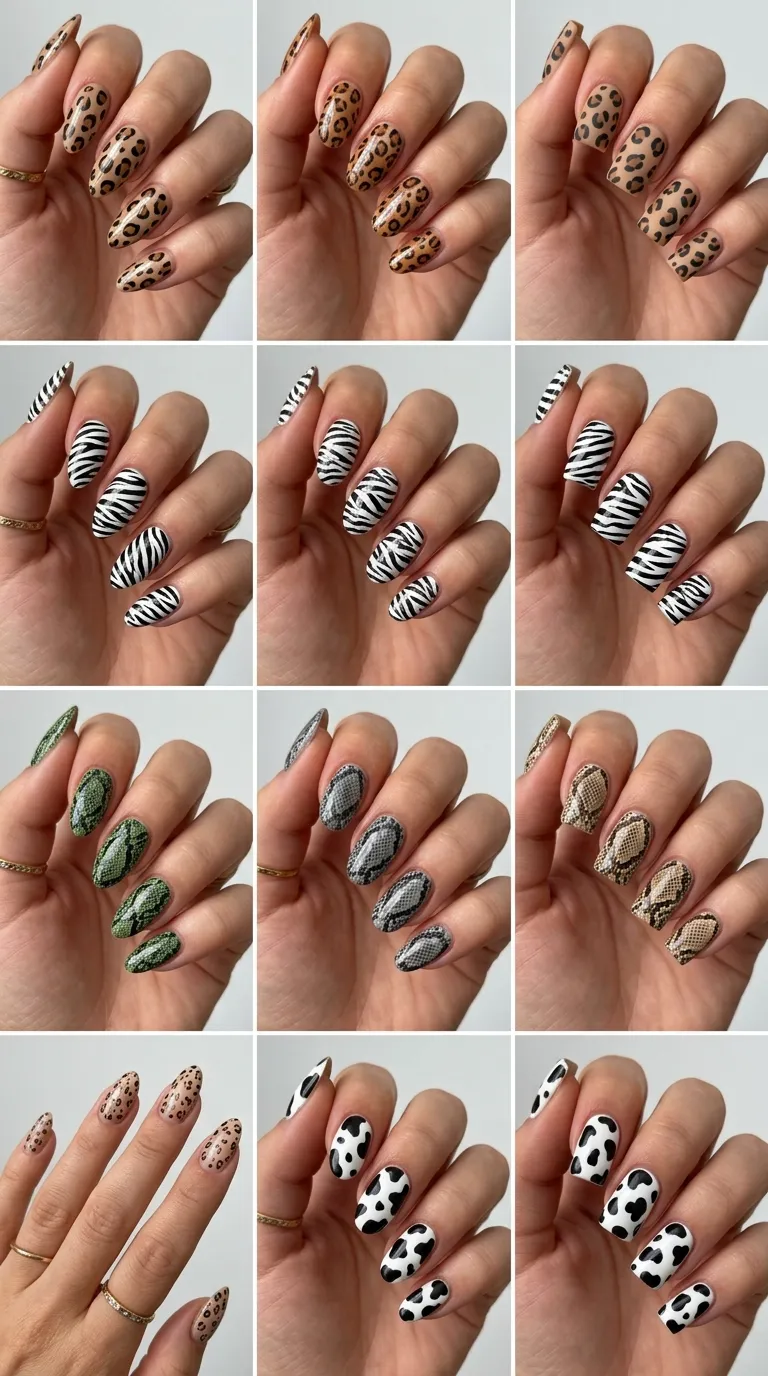
Short to medium almond and soft square shapes tend to showcase this style best, since the smaller canvas keeps the softened pattern from feeling busy. On longer nails, artists typically scale the pattern up slightly and often reserve the more detailed butterfly wing linework for one or two accent nails rather than covering all ten, letting simpler blended color washes carry the remaining nails so the overall look stays balanced rather than overwhelming. Getting the shape right first makes animal print nails easier to maintain long term.
At-Home Options for Trying the Look
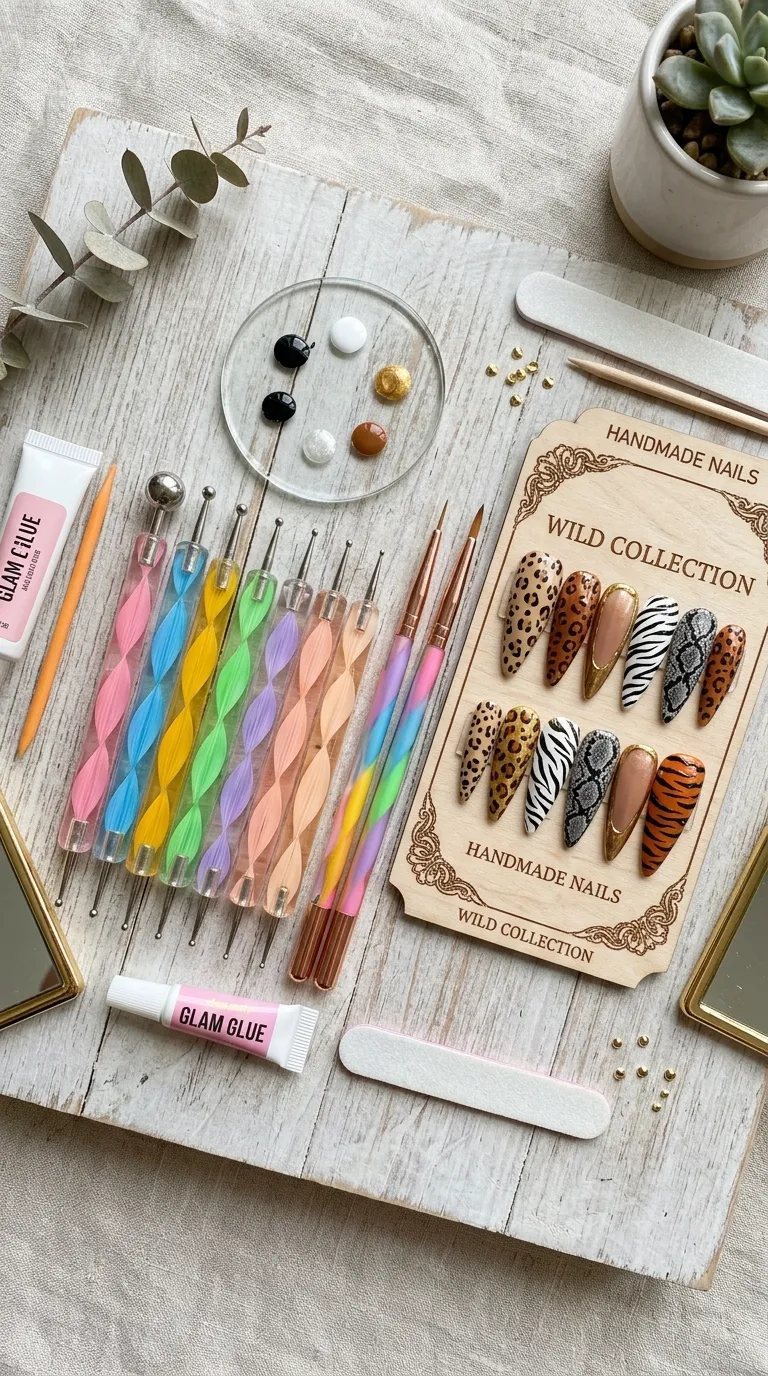
If a full salon appointment is not in the cards right now, a simplified version of fawn print is achievable at home using a fine detail nail art brush, a warm cream base polish, and a slightly darker brown polish thinned with a small amount of polish thinner for softer, less defined dots. Butterfly wing designs are trickier to replicate without professional-grade fine liner tools, but nail decal and sticker sets inspired by the trend have started appearing from several indie beauty brands, offering a lower-effort way to test the aesthetic before committing to a full custom set.
Maintaining Delicate Animal Print Nails
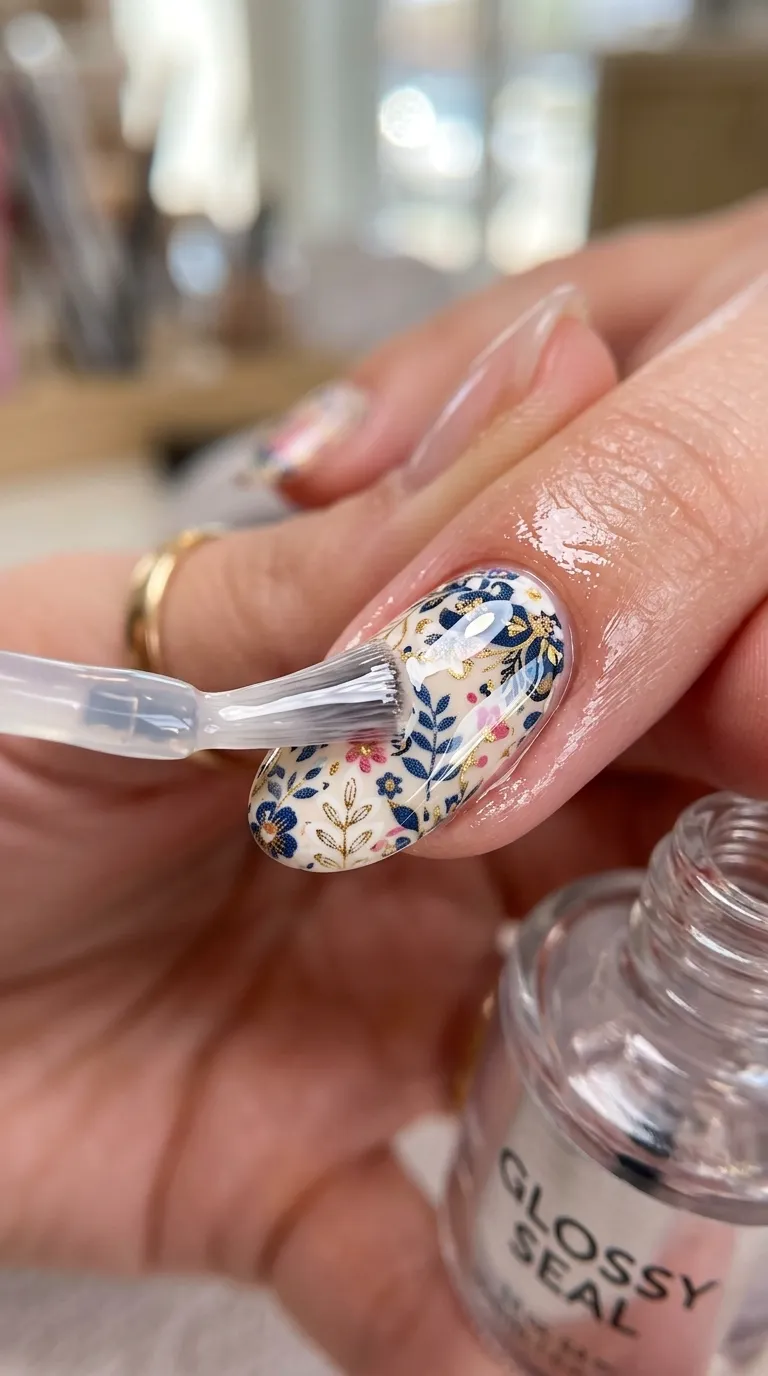
Because the patterns rely on fine detail work, gel application is strongly recommended over regular polish, since gel holds the crisp linework and soft blended edges far longer without smudging or fading. Most clients maintain this style on the standard three to four week gel fill schedule, and because the pattern is intentionally soft rather than high-contrast, minor growth at the cuticle tends to be less visually jarring than it would be with a bold, sharply defined leopard print design. A few simple tools are really all you need to try animal print nails at home.
Frequently Asked Questions About Delicate Animal Print Nails
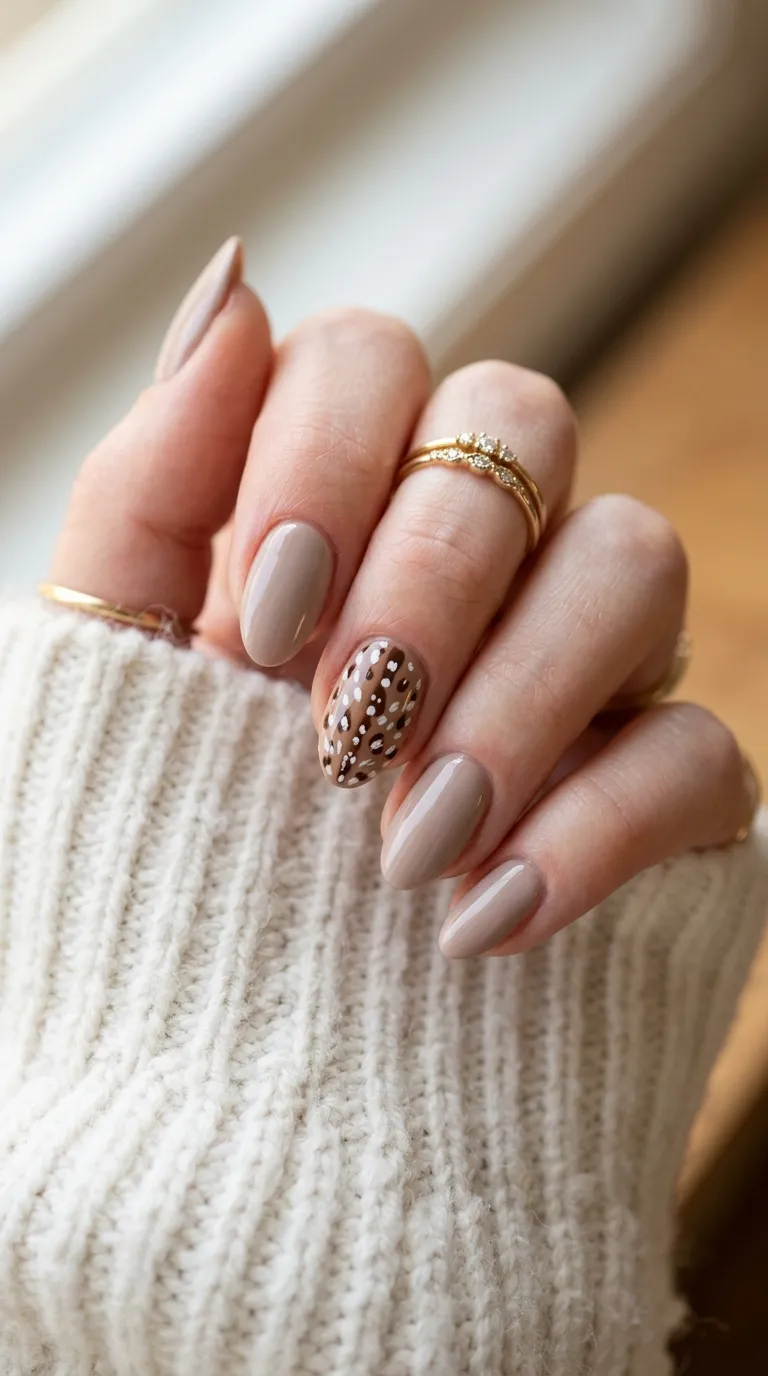
What is fawn print nail art?
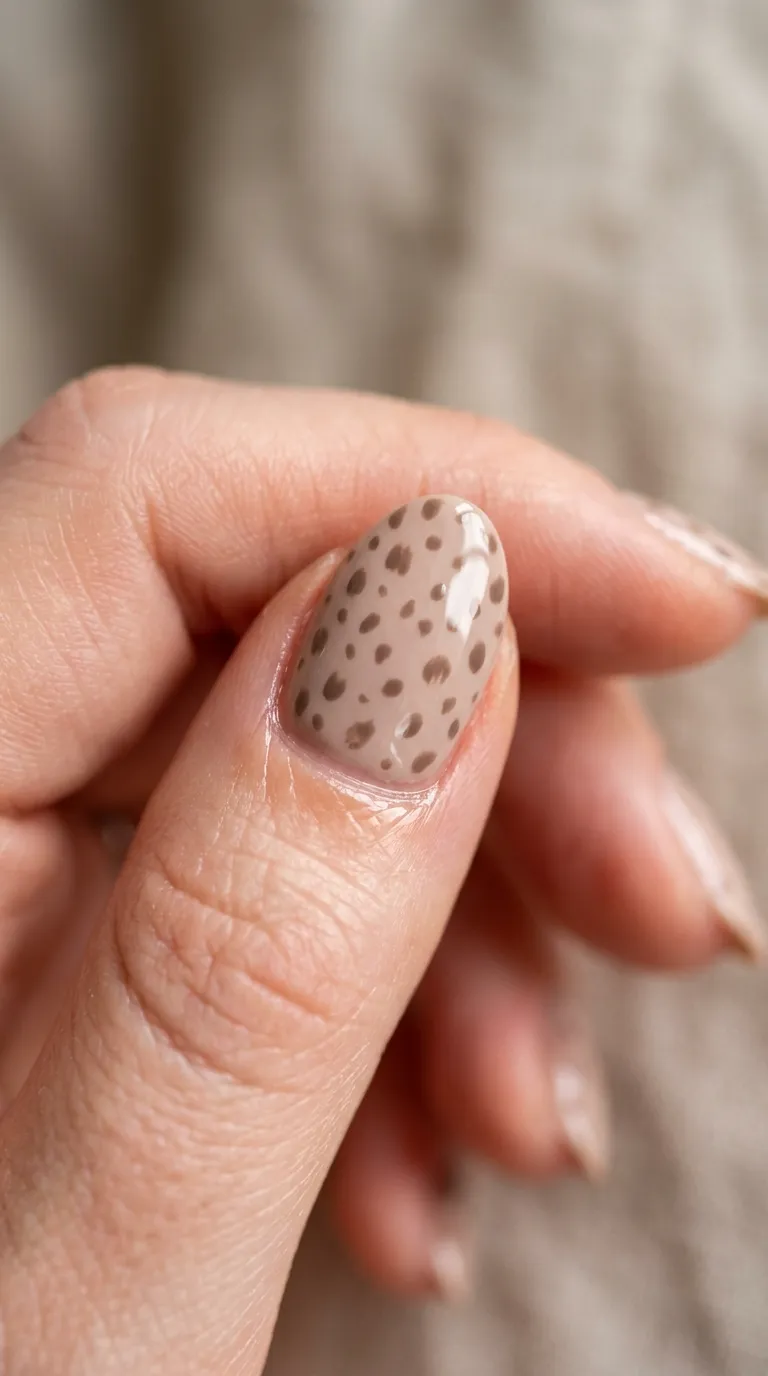
Fawn print, sometimes called Bambi-core, is a soft, nature-inspired take on animal print nail art featuring a warm cream or caramel base scattered with irregular, blended cream or ivory spots reminiscent of a young deer’s dappled coat, rather than the bold, high-contrast rosettes of traditional leopard print. This is often the easiest way to test animal print nails without committing to a full set.
How is delicate animal print different from regular leopard print nails?
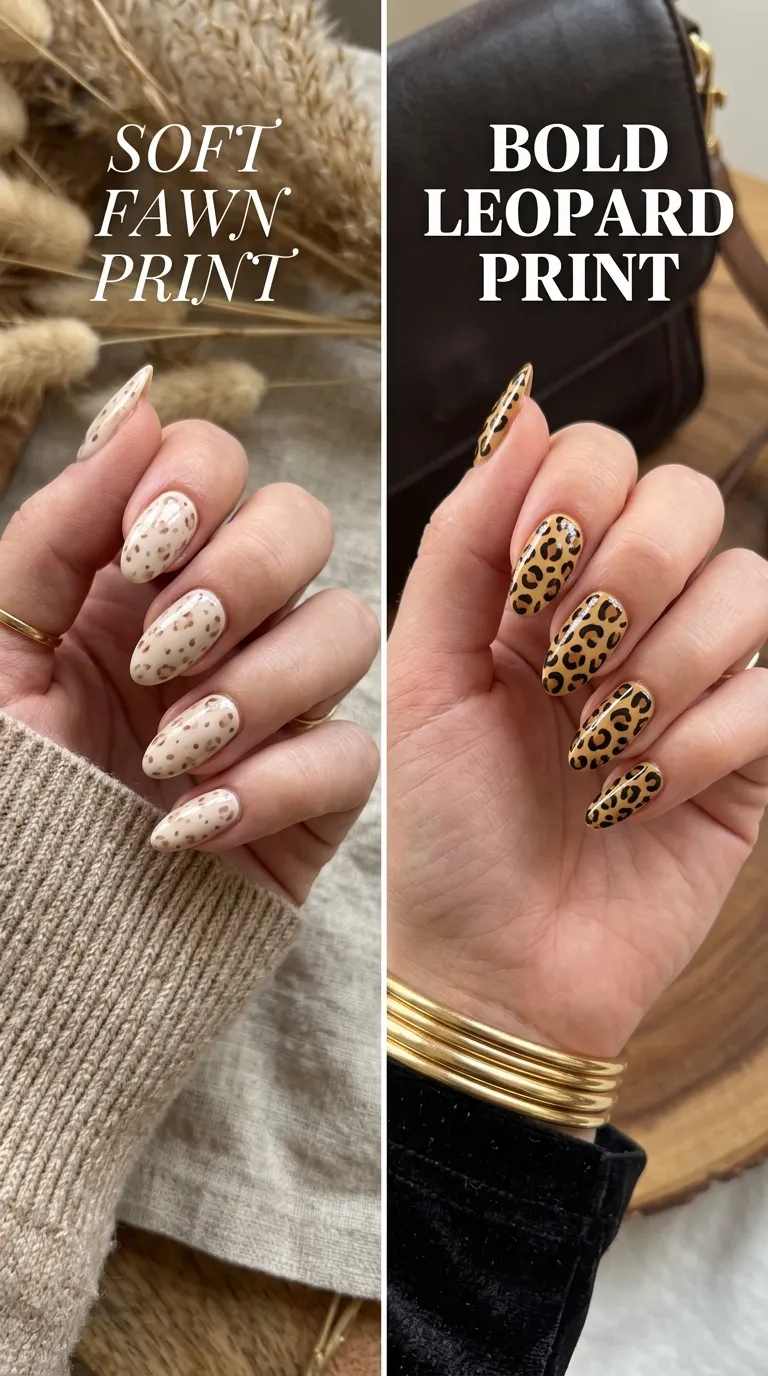
Traditional leopard print uses stark, high-contrast colors and crisply defined rosette shapes. Delicate animal print softens both elements, using muted, closely related tones and blended, less defined edges for a gentler, more romantic overall effect. A good top coat routine keeps animal print nails looking crisp for longer.
What is butterfly wing nail art?
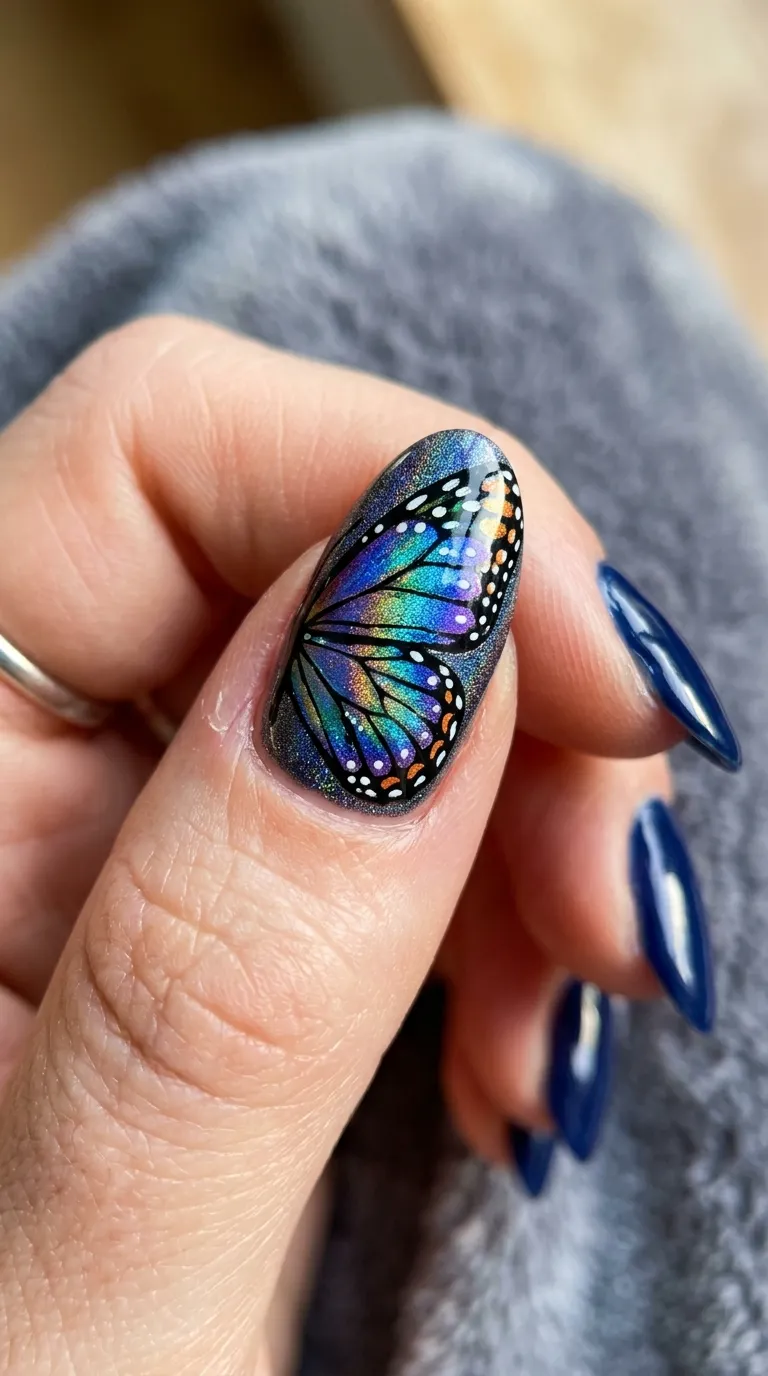
Butterfly wing nail art recreates the intricate, lace-like veining found on real butterfly wings, typically using a soft gradient base topped with fine, branching linework in a contrasting darker shade, sometimes finished with a light dusting of iridescent chrome powder for extra shimmer. This makes upkeep for animal print nails fairly manageable between salon visits.
What nail shapes work best for this trend?
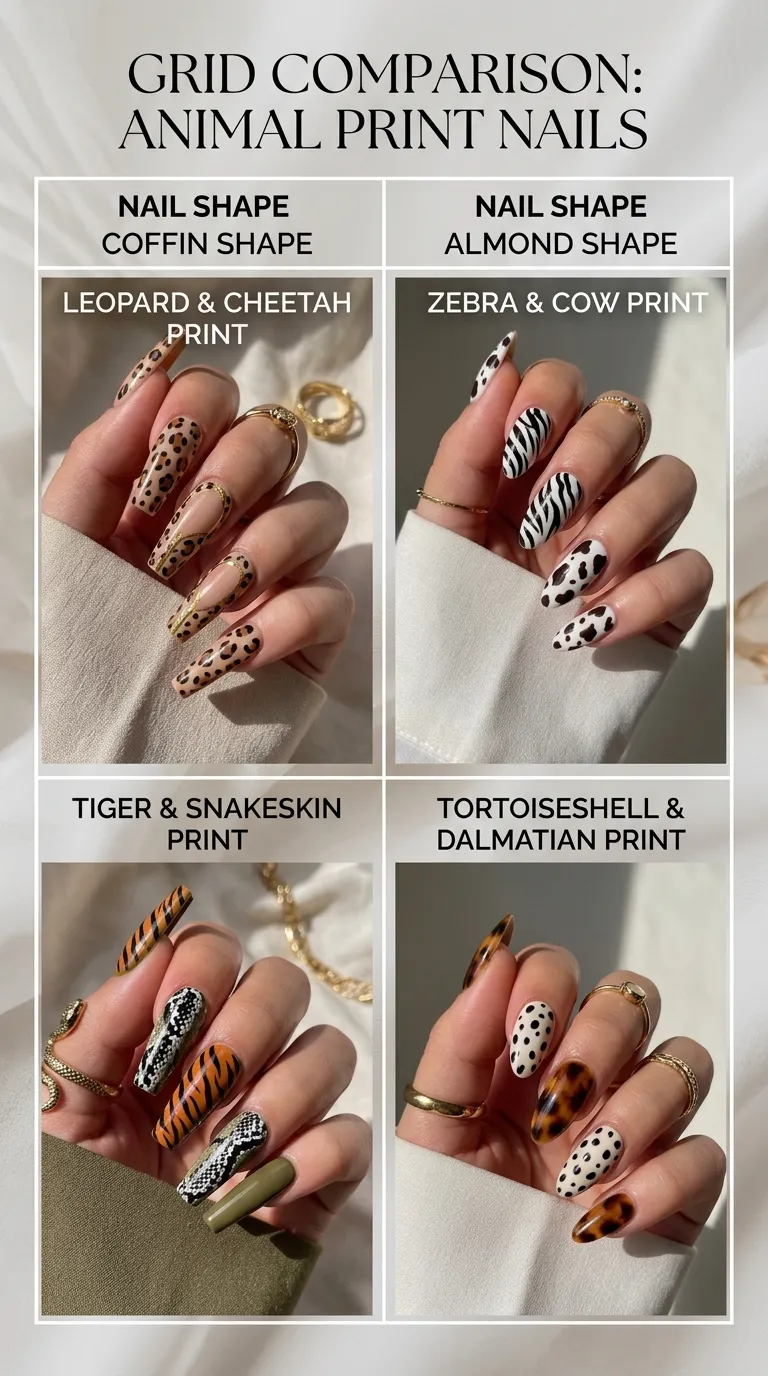
Short to medium almond and soft square shapes tend to showcase the softened pattern most effectively, since the smaller canvas prevents the delicate design from looking overly busy or cluttered. This is the question most people ask before committing to animal print nails for the first time.
How long does this style last?
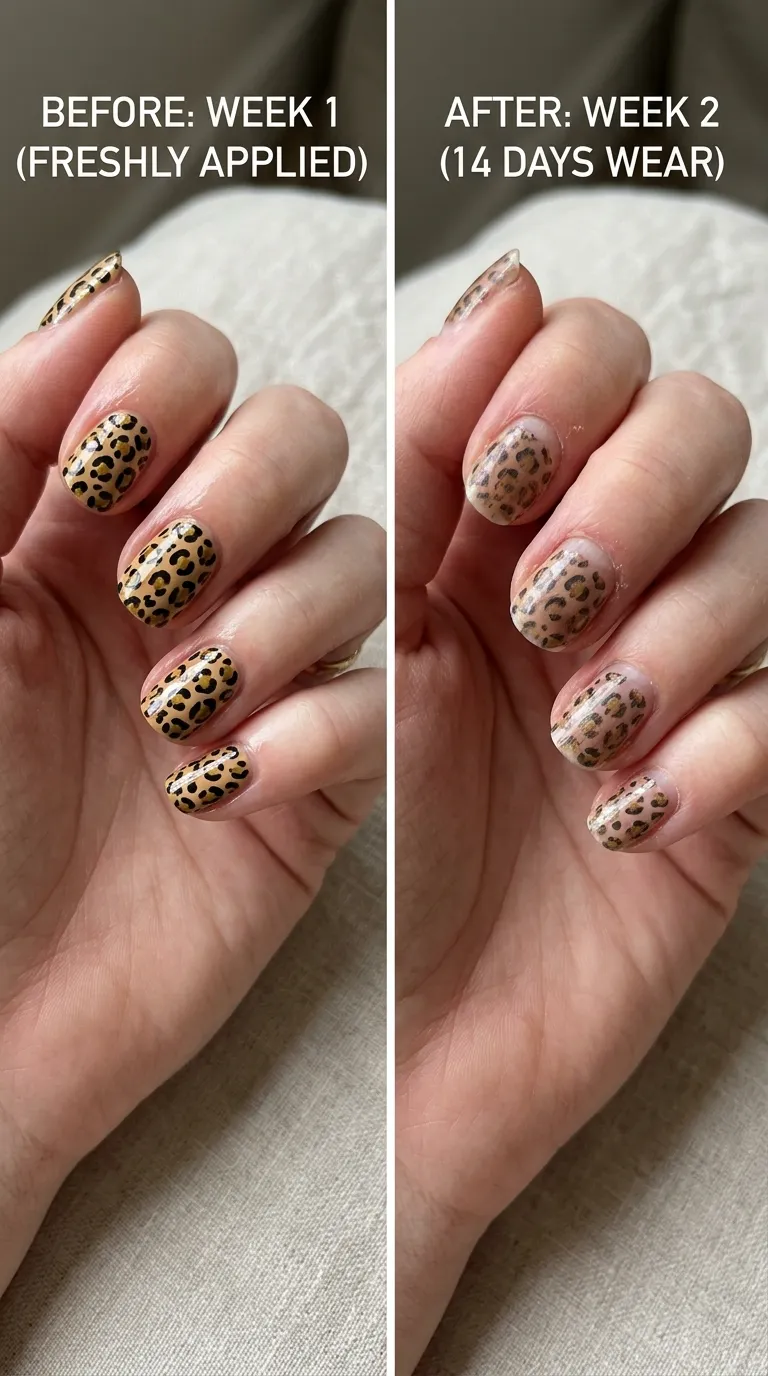
Applied with gel, delicate animal print nails typically last the standard three to four weeks before a fill is needed, and the muted, soft-edged pattern tends to show growth less obviously than a bold, high-contrast print would.
Can I get this look with just one accent nail instead of a full set?
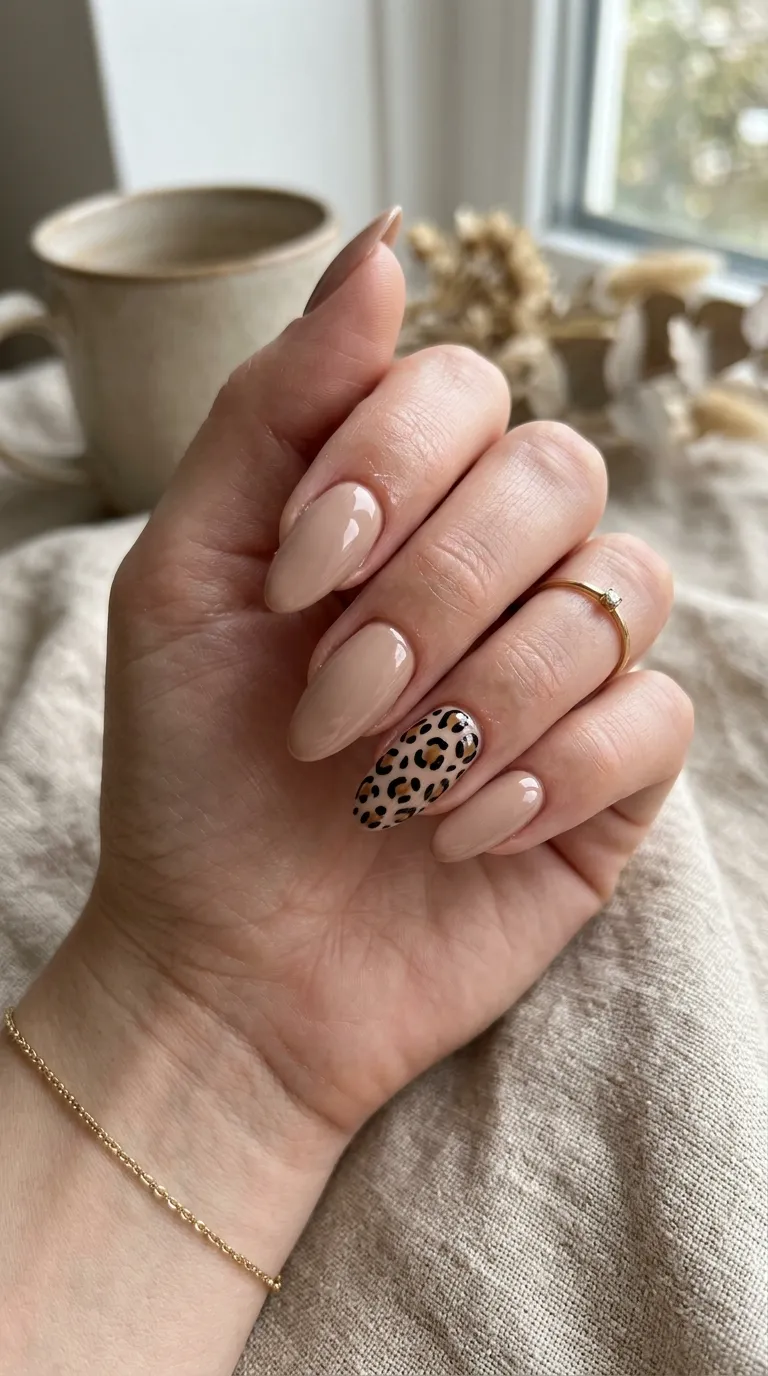
Yes, and it is actually one of the most popular ways to wear this trend. Many clients choose a single fawn print or butterfly wing accent nail paired with a simple neutral or nude polish on the remaining nails for a subtler take on the style. This detail matters most for anyone wanting animal print nails to last.
The Cultural Shift Behind Softer Nature Motifs
To understand why this quieter take on a classic pattern has caught on so widely, it helps to look at what came right before it. The last several years of nail art trended toward either stark minimalism, think glass-like milky nails and single-tone glazed finishes, or maximalist, highly graphic art with bold color blocking and sharp geometric lines. Both extremes eventually created an appetite for something in between: detailed enough to feel like real nail art, but soft enough to wear comfortably in professional settings without feeling like a costume accessory.
Nature-inspired motifs more broadly have filled that gap, and the softened take on animal print fits neatly alongside other gentle, organic nail art themes gaining traction this year, from subtle botanical linework to muted watercolor washes. What makes the fawn and butterfly wing variations particularly interesting is that they let wearers reference something wild and untamed, an animal pattern, without any of the boldness traditionally associated with that category, which is a genuinely new combination rather than simply a lighter color palette applied to an old idea. That’s part of why animal print nails photograph so differently depending on which variation you choose, something recent coverage of the trend has also noted.
Working With Your Nail Artist on Custom Placement
Because this style rewards subtlety, many clients choose to work with their technician on a custom placement plan rather than covering all ten nails identically. A common approach places the more detailed butterfly wing or fawn spot pattern on the ring finger and thumb, with the remaining nails carrying a simpler, complementary wash of the same base tone. This keeps the overall hand looking cohesive while drawing the eye toward the two or three nails carrying the most intricate work.
Some clients also request a gradual fade across the hand, starting with a fuller pattern on the pinky and thumb and tapering to an almost solid, pattern-free base on the middle fingers, creating a sense of movement across the whole set rather than a uniform, repeated design on every nail. This kind of custom planning does typically add time to the appointment, so it is worth discussing placement preferences with your artist before the appointment begins rather than deciding nail by nail as you go.
Longevity Tips Specific to Detailed Nail Art
Fine linework and soft blended dots are more vulnerable to smudging during application than a solid color coat, so proper curing time between each stage of the design matters more here than with a simpler manicure. A rushed application, where the base, pattern, and top coat are cured too quickly or with insufficient light exposure under the gel lamp, is one of the most common reasons a delicate design ends up looking blurred or muddy rather than crisp and intentional. Shape considerations matter just as much here as they do for any other take on animal print nails.
Once the set is finished, treating the nails gently for the first few hours, avoiding hot water immersion and heavy hand cream application right away, helps the top coat fully settle and reduces the risk of smudging fine details before the gel has completely hardened.
Choosing an Artist With Fine Detail Experience
Not every nail technician is equally comfortable with fine liner work, and this style leans heavily on that specific skill. When browsing portfolios, look closely for close-up, well-lit photos that show the actual dot and line detail rather than a flattering but blurry full-hand shot. A technician who regularly posts macro-style photography of their fine linework is generally a safer bet for this kind of design than one whose portfolio consists mostly of solid color sets or bold, chunky nail art. This is exactly the kind of detail that separates a good animal print nails set from a great one.
It is also reasonable to ask directly whether an artist has experience with fine detail brushwork, watercolor blending, or similar delicate techniques before booking, especially if you are requesting a full ten-nail design rather than a single accent nail. A quick, honest conversation about experience level can save both you and your technician from an appointment that runs long or produces a result that does not match the soft, blended reference photos you brought in.
Wearing the Trend Beyond a Single Season
Unlike some highly specific seasonal color trends, the soft, nature-inspired palette behind this style tends to translate well across the calendar. Warmer fawn tones feel especially at home during the cooler months, while butterfly wing designs in lighter, brighter gradients shift naturally into spring and summer without needing a full redesign, just a lighter base color and gradient shift. This adaptability is part of why a number of clients have kept some version of this pattern in regular rotation for several appointments running, rather than treating it as a one-off statement look tied to a single event or season.
For anyone newly curious about the style, starting with a single accent nail is a low-commitment way to see how the pattern wears and photographs on your own hands before deciding whether to expand to a full set at a future appointment. That cultural shift is worth understanding before your next animal print nails appointment.
Ultimately, what makes this softened take on a familiar pattern so appealing is how much room it leaves for personal interpretation. Two clients requesting the same fawn print reference photo can end up with noticeably different results depending on base tone, spot placement, and how much blending their artist applies, and that variability is part of the charm rather than a drawback.
Print and pattern work is one of several techniques worth having in your rotation — our nail art techniques guide for 2026 covers animal print alongside chrome, ombré, and marble finishes.
Compare Before You Choose
See the Closest Alternatives
Compare nearby shapes, colors and finishes before picking a final reference.
Recommended Next
Mismatched Nails 2026: 50+ Mix and Match Ideas That Actually Look Good
Read the guide →