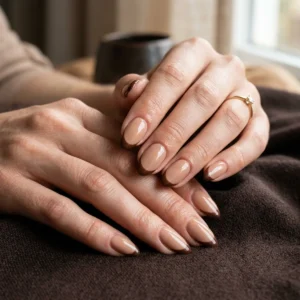
Most nail trend content is organized by season or occasion — summer nails, wedding nails, Halloween nails. That’s useful, but it misses a second way people actually search and choose: by technique. Chrome, jelly, ombré, cat-eye, marble, and print are styles you can wear year-round, mix into any seasonal look, and request by name at a salon regardless of what month it is. This guide is the technique-first map — a rundown of the core nail art techniques trending in 2026, what makes each one distinct, and which of our in-depth guides to read next depending on which one you’re drawn to.
Thinking in techniques rather than trends also solves a practical problem: trends age out, but techniques don’t. Chrome powder application, sponge-blended gradients, magnetic cat-eye polish, and hand-painted linework are all skills that stay useful regardless of which specific color or theme is popular this month. Learn the technique once, and you can apply it to whatever color story or seasonal look comes next, rather than starting over every few months.
Chrome and Mirror Finishes
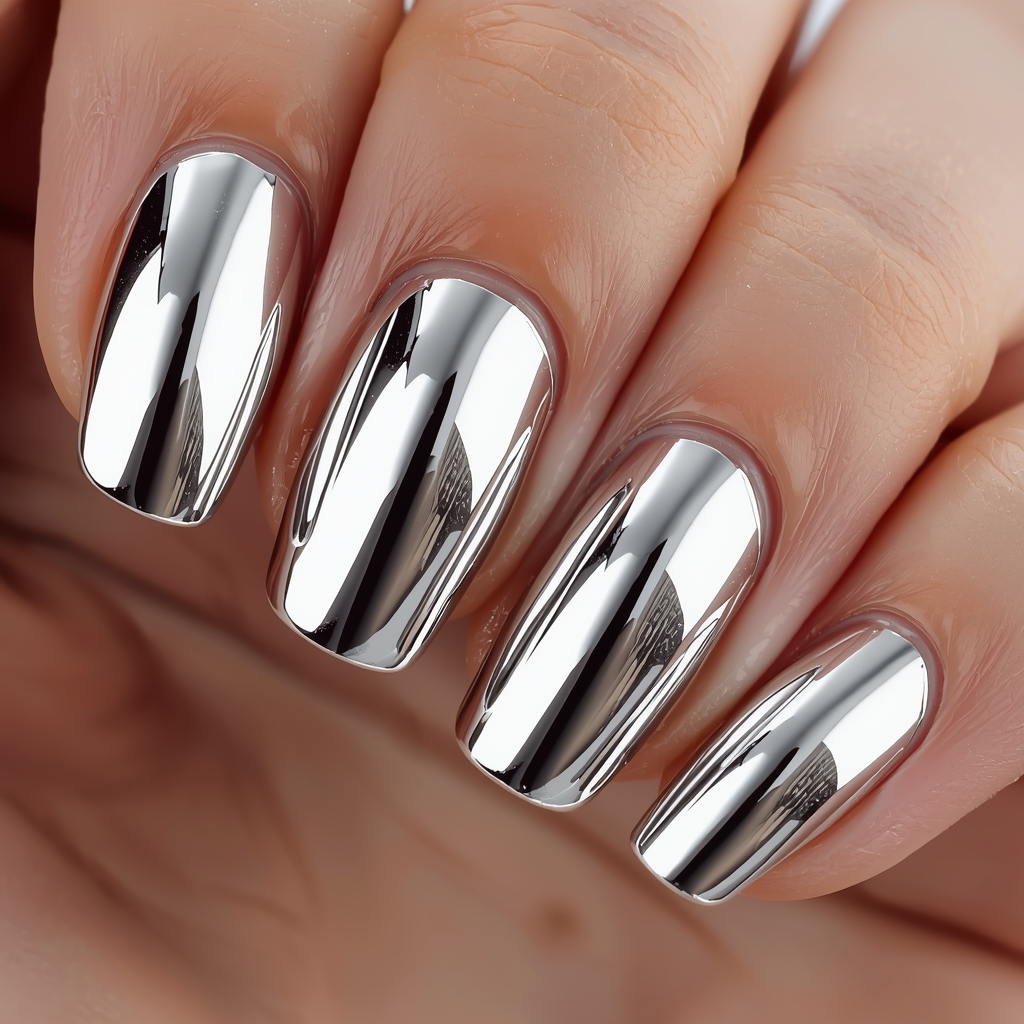
Chrome is the technique most responsible for nail art’s shift from “polish” to “finish” as the thing people search for. Instead of a color, you’re choosing a reflective quality — mirror-bright metallic powder buffed over a base coat, producing a high-shine surface that behaves more like a mirror than traditional polish. It works across nearly every color family, which is why you’ll see it layered into seasonal, occasion, and color-trend content across this site rather than living in one place. For the full rundown of finishes, application methods, and color-specific chrome looks, see our chrome and mirror nails guide.
Ombré and Gradient Fades
Ombré nails blend two or more colors into a smooth gradient, usually darker at the cuticle and lighter toward the tip, though reverse and horizontal variations are both common in 2026. It’s a technique rather than a color story, which means it shows up constantly as a modifier — “ombré checkerboard,” “ombré French tip,” “sunset ombré” — layered on top of whatever the base trend happens to be. Our ombré and gradient manicures guide covers the sponge-blending technique in detail along with color pairing recommendations.
Cat-Eye Nails
Cat-eye polish uses magnetic particles suspended in the formula — a magnet held over the wet polish pulls the particles into a light-catching line, producing a striped, luminous effect that shifts as your hand moves. It’s a lower-effort way to get a genuinely eye-catching finish, since the magnet does most of the work rather than freehand painting. See our cat-eye nails guide for a full walkthrough of the technique and this year’s most requested colorways.
Marble Nails
Marble technique creates the swirled, veined look of natural stone using either a water-marbling method (dropping polish colors into water and swirling before dipping the nail) or a dry brush-drag method that’s more controllable for beginners. Because no two swirls come out identical, marble nails read as one-of-a-kind even when everyone in a friend group asks for the “same” look. Our marble nails guide breaks down both application methods along with the jade colorway that’s trending heading into 2026.
Jelly and Translucent Finishes
Jelly nails use a sheer, glossy base that lets some of the natural nail show through, similar in spirit to old-school jelly sandals or gummy candy. It’s broad enough as a technique family — spanning clear, milky, syrup-toned, and glazed variations — that we cover it as its own dedicated hub rather than folding it in here. Start with the jelly nails aesthetic guide for the full family of translucent finishes and which specific variation fits your style.
Geometric and Checkered Patterns
Geometric nail art relies on straight lines and repeatable shapes rather than freehand imagery, which makes it one of the more forgiving categories for anyone new to nail art — a slightly uneven line still reads as intentional in a way an uneven flower doesn’t. Checkerboard grids are the most popular geometric pattern going into 2026, built with thin striping tape rather than a steady freehand hand. Full technique breakdown, color pairings, and five looks to try are in our checkered nails guide.
Print and Pattern Nail Art
Print-based nail art takes a recognizable textile or material pattern — animal print, lace, crochet — and translates it onto the nail at a smaller, more refined scale than the bold versions you’d see in clothing. Two directions worth knowing:
Delicate animal print softens traditional leopard and snake motifs into muted, fine-line versions — fawn spots and butterfly-wing patterning rather than high-contrast jungle prints. It reads as sophisticated rather than costume-like, which is why it’s held on across multiple seasons instead of being a one-off trend. See the delicate animal print nails guide for color palettes and application technique.
Doily and lace nail art recreates the look of vintage crocheted doilies and lace trim using fine white or cream linework over a solid base — a technique that leans heavily on precision rather than color. It pairs especially well with bridal and vintage-inspired styling. Full technique and base color recommendations are in our doily nails guide.
Floral Nail Art
Floral nail art spans everything from a single hand-painted accent bloom to a full garden across all ten nails, and the technique underneath varies by how detailed the flower is. Two florals worth knowing by name:
Sunflower nail art uses bold yellow petals and a textured brown or gold center, often as a single statement accent nail rather than a full set. See 20 sunflower nail art ideas for the full range, from full-bloom coverage to negative-space designs.
Butterfly nail art ranges from a micro accent butterfly to full iridescent wing coverage using color-shifting polish, and is one of the more versatile florals since it works equally well minimal or maximal. Our butterfly nail art guide covers five distinct looks and the techniques behind each.
Choosing a Technique Based on Skill Level
Not every technique on this list requires the same skill investment, and picking one that matches your actual patience level (rather than just what looks best in photos) makes a real difference in how the finished manicure holds up.
- Easiest to start with: chrome (powder does most of the work), cat-eye (the magnet does most of the work), checkered grids with striping tape.
- Moderate, benefits from practice: ombré/gradient blending, marble (water method especially), delicate animal print.
- Most technically demanding: doily/lace fine-line work, detailed floral (butterfly wing shading, full sunflower coverage), any combination technique (ombré checkerboard, chrome-topped marble).
If you’re deciding between a salon visit and doing it yourself, the general rule holds across every technique here: powder- and magnet-based effects (chrome, cat-eye) are the most realistic first at-home attempts, while anything requiring a steady freehand line (doily lace, detailed florals) is where a salon visit buys you the most noticeable improvement in result.
Tools That Show Up Across Multiple Techniques
A handful of tools do double or triple duty across the techniques above, which means you don’t need a separate kit for each one:
- A small detail or nail art brush — used in marble, floral, doily, and print work.
- Striping tape — used in checkered and other geometric patterns, and useful for clean-edged color blocking generally.
- A dotting tool — useful for florals, print spot patterns, and cleaning up nail art edges.
- A magnet specifically sized for nail polish — required only for cat-eye, but inexpensive and worth having if you’re trying that look.
- A reliable top coat — matters more than any single tool, since nearly every technique above involves thin layered detail that wears faster than a solid color without one.
When These Techniques Tend to Peak Seasonally
None of the techniques above are locked to a single season, but a few do have a natural high point in search interest and salon requests worth knowing if you’re timing a manicure around a specific look:
- Chrome: peaks in winter, when reflective, mirror-bright finishes catch artificial indoor lighting well, but stays popular year-round in silver and gold tones.
- Ombré: most requested in summer, especially sunset-toned gradients, though jewel-toned fall ombré has grown steadily each year.
- Marble: fairly consistent across seasons, with cooler blue and green tones trending in spring and warmer terracotta and rust tones in fall.
- Florals (sunflower, butterfly): spring and summer, tied to the broader floral nail art cycle.
- Doily and lace: spikes around wedding season (late spring through early fall) given how closely it’s tied to bridal styling.
- Checkered: holds steady year-round, since the pastel and neon color variations map naturally onto different seasons without the underlying technique changing.
If a technique you like happens to be off-peak for the current season, that’s rarely a reason to skip it — off-season requests are usually easier to book and can read as more distinctive than following whatever’s trending that exact month.
Combining Techniques
Most of the boldest 2026 looks aren’t a single technique in isolation — they’re two stacked together. Chrome over marble, ombré checkerboard, cat-eye with a French tip edge. The safest way to combine techniques without the result looking cluttered is to let one technique carry the color story and the other carry the texture or finish, rather than trying to make both techniques equally loud at once. A saturated marble swirl with a clear chrome top coat reads as intentional; a neon marble swirl under a bold cat-eye stripe usually reads as too much happening on one nail.
A useful test before combining two techniques: pick which one is the “hero” of the manicure and which is the supporting detail. If you can’t answer that question, the combination is more likely to look busy than intentional once it’s actually on your hands rather than in a reference photo.
How This Fits Into the Rest of Your Nail Planning
Technique is really one of three variables that define any manicure — the other two are color and occasion. Once you’ve picked a technique from this guide, our seasonal and color-trend content is the natural next stop: our 2026 nail color trends guide pairs well with chrome, ombré, and cat-eye specifically, since those three techniques are largely color-and-finish driven rather than fixed patterns. If you’re planning around a specific season instead, our summer and fall guides both reference several of the techniques covered here in seasonal context.
Think of technique, color, and occasion as three separate decisions that combine into a finished manicure — this guide handles the first one, so you can go into a seasonal or color-focused guide already knowing which application method you actually want.
Nail Art Techniques by Occasion
Technique choice matters as much as color when it comes to matching a manicure to an occasion. A few practical pairings worth knowing:
- Work or school: chrome (subtle, reads as polished rather than “art”), delicate animal print, cat-eye in a muted tone.
- Weekend or casual: checkered grids, sunflower or butterfly accents, marble.
- Events and photos: ombré, bold cat-eye, full-coverage floral — anything that reads well under flash photography.
- Weddings and formal occasions: doily and lace work, pearl-adjacent chrome, restrained marble in soft tones.
None of these pairings are fixed rules — a bold cat-eye works fine for a casual weekend, and a subtle chrome finish can absolutely be a wedding choice. They’re starting points for narrowing down which technique fits the moment, not a strict dress code for your nails.
How to Ask for These Techniques at a Salon
Naming the technique specifically, rather than describing the look in general terms, gets you a more accurate result and usually a faster consultation. “Chrome powder over a nude base” gets a more precise result than “shiny nails.” Bringing a reference photo helps further, especially for marble and floral work where the exact placement and density of the pattern varies a lot between photos labeled the same trend name.
It’s also worth asking your nail tech directly which of these techniques they specialize in — not every salon offers cat-eye (it requires a specific magnetic polish they may not stock) or fine doily linework (it’s genuinely one of the more time-consuming techniques on this list, and some salons price it as a premium add-on accordingly).
Nail Health Considerations Across Techniques
Techniques that involve more layering — chrome (base, powder, sealer), marble (multiple wet colors), and any combination technique — put more product on the nail than a single-color manicure. That’s not inherently damaging, but it does mean removal deserves more care: soak off rather than pick, and give nails a short rest between elaborate sets if you’re rotating through several of these techniques back to back.
Fine-detail techniques (doily lace, detailed florals) are usually done with thin brush strokes rather than heavy product buildup, so they’re lighter on the nail itself — the tradeoff is that they show wear and chipping faster, since a single lifted line is much more visible in a detailed pattern than in a solid color block.
Budget-Friendly Ways to Try Multiple Techniques
You don’t need to commit to a full ten-nail set to try a new technique. A single accent nail — one chrome nail, one marble nail, one doily nail among an otherwise solid set — is a low-cost, low-commitment way to test whether you like a technique before requesting (or attempting) it across a full manicure. This is especially useful for techniques that require specialty tools, like cat-eye magnets, where buying a full kit before you know if you’ll keep using it may not be worth it.
Frequently Asked Questions About Nail Art Techniques
Which nail art technique is easiest for a first-timer?
Chrome and cat-eye are the most forgiving, since a powder or a magnet is doing most of the precision work rather than a steady hand. Both are realistic to attempt at home on your first try.
Can these techniques be combined with seasonal or color trends?
Yes — that’s how most of them are actually worn. Chrome, ombré, and marble in particular show up across nearly every seasonal and color-trend guide on this site, since they’re finishes and application methods rather than a single fixed look.
Which technique lasts the longest?
Chrome and cat-eye tend to hold up best, since both are largely color/finish rather than fine linework, so minor wear is less visually obvious. Doily, lace, and detailed floral work show chipping and wear fastest, since any lifted edge breaks the fine detail immediately.
What’s the difference between a “technique” and a “trend”?
A trend is a specific look tied to a moment — a particular color, theme, or cultural reference that has a shelf life. A technique is the underlying application method used to create that look, and it doesn’t expire the same way. Chrome as a technique has stayed relevant for years even as the specific chrome colorways in style have changed every season.
Do I need a salon for all of these, or can most be done at home?
Most are realistic to attempt at home with practice. The exceptions are techniques requiring a genuinely steady freehand line at fine detail — doily lace work and highly detailed floral pieces — where a salon visit produces a noticeably cleaner result than most people can achieve on their first few attempts.
Compare Before You Choose
See the Closest Alternatives
Compare nearby shapes, colors and finishes before picking a final reference.
Recommended Next
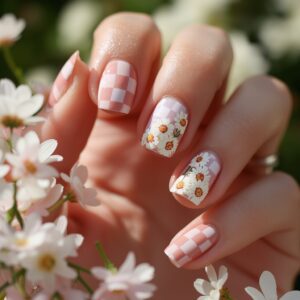
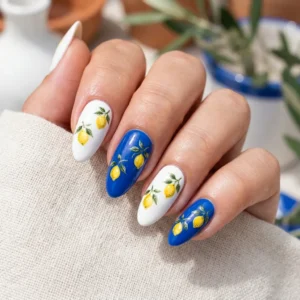
Mediterranean Nails 2026: 10 Stunning Designs Inspired by the Amalfi Coast
Read the guide →