If your nails keep splitting, peeling, or breaking the moment they grow past your fingertips, you are not alone — and you do not need expensive treatments to fix them. Learning how to strengthen nails is mostly about small, consistent habits: gentler filing, daily moisture, and giving your nails a break from harsh products.
This guide walks you through 12 practical tips that actually work, plus what to avoid and when a nail problem is worth showing to a professional. No miracle cures — just habits you can start today. By the end, you will know exactly how to strengthen nails at home, step by step.
Why Nails Get Weak
Nails are made of keratin, the same tough protein as hair. A healthy nail plate is flexible enough to bend slightly without snapping, with a smooth surface and a firm free edge. When nails get weak, they lose that flexibility: they split at the sides, peel in layers, or snap with the lightest pressure.
Before you learn how to strengthen nails, it helps to know what is weakening them. The usual culprits are over-filing, harsh acetone removers, picking and peeling, constant water exposure, and enhancements removed the wrong way. Age, frequent hand washing, and harsh cleaning chemicals play a part too. That is why a routine for how to strengthen nails starts with removing the damage, not adding products.
The good news: nails grow continuously, so every habit you change today shows up in new, healthier nail within weeks. Here are the 12 tips, in the order that makes the biggest difference.
One more thing worth knowing: nail weakness is rarely caused by one single thing. It is usually a combination — filing too hard, plus acetone, plus water exposure, plus picking — and that is why a full routine for how to strengthen nails beats any single miracle product. Fix the combination, and the nails follow.
12 Tips to Strengthen Your Nails
Tip 1: File Gently, in One Direction
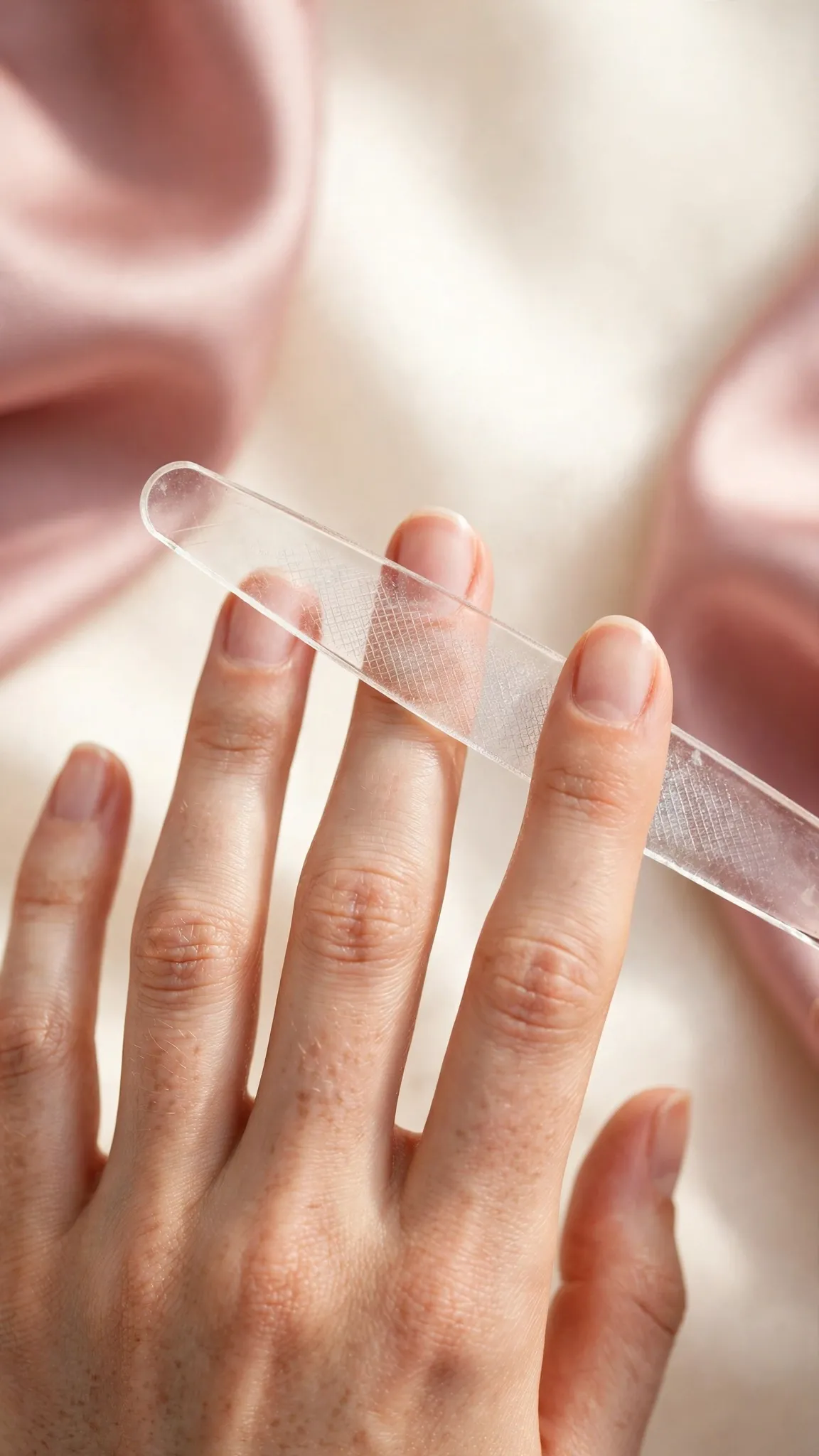
Sawing back and forth with a coarse emery board creates tiny tears along the free edge, and those tears become splits. Instead, use a fine-grit glass file or a soft emery board, and file in one direction only, from each side toward the centre.
Keep strokes light and short, and check the shape as you go. Rounded or squoval shapes are more forgiving than sharp square corners, which catch and break more easily. If you are learning how to strengthen nails, this single change — gentle, one-direction filing — prevents more breakage than any product.
If your nails are already splitting, file the split back to smooth nail first, then keep the length short for a week or two. A smooth edge does not catch on fabric or hair, which is one of the most common ways a small split turns into a full break.
Tip 2: Keep Them Short While They Recover

Long nails look beautiful, but length is leverage: the longer the free edge, the more force lands on a weak nail. While your nails recover, keep them short — just past the fingertip — so they can grow out strong instead of snapping.
Trim little and often rather than cutting a lot at once, then smooth the edge with your glass file. As the new, healthier nail grows in, you can let the length increase gradually.
Short does not mean stubby. A neat, slightly rounded short nail with a smooth edge and a coat of base coat looks polished and intentional — and it is the fastest way to learn how to strengthen nails that keep breaking at length.
Tip 3: Oil Your Cuticles Every Day

Dry nails are brittle nails. A daily drop of cuticle oil — jojoba, sweet almond, or vitamin E oil all work well — keeps the nail plate and surrounding skin flexible, so nails bend instead of breaking.
Massage one drop into each nail and cuticle, ideally at bedtime so it soaks in overnight. This is the cheapest habit in this guide and one of the most effective: in any plan for how to strengthen nails, daily oil is non-negotiable.
Keep the oil where you will actually use it: one bottle by your bed, one in your bag. If you only oil when you remember, it will not happen daily — and daily is what makes the difference.
Tip 4: Use a Strengthening Base Coat

A strengthening base coat adds a thin, flexible shield over the nail plate, protecting it from water and everyday knocks. Look for formulas with keratin, calcium, or nylon fibres, and apply one coat under polish or on bare nails.
Reapply every few days rather than letting it chip and peel, which can lift nail layers with it. Think of it as a top-up, not a one-time treatment: consistent thin layers protect far better than one thick coat.
If your nails are very thin, two thin coats of base coat beat one thick coat, which can peel off in a sheet. Let each coat dry fully before the next, and reapply a fresh coat every two to three days — a core step in how to strengthen nails that peel easily.
Tip 5: Wear Gloves for Wet Work and Chores

Water is one of the biggest enemies of nail strength. Nails absorb water, swell, and then shrink as they dry — and that repeated swelling cycle weakens the plate over time. Dishwashing, cleaning, and long baths all count.
Wear rubber gloves for dishes and cleaning, and cotton-lined gloves if your hands sweat. It feels like a small thing, but cutting daily water exposure is a major step in how to strengthen nails that stay intact.
Cotton-lined gloves are worth it if your hands sweat in plain rubber gloves, since trapped sweat softens nails too. For quick jobs, even thin disposable gloves beat bare hands in dishwater.
Tip 6: Take a Break from Gel and Acrylic

If your nails are peeling or paper-thin, give them a real break from gel and acrylic — at least 2 to 4 weeks. Enhancements are not the enemy, but back-to-back sets with no recovery time leave the natural nail no chance to rebuild.
During the break, follow the rest of this guide: short length, daily oil, base coat, and gentle filing. When you return to enhancements, keep gaps between sets and always have them removed by soaking, never pried off.
Use the break to learn what your natural nails actually look like: their shape, ridges, and growth speed. That baseline makes it easier to spot real improvement — and to judge how to strengthen nails that have been covered for months.
Tip 7: Stop Picking, Peeling, and Using Nails as Tools
Picking at polish, peeling a lifted edge, or using a nail to open a can all strip layers off the nail plate. Every peel takes a thin layer with it, and the nail underneath is thinner and weaker than before.
If polish lifts, remove it properly with remover instead of peeling. Keep a file in your bag so a snag gets smoothed instead of torn. This habit alone stops the peel-break cycle for many people.
If you bite or pick without thinking, keep nails short and keep your hands busy — a stress ball, a file, or cuticle oil to apply instead. Breaking the automatic habit takes a few weeks, but the nail improvement is visible fast.
Tip 8: Eat for Nail Health

Nails are built from what you eat. A balanced diet with enough protein, iron, zinc, and B vitamins gives your body the raw materials for strong keratin. Eggs, nuts, seeds, leafy greens, beans, and fish are all good everyday sources.
No single food fixes weak nails overnight, and supplements are not a shortcut — but a consistently balanced diet supports every other tip in this guide. If you suspect a deficiency, a healthcare professional can advise better than guesswork.
You do not need a special diet. Regular meals with protein at each meal, plus the foods above a few times a week, cover nail needs for most people. Crash diets, on the other hand, often show up as weak, slow-growing nails within a month or two.
Tip 9: Keep Nails Clean and Dry — Then Moisturize
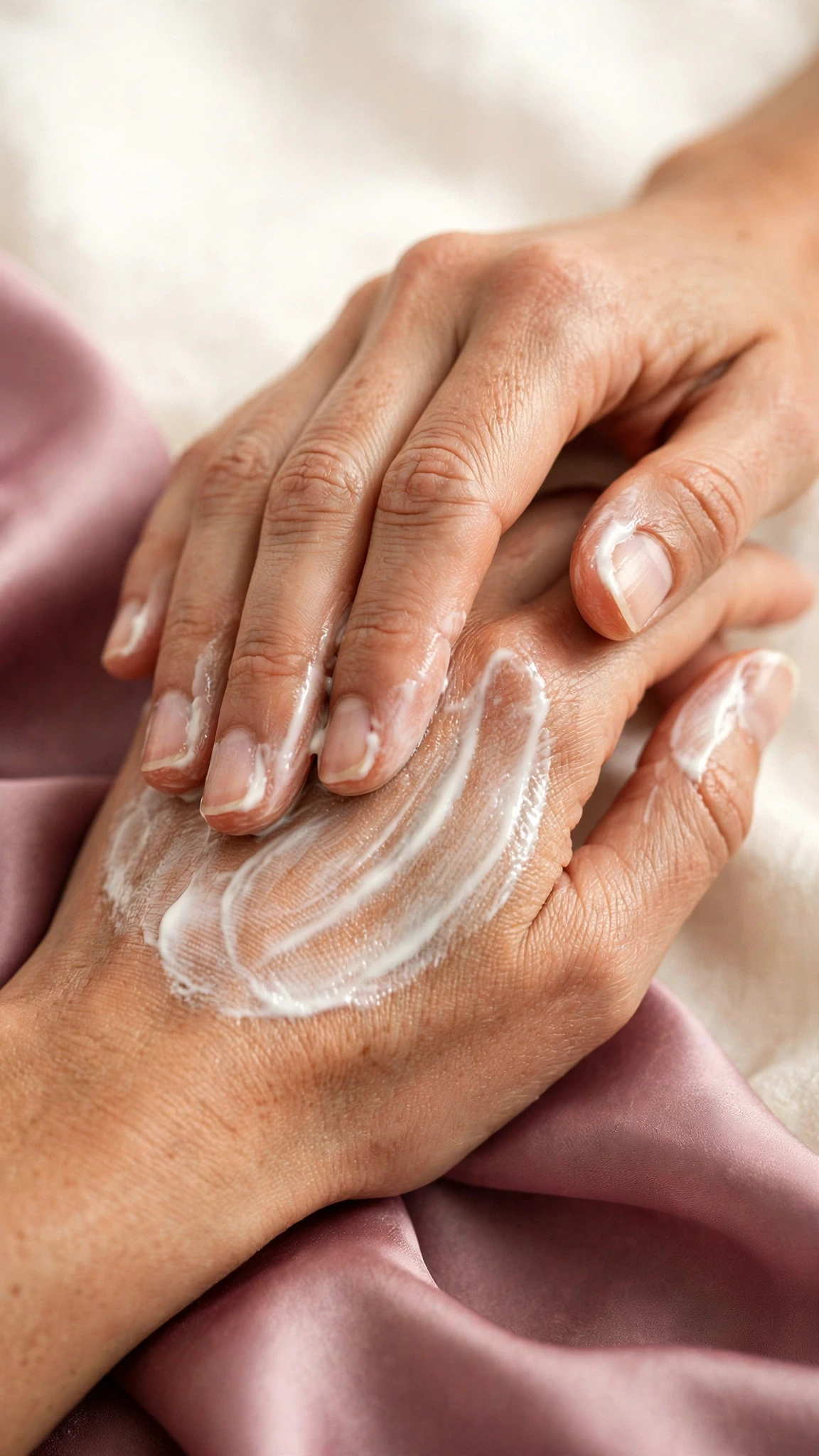
After washing your hands, dry them properly instead of letting nails stay damp, and follow with hand cream. The pattern is simple: water in, moisture locked in, nails protected.
Keep a small hand cream by the sink and another by your bed. Moisturized hands mean moisturized nails, and moisturized nails bend instead of snapping — a quiet but constant part of how to strengthen nails for the long term.
In winter, when indoor heat dries skin further, step up the cream to a thicker ointment-style moisturizer at night, with cotton gloves over it if your hands are very dry. This nightly seal is a quiet workhorse in how to strengthen nails through dry months.
Tip 10: Push Cuticles Back — Never Cut Them

Cuticles seal the nail matrix, where new nail is made. Cutting them opens the door to infection and damage at the very place your nail grows from. Instead, soften cuticles with warm water or oil, then gently push them back with a wooden orange stick.
Do this once a week at most, with a light touch. Healthy cuticles mean a healthy growth area, which means stronger nail coming through.
If a cuticle is torn or ragged, trim only the loose, dead skin tag with clean nippers — never cut into live cuticle. Then oil the area and leave it alone to heal.
Tip 11: Switch to a Gentler Remover
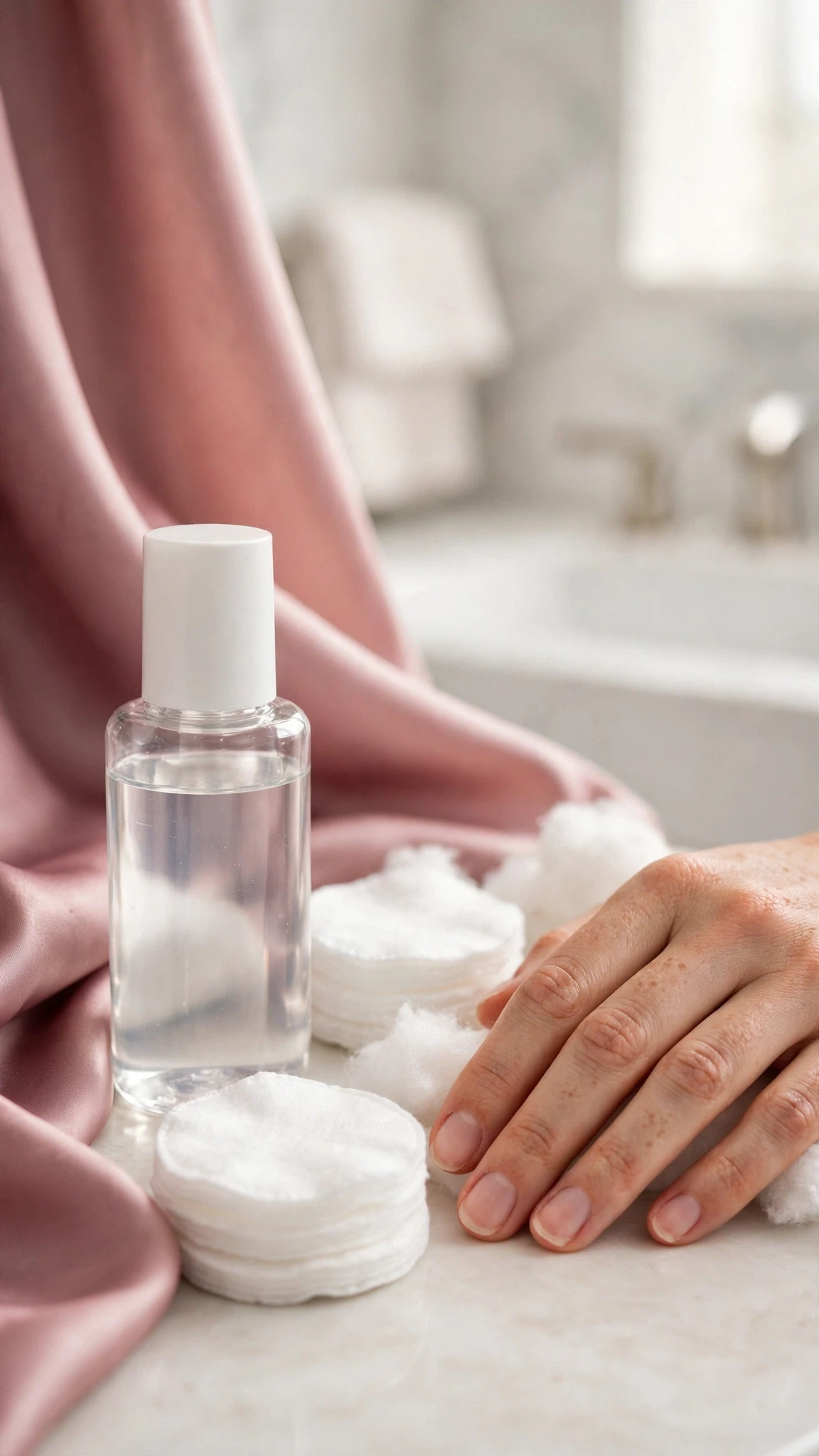
Pure acetone strips natural oils from the nail plate and leaves it dry and brittle. For regular polish, an acetone-free remover is gentler and perfectly effective — it just takes a few seconds longer.
For gel or acrylic removal, acetone is sometimes necessary, but always follow it with oil and moisturizer immediately, and never soak longer than needed. Pairing gentle removal with the rest of this routine is how to strengthen nails that survive polish changes intact.
When you do need acetone for gel removal, work in a ventilated room, keep it off surrounding skin as much as possible, and follow every removal with oil and cream. That aftercare is part of how to strengthen nails through the removal process.
Tip 12: Be Patient — Nails Grow Slowly
This is the hardest tip. Fingernails grow about 3 millimetres a month, so a fully new nail takes 4 to 6 months. You will see improvement in weeks — less splitting, smoother edges — but the complete transformation takes time.
Track progress with a photo once a month instead of judging daily. Stick with the routine, and the stronger nail growing in now will be the nail you show off in a few months. Patience is part of how to strengthen nails, not an afterthought.
Set a monthly reminder to photograph your nails in the same light. Comparing month one to month three is far more encouraging than staring at them daily — and it shows which tips are actually working for you.
Your Daily Nail-Strengthening Routine
Twelve tips can feel like a lot, so here is the whole routine boiled down to a day. In the morning, file any rough edge, apply one coat of strengthening base coat if the old one has chipped, and put on hand cream after washing your hands. Before wet chores, put on gloves. In the evening, massage cuticle oil into each nail and finish with hand cream.
That is the core of how to strengthen nails day to day: protect in the morning, moisturize at night, and keep the habits small enough to repeat. Once the routine is automatic, add the weekly steps — gentle cuticle care, a polish break when needed, and a length check every few days.
How the 12 Tips Work Together
No single tip carries the whole result. Filing prevents splits, oil and cream keep nails flexible, gloves and gentle remover cut daily damage, and breaks from enhancements let new nail grow in undisturbed. Together, they cover the three things weak nails need: less damage, more moisture, and time.
If you only have energy for three habits, pick daily oil, gentle filing, and gloves for wet work. Those three alone change how to strengthen nails from a wish list into a routine that actually holds — and you can layer the other nine in as the first three become automatic.
What to Avoid
A few habits undo all the good work above. Avoid these while your nails recover:
- Ripping, prying, or peeling off gel, acrylic, or polish.
- Over-buffing the nail surface until it looks thin and shiny.
- Biting nails or picking at hangnails and lifted edges.
- Soaking hands in water for long periods without gloves.
- Using nails to open cans, scratch labels, or pry things open.
- Skipping base coat and applying dark polish directly to bare nails.
If you catch yourself doing one of these, do not worry — just stop, smooth the nail with a file, add oil, and carry on. Recovery is not ruined by one slip. The whole point of learning how to strengthen nails is building a routine you can return to, not a streak you can never break.
When to See a Professional
Most weak nails improve with the routine above. But some signs are worth showing to a dermatologist or healthcare professional: persistent splitting that never improves, dark streaks or discoloration under the nail, swelling, pain, or redness around the nail, or nails separating from the nail bed.
These can occasionally point to an underlying condition, and general nail care cannot diagnose or treat that. A professional can check properly and advise on next steps. This guide covers everyday nail care — it is not medical advice, and it does not replace a professional opinion.
Final Thoughts
Strong nails are not built by one miracle product. They come from a routine: file gently, keep them short while they recover, oil daily, protect with a base coat, wear gloves, and give enhancements a break. Start with three habits today, add the rest over the next two weeks, and give it a month before judging.
Your nails are already growing stronger — one millimetre at a time. That is the real secret of how to strengthen nails: small habits, repeated daily, until the nail you grow is the nail you wanted.
Keep Reading
If you wear enhancements, learn how to remove acrylic nails at home without damage, and read our gel nails at home guide for safer application. For shape ideas once your nails recover, browse our nail shapes guide. For general nail care advice, see the American Academy of Dermatology nail care tips and the anatomy of the human nail.
Frequently Asked Questions
How long does it take to strengthen nails?
Most people notice a real difference within 4 to 6 weeks of consistent care, but a fully new, stronger nail takes longer. Fingernails grow about 3 millimetres a month on average, so replacing a damaged nail completely takes around 4 to 6 months. That is why learning how to strengthen nails is a routine, not a one-week fix — the habits matter more than any single product.
Does cuticle oil really help?
Yes. Cuticle oil keeps the nail plate and the skin around it flexible, which means nails bend instead of snapping. Dry nails are brittle nails. A daily drop of jojoba, sweet almond, or vitamin E oil, massaged into each nail, is one of the simplest and cheapest steps in any nail-strengthening routine.
Can I wear nail polish while I strengthen my nails?
Yes, as long as you use a strengthening base coat and give your nails regular polish-free breaks. Avoid peeling polish off, which strips layers of the nail plate. When you remove polish, use a gentle remover and re-moisturize right away. If your nails are badly peeling, take a full 2-week break first.
Is biotin good for nails?
Biotin-rich foods such as eggs, nuts, seeds, and leafy greens support general nail health as part of a balanced diet. Biotin supplements are widely sold for nails, but evidence is mixed, and high doses can interfere with some lab tests — so talk to a healthcare professional before starting a supplement rather than self-prescribing.
Why do my nails keep peeling?
Peeling usually comes from repeated wetting and drying, harsh acetone removers, over-buffing, or peeling off gel and acrylic enhancements. The top layers of the nail plate lift away, leaving thin, flaky nails. Gentle filing, daily oil, gloves for wet chores, and a break from enhancements usually stop the cycle within a few weeks — which is exactly how to strengthen nails that keep peeling.
Are gel or acrylic nails bad for natural nails?
They are not automatically bad, but the removal process is where most damage happens. Ripping, prying, or peeling enhancements off tears layers of the natural nail. If you wear enhancements, have them removed properly by soaking, keep breaks between sets, and follow the recovery tips in this guide.
Compare Before You Choose
See the Closest Alternatives
Compare nearby shapes, colors and finishes before picking a final reference.
Recommended Next



Pingback: How to Do Chrome Nails at Home (Flawless Finish)