A manicure is one of the simplest ways to make your hands look cared for, but walk into any salon and the menu can feel overwhelming: classic, French, gel, acrylic, dip powder, builder gel, Gel-X, spa, Japanese, Russian — and that is before anyone mentions shellac or BIAB. With so many different types of manicures on offer, choosing the wrong one usually means a finish that chips in two days or a removal that leaves your nails thinner than before.
This guide walks through the main types of manicures in plain language: what each one is, who it suits, how long it usually lasts, what upkeep it needs, and where it can go wrong. By the end you will know which option fits your nails, your lifestyle, and your budget — and which ones are better left to a professional. If you already love gel, our guide on how to do gel nails at home covers the basics of prep and curing that most of the gel-based types of manicures below rely on.
One thing all the types of manicures in this guide share is that the result depends far more on preparation and aftercare than on the product itself.
What Is a Manicure?
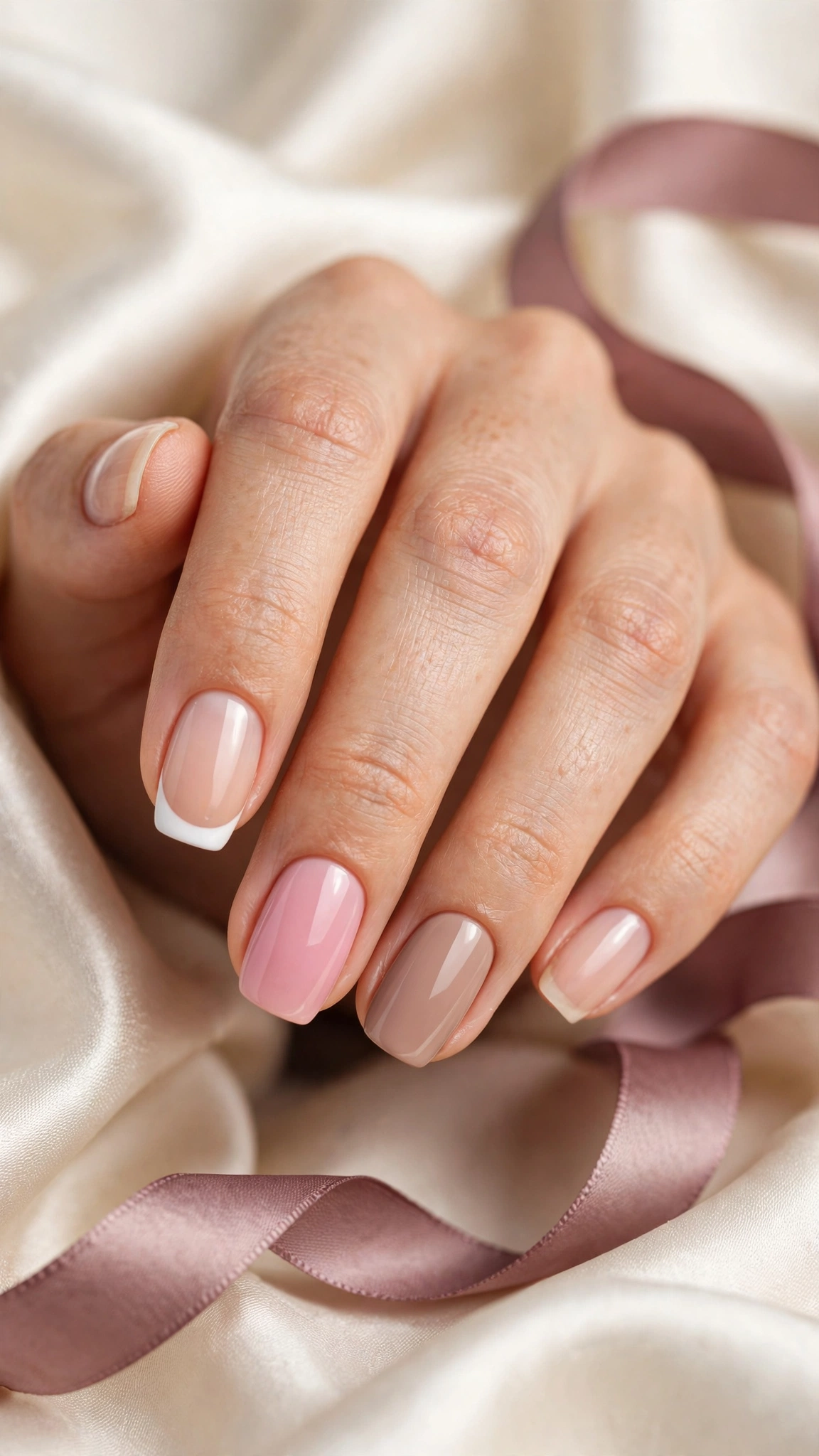
A manicure is a treatment for the hands and nails that usually includes shaping the nails, tidying the cuticles, caring for the skin around the nails, and finishing with polish or a nail enhancement. The word covers everything from a quick file-and-polish to a full set of sculpted extensions, which is why the menu can look so confusing: the same word describes both the basic treatment and the many different types of manicures built on top of it. The history of the manicure goes back thousands of years, and the history of the manicure on Wikipedia traces how a simple grooming ritual grew into the many modern systems salons offer today.
The practical difference between the types of manicures comes down to three questions: what is painted or built onto the nail, how it hardens, and how it is removed. Regular polish dries in the air and comes off with ordinary remover. Gel systems harden under a UV or LED lamp and need soaking off. Acrylic hardens by a chemical reaction as a powder and liquid are mixed, and dip powder hardens with an activator.
The Main Types of Manicures
1. Classic Manicure
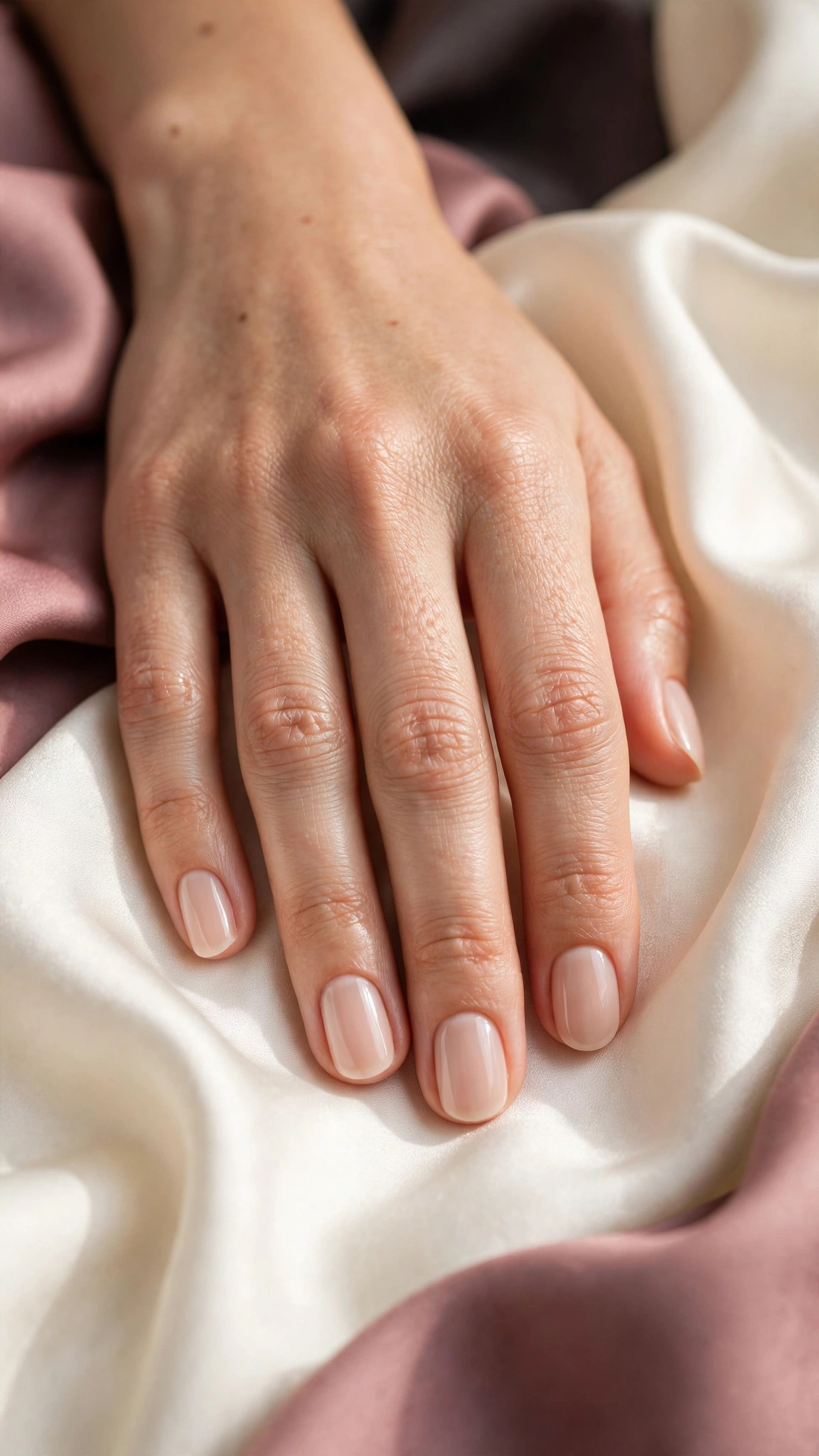
The classic manicure is the original, and still the gentlest, of all the types of manicures. Nails are soaked, filed into shape, cuticles are tidied, hands are moisturised, and regular nail polish is applied in two coats with a top coat.
A classic manicure suits almost everyone, especially if you like changing your polish colour often, have healthy natural nails, or want a low-commitment treatment between longer-wearing sets. Its main drawback is wear time: regular polish usually lasts around a week on fingernails, and less if your hands spend a lot of time in water.
Tip: Book a classic manicure when you want a quick, natural refresh — it is the best way to test a salon before committing to a longer-wearing system.
2. French Manicure
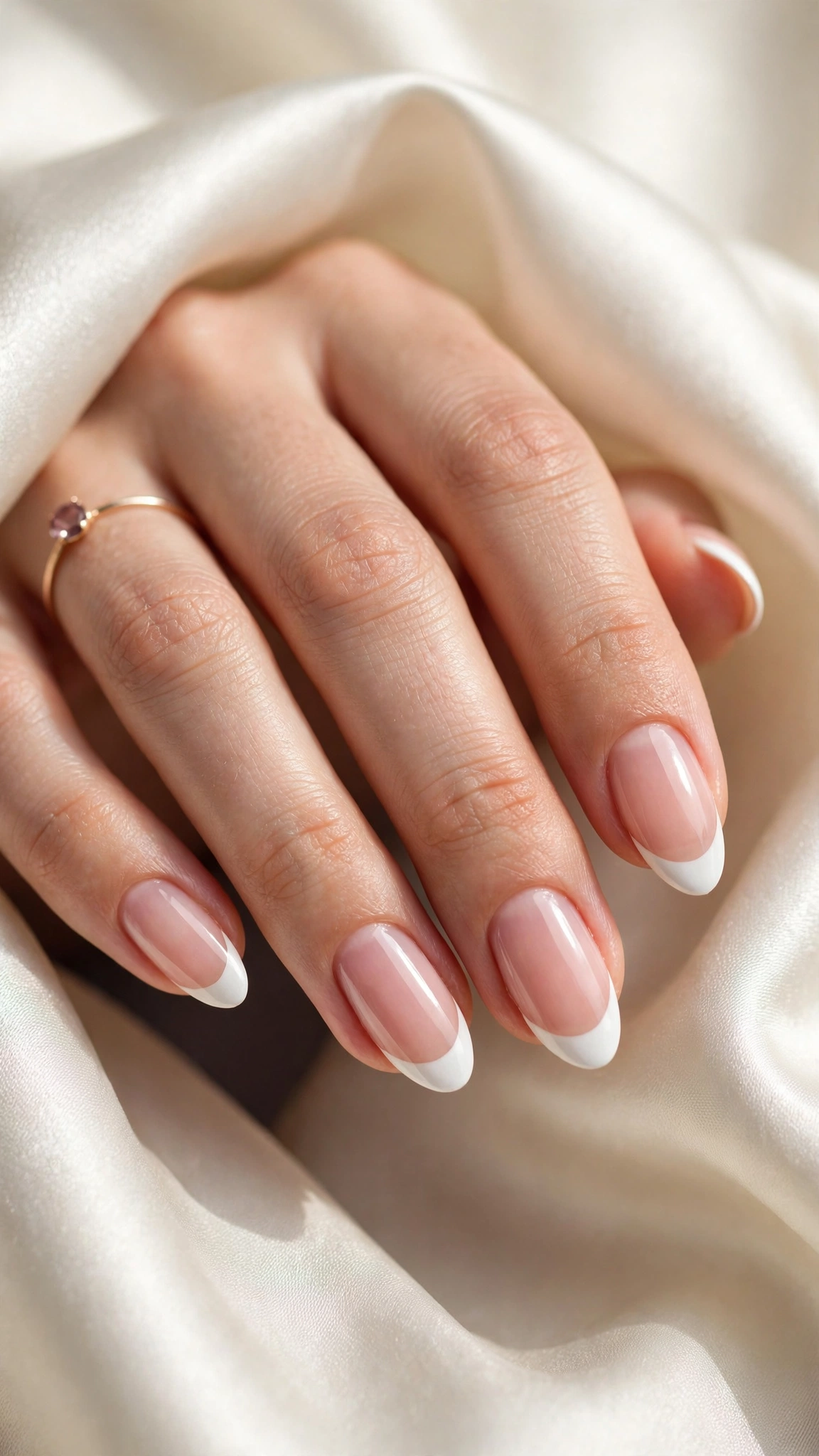
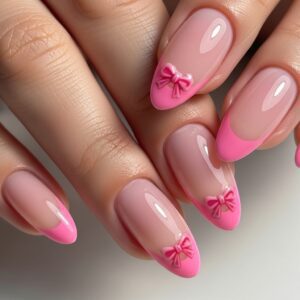
The French manicure is a classic manicure with a signature finish: a sheer pink or nude base and a crisp white tip. It is one of the most recognisable types of manicures in the world, and it has stayed popular because it goes with everything — office wear, wedding outfits, and everyday clothes alike.
A French manicure suits anyone who wants a clean, polished look without a bold colour, and it is a favourite for weddings and formal events. With gel polish the finish usually lasts two to three weeks, while a regular-polish French lasts around a week.
Tip: Ask for a soft, sheer base rather than a stark pink — it grows out far less noticeably.
3. Gel Manicure
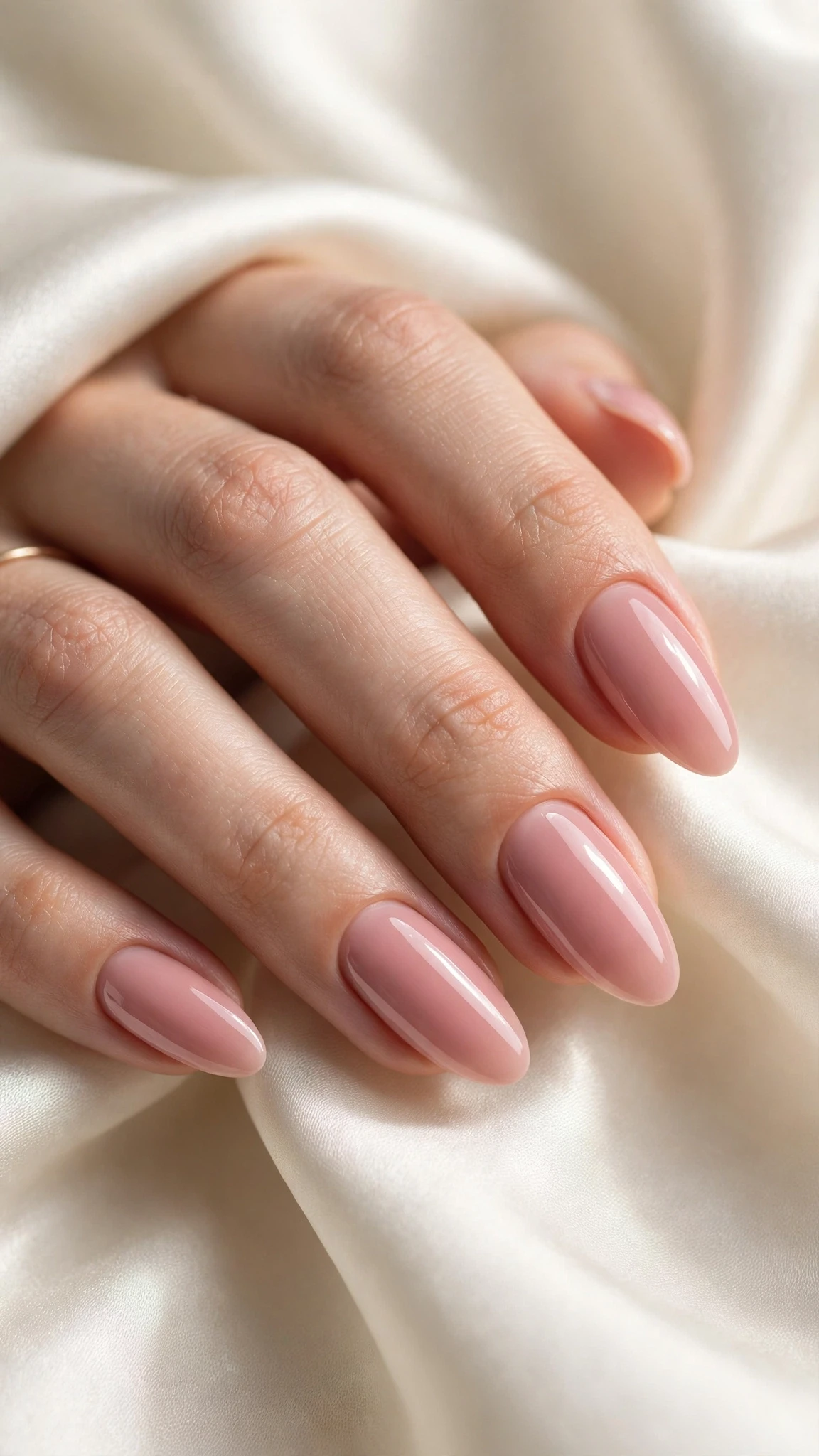
A gel manicure uses gel polish that is cured under a UV or LED lamp, layer by layer, until it sets into a hard, glossy finish. It is one of the most popular types of manicures because it looks freshly painted for two to three weeks, resists chips far better than regular polish, and dries the moment it leaves the lamp — no waiting around hoping you do not smudge a nail.
Gel suits people who want a low-maintenance, long-wearing colour on their natural nails and do not want extra length. Shellac is a well-known brand name that many people use as shorthand for this kind of manicure — a shellac manicure is a gel polish manicure made with that brand’s system, cured and removed in the same soak-off way.
Tip: Keep gel off the skin and cuticles during application — gel cured on skin is the most common cause of early lifting.
4. Acrylic Manicure
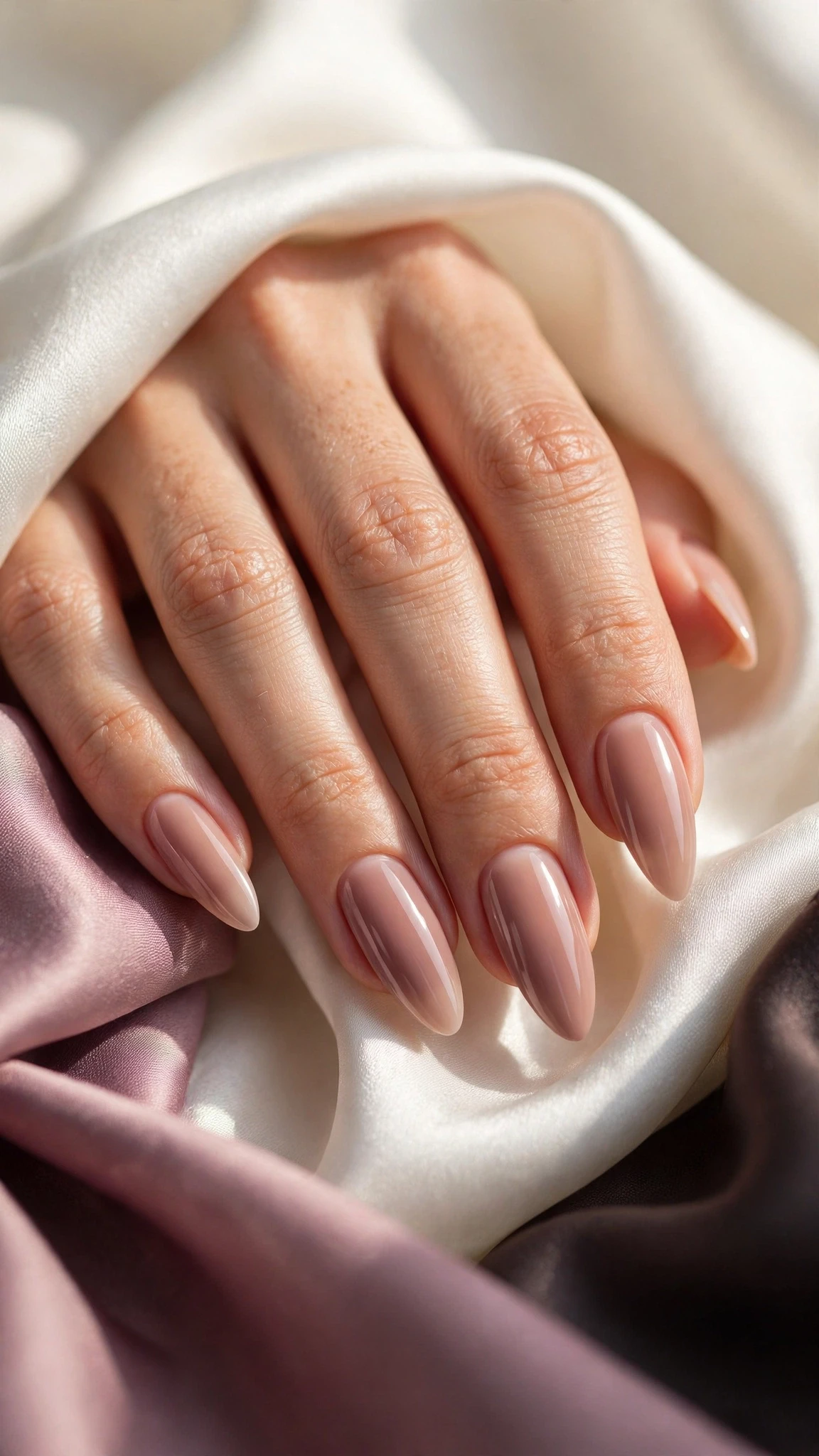
An acrylic manicure builds length and strength by combining a liquid monomer with a powder polymer, which hardens in the air into a tough extension over the natural nail or a tip. It is the oldest enhancement system on the salon menu and still the strongest choice for very long or dramatically shaped nails.
Acrylic suits anyone who wants serious length, a sculpted shape, or nails that can stand up to hard daily wear. Of all the types of manicures, acrylic is the one where professional application makes the biggest difference to the result.
Tip: If you try acrylic for the first time, start with a medium length — very long nails take a few days to get used to.
5. Dip Powder Manicure
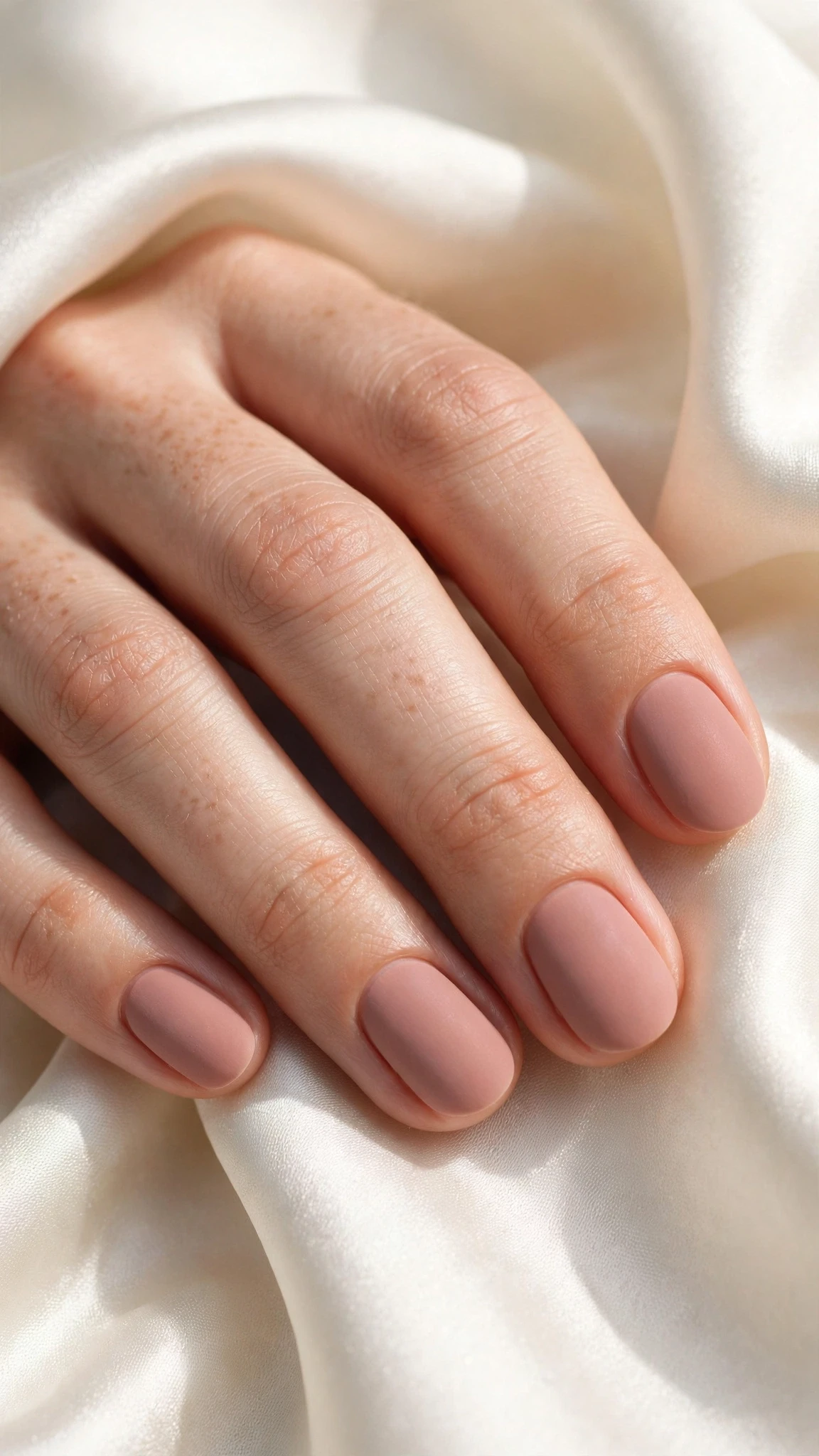
A dip powder manicure — sometimes called an SNS manicure — is made by painting a base coat on the nail and dipping it into a finely milled coloured powder, then sealing it with an activator. The layers are repeated until the colour is opaque, and the result is a hard, smooth finish that needs no lamp at all.
Dip powder suits people who want a long-wearing manicure without UV light, or who find gel polish lifts on them. It usually lasts three to four weeks, and the finish is strong enough to add a little length over a tip. Removal is a soak-off job like gel, and the thick layers take patience — never pick or peel a dip manicure off.
Tip: Ask the salon to pour the powder over your nails rather than dipping straight into a shared jar.
6. Builder Gel Manicure
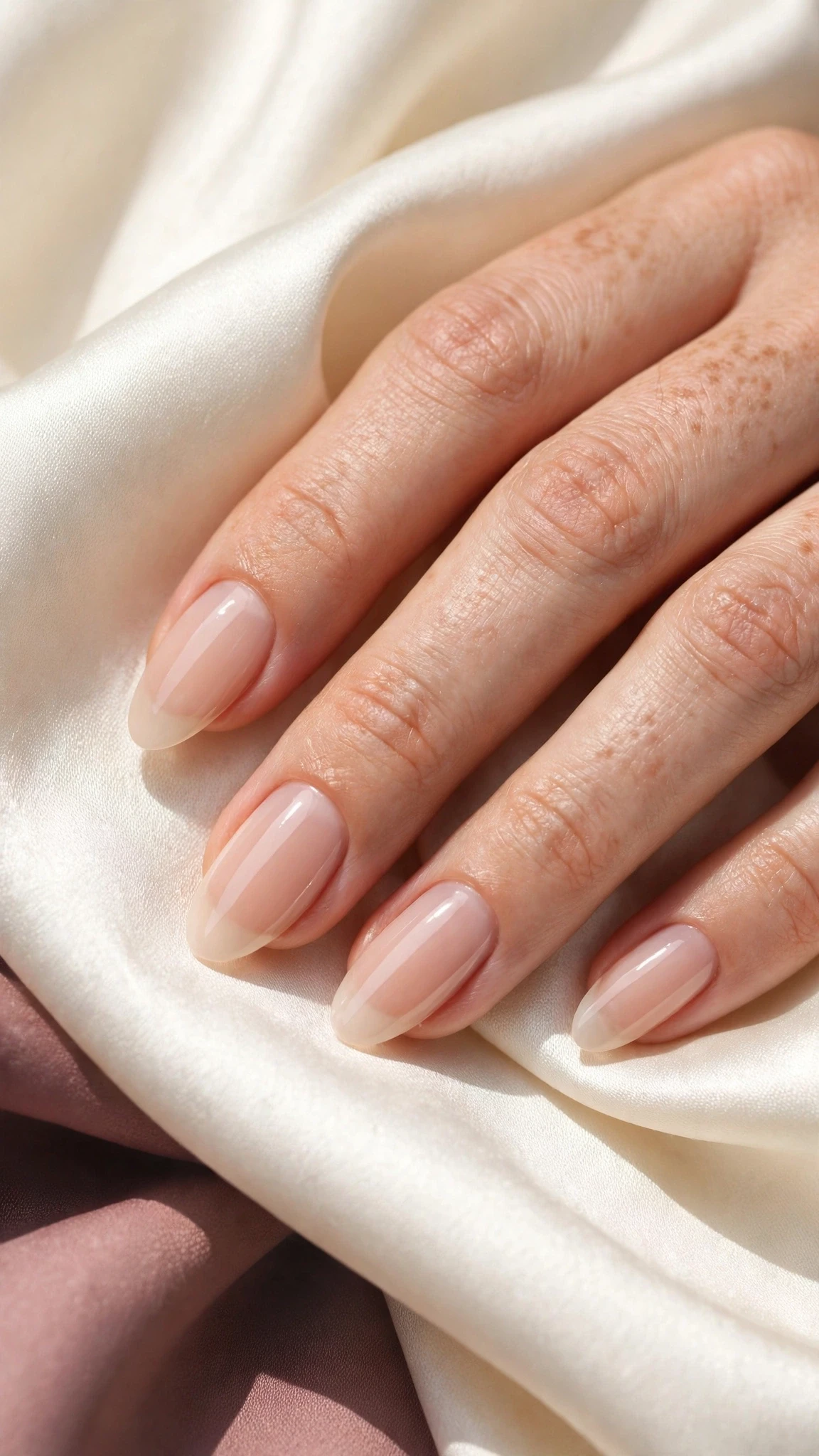
A builder gel manicure uses a thicker gel to add strength, shape, and a gentle curved apex to the natural nail. Unlike ordinary gel polish, which is a thin colour coat, builder gel is a structure coat: it is sculpted onto the nail, cured under a lamp, and can support a short extension over a tip or form.
Builder gel suits anyone whose natural nails bend, peel, or snap just as they reach a nice length. BIAB — short for Builder In A Bottle — is simply a popular brand name for this kind of product, so a BIAB manicure is a builder gel manicure in a bottle format. If you want the full step-by-step, our builder gel nails guide explains hard versus soft builder gel, the ten-step application, and safe removal.
Tip: Start with a builder gel overlay on your own length — strength comes from the apex, not from extra length.
7. Gel-X Manicure
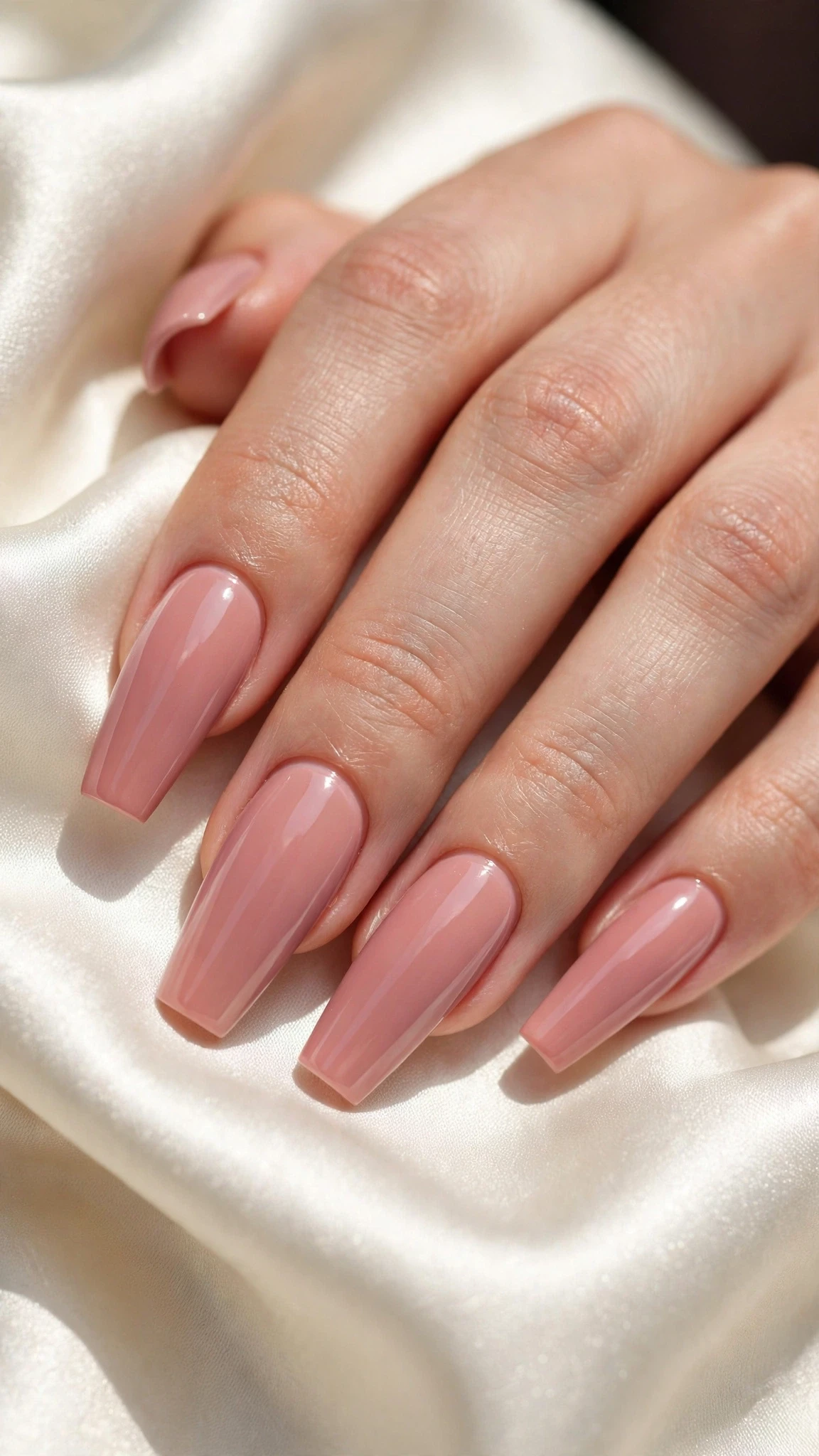
A Gel-X manicure uses a full-cover soft gel tip that is glued onto the natural nail with gel and cured under a lamp. It is one of the newer types of manicures, and it has grown quickly because it gives instant, even length without the smell or the filing that acrylic needs.
Gel-X suits people who want long nails for an event or a holiday, or who want the look of extensions without committing to acrylic. A set usually lasts three to four weeks, and the tips come in many shapes and lengths, so the result looks consistent from nail to nail. The main limitation is that the tip only comes in set sizes, so the fit depends on the technician matching each tip to the natural nail — and because the whole nail is an extension, it needs a careful soak-off rather than being pulled away.
Tip: Choose Gel-X when you want instant length for a special occasion — it is faster to apply than sculpted acrylic.
8. Spa Manicure
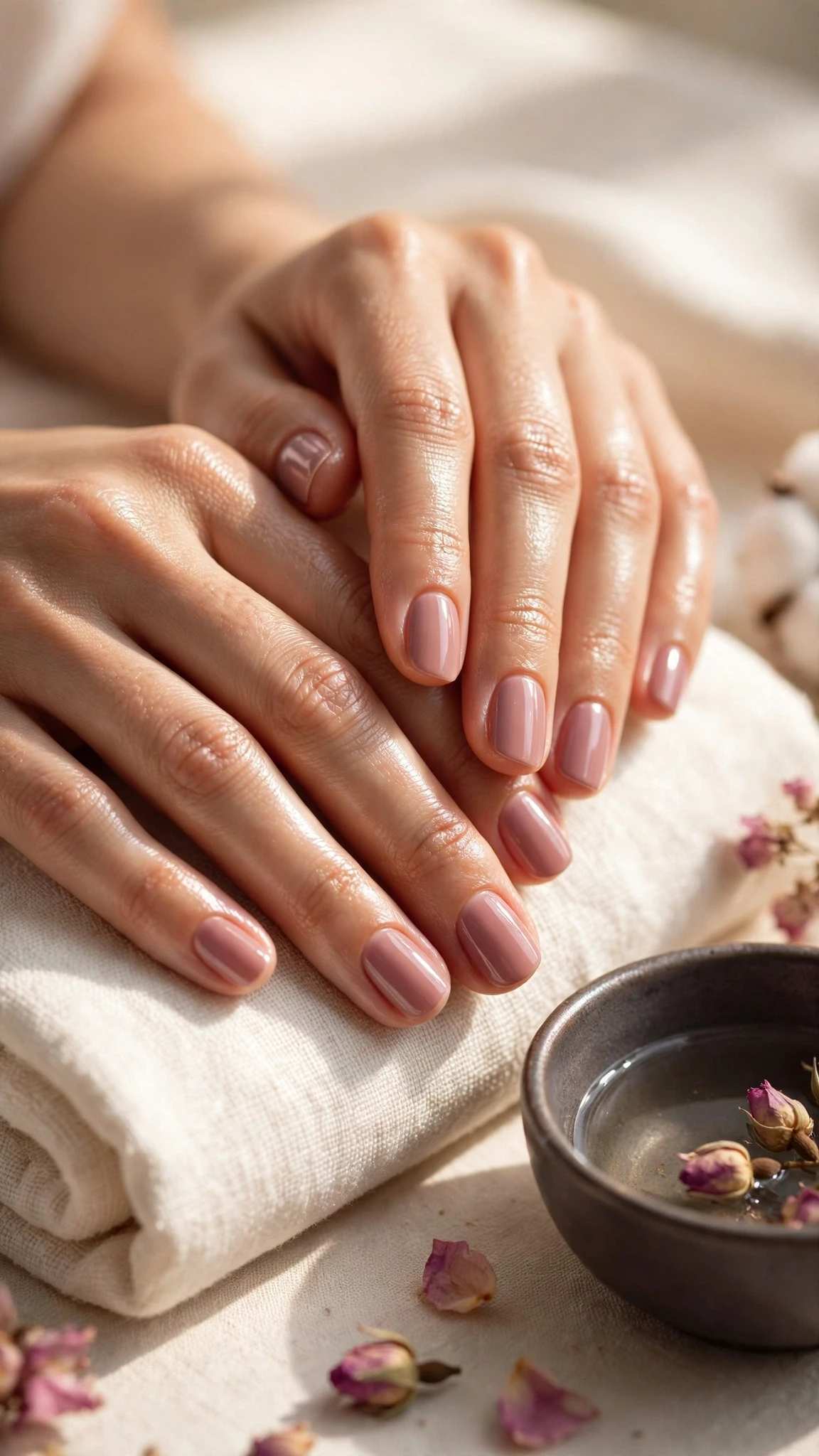
A spa manicure is a classic manicure with a longer pampering ritual built around it: a warm soak, an exfoliating scrub, a hand massage, and a deep moisturising treatment before the polish goes on. It is less about a different finish and more about the care around it, which is why it is the most relaxing of all the types of manicures. Many spas add a paraffin wax treatment, where hands are dipped in warm paraffin wax to soften dry skin and ease stiffness — paraffin is an optional extra inside the spa manicure, not a separate manicure of its own.
A spa manicure suits anyone with dry hands, rough cuticles, or nails that need a break from enhancements. Wear time is the same as the polish used on top, so a spa manicure with regular polish lasts around a week, while a spa manicure finished with gel lasts two to three weeks. If your skin is broken, irritated, or infected, skip the soak and the scrub and ask for a plain classic manicure instead.
Tip: Ask for the paraffin step if your hands are very dry in winter — it leaves skin noticeably softer for days.
9. Japanese Manicure
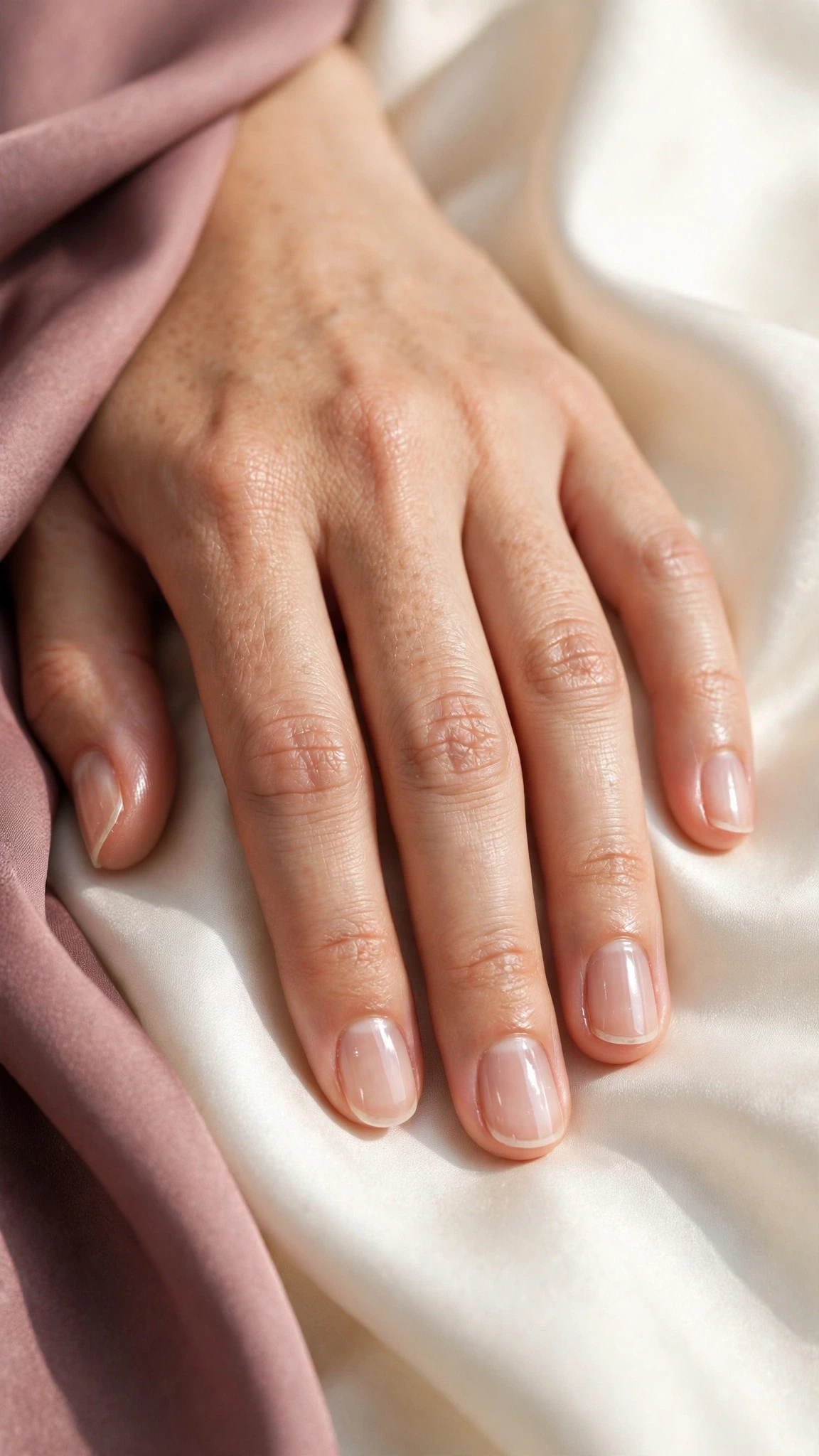
A Japanese manicure is a treatment that focuses on the health and shine of the natural nail rather than on colour. A nourishing paste — traditionally made with beeswax and other natural ingredients — is buffed into the nail plate, layer by layer, until the nail develops a deep, glossy shine without any polish at all.
A Japanese manicure suits people who cannot or do not want to wear polish, who are giving their nails a break from gel or acrylic, or who simply love the look of healthy, glossy bare nails. It is one of the gentlest types of manicures, because nothing is glued, cured, or soaked off, and the treatment itself conditions the nail plate.
Tip: Try a Japanese manicure as a recovery treatment after removing gel or acrylic — it is shine without any product to remove.
10. Russian Manicure
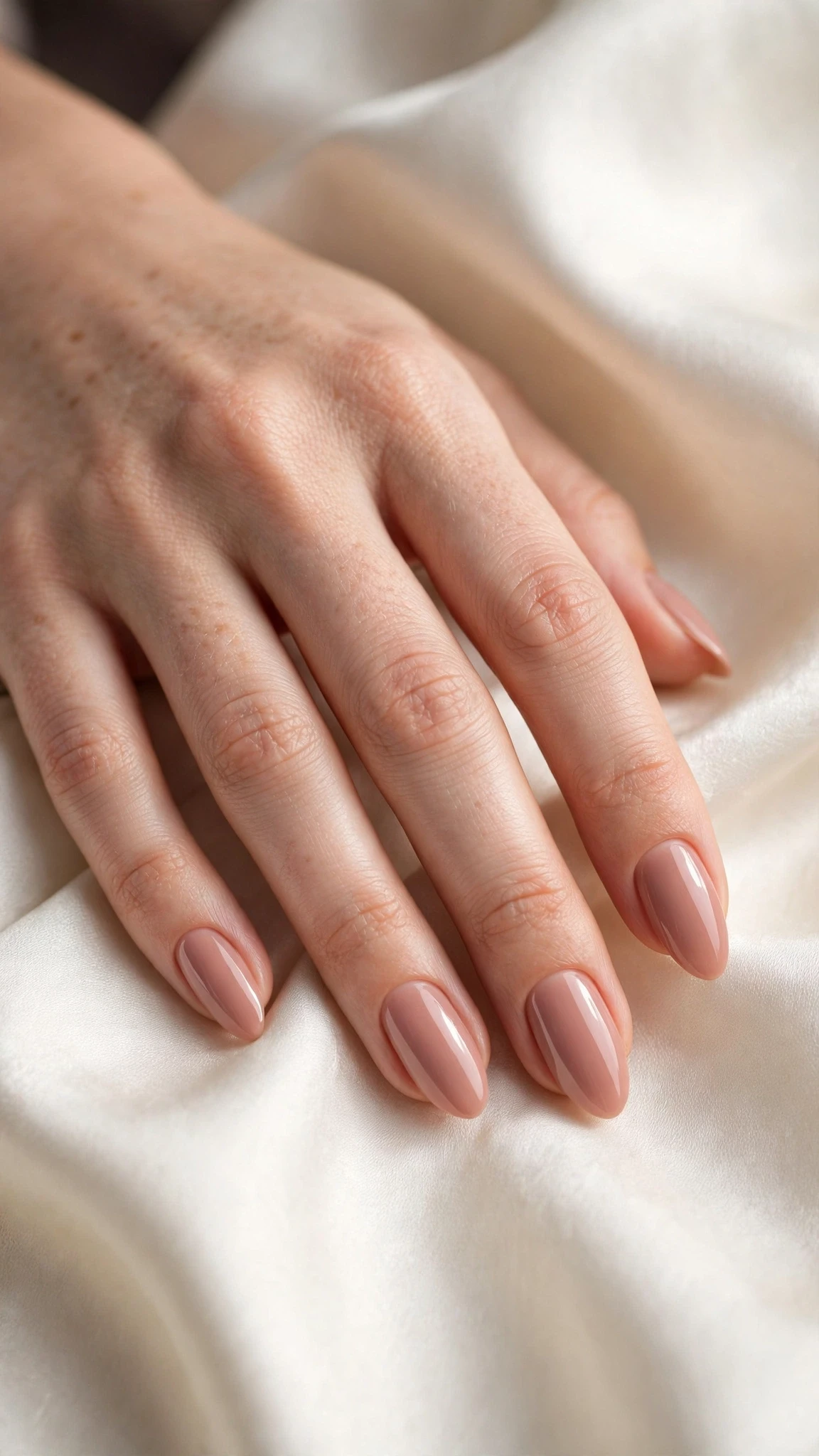
A Russian manicure — also called a dry or e-file manicure — is a technique rather than a finish: the cuticles are cleaned and lifted with an electric file instead of soaking, and the nail plate is prepared with very precise, dry cuticle work before polish or gel is applied.
A Russian manicure suits people who want the neatest possible finish and a gel manicure that looks fresh for longer, since the precise cuticle work can stretch the time before regrowth shows. It also carries the highest skill requirement of any of the types of manicures in this guide: an electric file in untrained hands can thin the nail plate or nick the skin around it. For that reason, a Russian manicure is best left to a technician specifically trained in the technique.
Tip: Only book a Russian manicure with a technician trained in e-file work — the tool, not the polish, is what makes this one risky.
Types of Manicures at a Glance
Choosing between the types of manicures gets easier when you compare wear time and best use side by side. A French manicure in regular polish lasts around a week, or two to three weeks in gel, and is best for a clean, formal look. A gel manicure lasts two to three weeks and is best for low-maintenance colour on natural nails, while a spa manicure matches whichever polish finishes it and is best when your hands need care as much as your nails.
For length and structure, the longer-wearing types of manicures take over: acrylic, dip powder, builder gel, and Gel-X all usually last three to four weeks, with acrylic best for very long sculpted shapes, dip powder best for strong colour without a lamp, builder gel best for strengthening weak natural nails, and Gel-X best for instant, even length.
How to Choose the Right Manicure
Start with your natural nails. If they are healthy and a good length, any of the types of manicures will work, so pick by finish and wear time. If your nails are damaged, lifting, or sore, give every enhancement a rest until they recover, and see a dermatologist if a nail problem keeps coming back or looks infected.
Then think about your lifestyle. Hands that spend all day in water, cleaning, or typing will chip regular polish fast, so a gel, dip, or builder gel manicure earns its keep. If you want long nails for a wedding or a holiday, Gel-X or acrylic gives you instant length, while builder gel grows out with your own nails underneath.
Budget is the third filter, and it is about upkeep as much as the first appointment. Longer-wearing types of manicures cost more per visit but need fewer visits, while a classic manicure costs less each time but needs redoing every week. The cheapest manicure is rarely the best value if it lifts in three days because the prep was rushed.
How to Care for Your Manicure
Aftercare is what separates a manicure that lasts from one that lifts, and the advice is the same across most of the types of manicures. According to the American Academy of Dermatology, keeping nails moisturised, avoiding harsh chemicals, and not using your nails as tools all help your nails stay healthy — and healthy nails hold a manicure far better than dry, brittle ones.
Wear gloves for washing up and cleaning, because hot water and detergents are the fastest way to lift gel, dip, and acrylic at the edges. Avoid picking at a lifted edge, even when it is tempting — peeling any enhancement pulls up layers of the natural nail and leaves it thin and sore.
Give your nails a break between long-wearing sets when you can. If your nails look discoloured, keep splitting, or hurt after a manicure, stop applying enhancements and see a dermatologist rather than covering the problem with another set.
How to Remove a Manicure Safely
Safe removal is part of choosing well, because the wrong removal can undo months of healthy nail growth in a single afternoon. Most of the longer-wearing types of manicures — gel, dip powder, builder gel, and Gel-X — are removed by soaking in acetone after the top layer is filed down, while regular polish comes off with ordinary remover and acrylic needs a longer soak after filing.
Never peel, pick, or force an enhancement off. Peeling takes layers of the natural nail with it, which is why nails feel thin, bendy, and sore after a peeled-off set. If the product resists after soaking, wrap it again and give it another five to ten minutes rather than scraping at it. Our guide on how to remove gel nails at home walks through the soak-off method step by step, and the same gentle approach applies to dip, builder gel, and Gel-X.
Once the product is off, wash your hands, push the cuticles back gently, and apply cuticle oil generously.
Troubleshooting Common Problems
Chipping within the first few days usually means the nails were not fully clean and dry before the product went on, or the free edge was not sealed. Oils, dust, and leftover cuticle skin all stop gel and dip from bonding, and an unsealed free edge lets water in from the tip.
Lifting at the cuticle or the sides is almost always a sign that product touched the skin during application. Gel, dip, and acrylic that cure on skin never bond properly, and the edge lifts as the nail grows.
Bubbles, dents, or a lumpy finish usually come from layers that were too thick or cured too quickly. If a set smells strongly, feels hot during curing, or leaves the skin red and irritated, remove it and let the skin recover — and if irritation keeps coming back, see a dermatologist before wearing that system again.
Final Thoughts
There is no single best manicure — only the best one for your nails right now. A classic or Japanese manicure is perfect when your nails are healthy and you want them to look cared for without fuss, while gel, builder gel, dip, Gel-X, and acrylic each solve a different problem, from chipping to breakage to length. Learn what each of the types of manicures does, match it to your nails and your week, and the salon menu stops being confusing and starts being a set of real choices.
Which of these types of manicures will you try next — a simple classic, a long-wearing gel, or a strengthening builder gel set? Pick one, look after it with daily cuticle oil, and enjoy nails that actually last until your next appointment.
More Nail Ideas
See also: How to Do Gel Nails at Home: Easy Step-by-Step Guide
See also: How to Remove Gel Nails at Home (Without Damage)
See also: Builder Gel vs Gel-X: Which Is Better for You?
Frequently Asked Questions
What are the main types of manicures?
The main types of manicures are classic, French, gel, acrylic, dip powder, builder gel, Gel-X, spa, Japanese, and Russian. A classic manicure uses regular polish, gel and dip powder are cured or sealed for longer wear, and acrylic, builder gel, and Gel-X add length or strength.
Which type of manicure lasts the longest?
Acrylic, dip powder, builder gel, and Gel-X usually last the longest, at around three to four weeks with good prep and aftercare. Gel polish lasts two to three weeks, while a classic manicure with regular polish lasts around a week.
What is the difference between a gel manicure and a regular manicure?
A regular manicure uses ordinary nail polish that dries in the air and lasts around a week. A gel manicure uses gel polish cured under a UV or LED lamp, which sets hard straight away and usually lasts two to three weeks, but needs soaking off with acetone.
Which manicure is best for weak nails?
Builder gel is usually the best choice for weak, bendy, or peeling nails, because it adds a supportive apex that helps the natural nail grow underneath. Dip powder is another strong option, while plain gel polish adds colour but little structure.
What is a Russian manicure?
A Russian manicure is a dry, e-file technique in which the cuticles are cleaned and lifted with an electric file instead of soaking, giving an exceptionally neat finish around the cuticle. It needs a technician specifically trained in e-file work, and it is usually finished with gel polish.
How do you remove a gel manicure safely?
File the top coat down gently, then soak cotton pads in acetone, wrap each fingertip in foil for fifteen to twenty minutes, and lift the softened gel away with a wooden stick. Never peel gel off, because peeling pulls up layers of the natural nail.
Compare Before You Choose
See the Closest Alternatives
Compare nearby shapes, colors and finishes before picking a final reference.
Recommended Next